There's a good chance your conservatory has become the room nobody uses - a greenhouse from June to August, an ice box from November to March, and a drum kit whenever it rains hard. It's one of the most common home-improvement gripes we hear in Bristol, and the culprit is almost always the roof. The good news is that replacing a tired conservatory roof is a well-trodden job that can turn a wasted space back into a genuinely usable room. This guide covers the options - solid, tiled, glass - what each does, what they cost in Bristol, and the building rules you need to know before you start.
Why So Many Bristol Conservatories Are Unusable
Bristol, like the rest of the country, had a conservatory boom through the 1990s and 2000s. A huge number of homes across the city got a conservatory bolted onto the back, and most of them were roofed in polycarbonate - those familiar twin-wall or multi-wall plastic sheets - or thin glass. At the time it was cheap and quick. The problem is that neither offers any meaningful insulation.
The result is a room at the mercy of the weather. On a hot Bristol summer's day the polycarbonate lets the sun pour straight in and the place becomes a greenhouse. Come winter, that same roof lets all your heat straight back out, so it's freezing and costs a fortune to warm. Heavy rain turns it into a drum kit. And after twenty-odd years the polycarbonate tends to yellow, grow algae in the channels, and start leaking at the seals.
So you end up with a room that cost a fair bit to build and now gets used for about six weeks a year. Replacing the roof is what fixes it, and it's far cheaper than knocking the whole thing down and starting again.
Most Bristol conservatories from the 90s and 2000s have polycarbonate roofs with no insulation - baking in summer, freezing in winter, and noisy in the rain. The roof is the fix.
Your Three Options
When it comes to replacing a conservatory roof, there are really three routes, and they suit different priorities and budgets:
- A solid, tiled (warm) roof. The most popular upgrade by a distance. The glass or polycarbonate is replaced with an insulated, tiled roof, effectively turning the conservatory into a proper extension you can use all year. Warmest, quietest, and the biggest transformation.
- A replacement glass roof. Keeps the light and the airy feel, but uses modern high-performance glass - solar-control coatings to cut summer heat, and much better insulation than old glass or polycarbonate. A good middle ground if you don't want to lose the brightness.
- A new polycarbonate roof. The cheapest, a like-for-like replacement of the plastic sheets. It'll stop the leaks and look tidier, but it won't fix the temperature and noise problems, so it's a false economy for most people unless budget is very tight.
For most Bristol homeowners fed up with an unusable conservatory, it comes down to solid roof versus glass roof - and the deciding factor is usually how much you value light versus warmth and quiet.
The three routes are a solid tiled roof, a modern glass roof, or a like-for-like polycarbonate replacement - the choice usually comes down to light versus warmth and quiet.
The Solid Tiled Roof: The Popular Upgrade
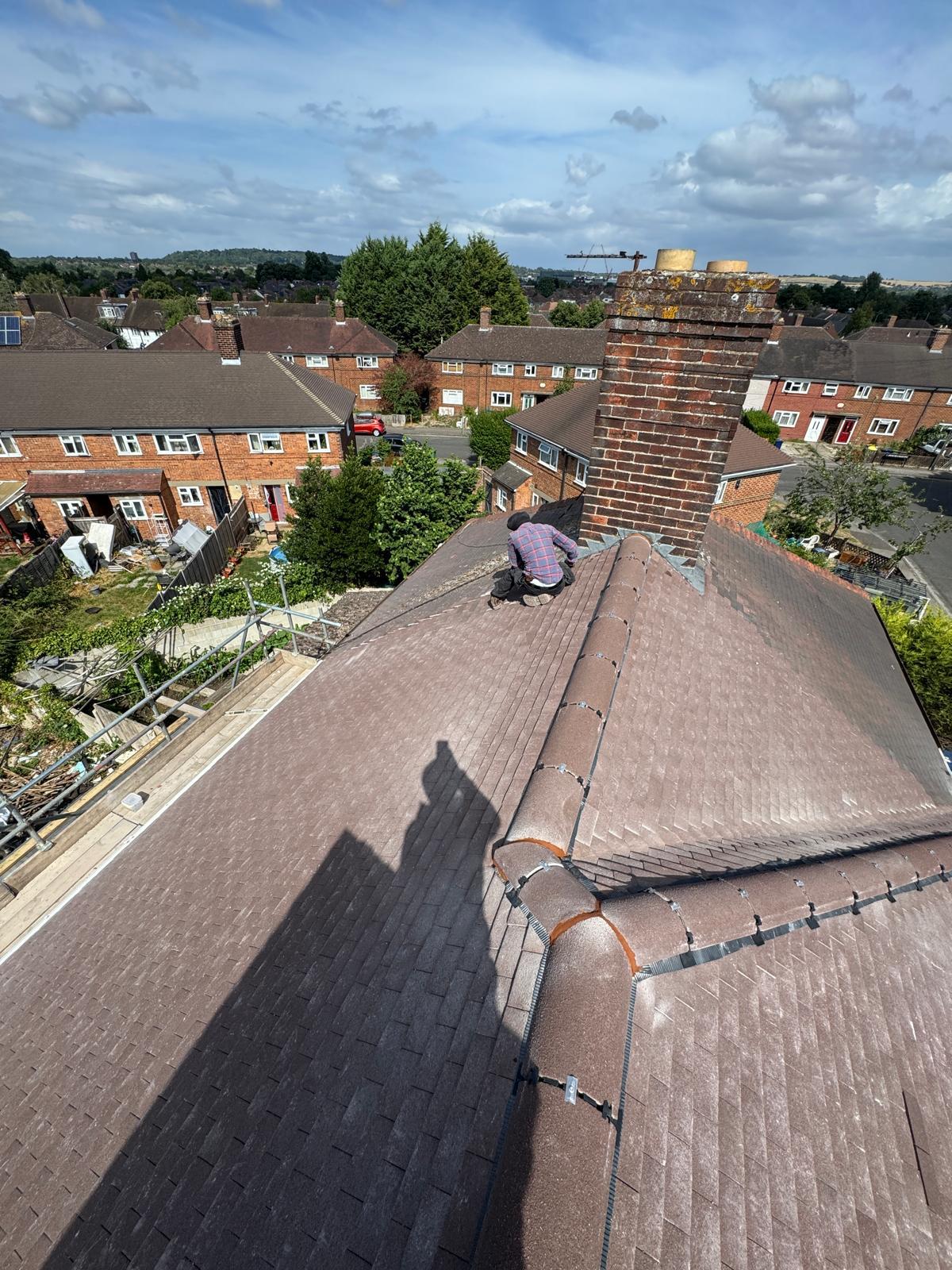
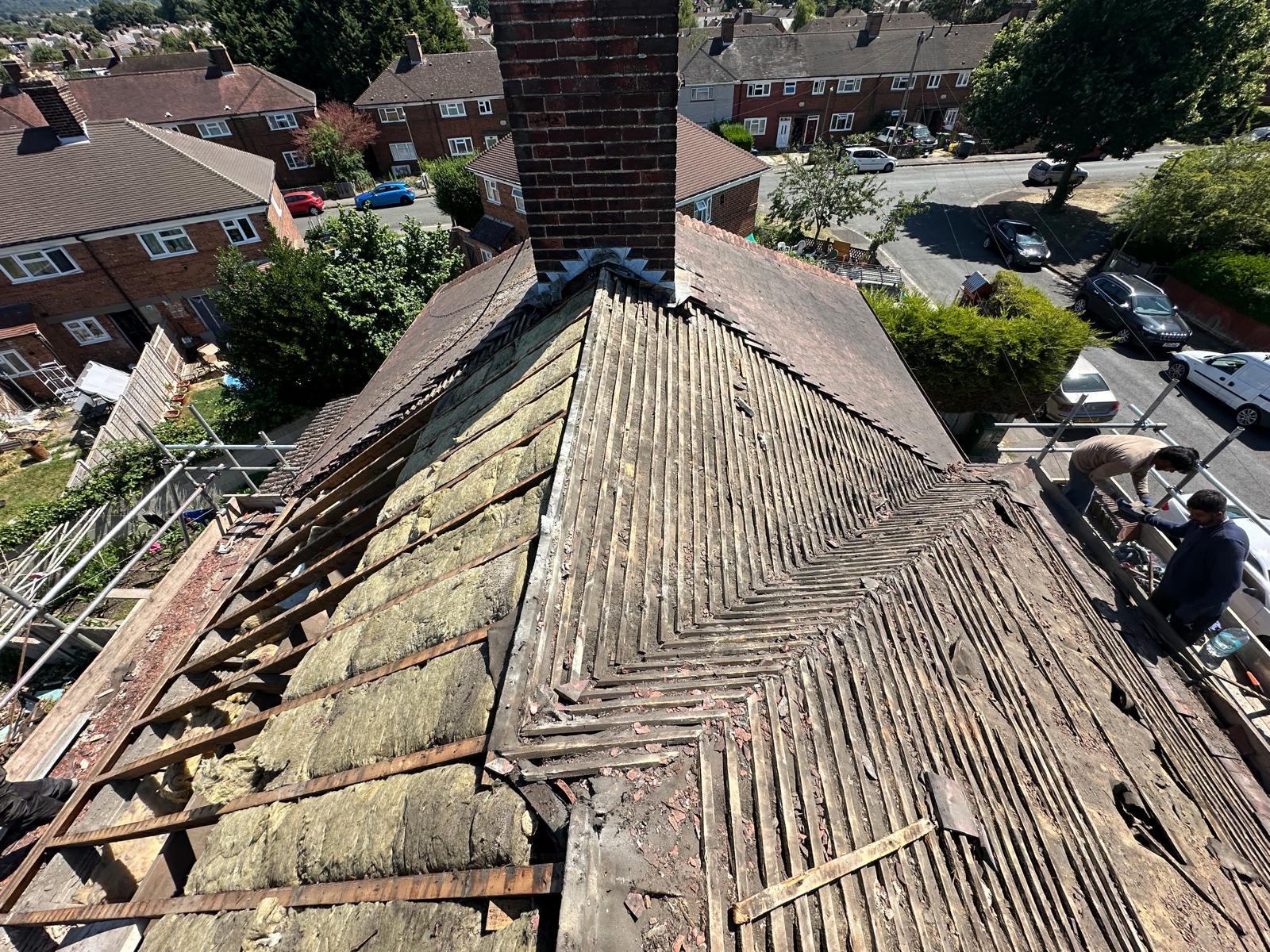
By a good margin, the solid tiled roof is what most people choose, because it's the one that genuinely transforms the space. Off comes the old lightweight roof, on goes a new insulated roof structure, finished with lightweight roof tiles outside and a plastered, insulated ceiling inside.
The difference is dramatic. A conservatory that was uninhabitable half the year becomes a room that holds a steady temperature - cool in summer, warm in winter - and is quiet in the rain. In practical terms it stops being a "conservatory" and becomes an extension. Many people plaster the inside, add downlights, and use it as a proper dining room, snug or home office. You can also have rooflights or a Velux window built into the solid roof to keep some of the natural light - a nice compromise that our guide to skylight and roof window installation in Bristol covers.
Because the room now holds heat, it also becomes cheaper to run, which ties into the wider point about keeping a home warm efficiently - see our guide to roof insulation and cutting heating bills in Bristol. The one thing to be aware of is weight, which we come to under building rules.
A solid tiled roof - insulated structure, tiles outside, plastered ceiling inside - turns a seasonal conservatory into a proper year-round extension.
The Glass Roof: Keeping the Light
Not everyone wants to lose the brightness that made them build a conservatory in the first place, and that's where a modern glass roof comes in. It's a world away from the old single-glazed or thin glass roofs.
Today's conservatory glass uses solar-control coatings that reflect a large part of the sun's heat before it gets in, along with self-cleaning outer surfaces and much better thermal insulation. The effect is a roof that keeps the room light and airy but nothing like as hot in summer or as cold in winter as the old glass. It won't match the warmth and quiet of a solid roof, but it keeps that garden-room feel, which for some people is the whole point.
It sits between the tiled roof and polycarbonate on both cost and performance, and it's a genuinely good option for a conservatory you mainly use in the daytime and don't want to turn into a solid-walled room.
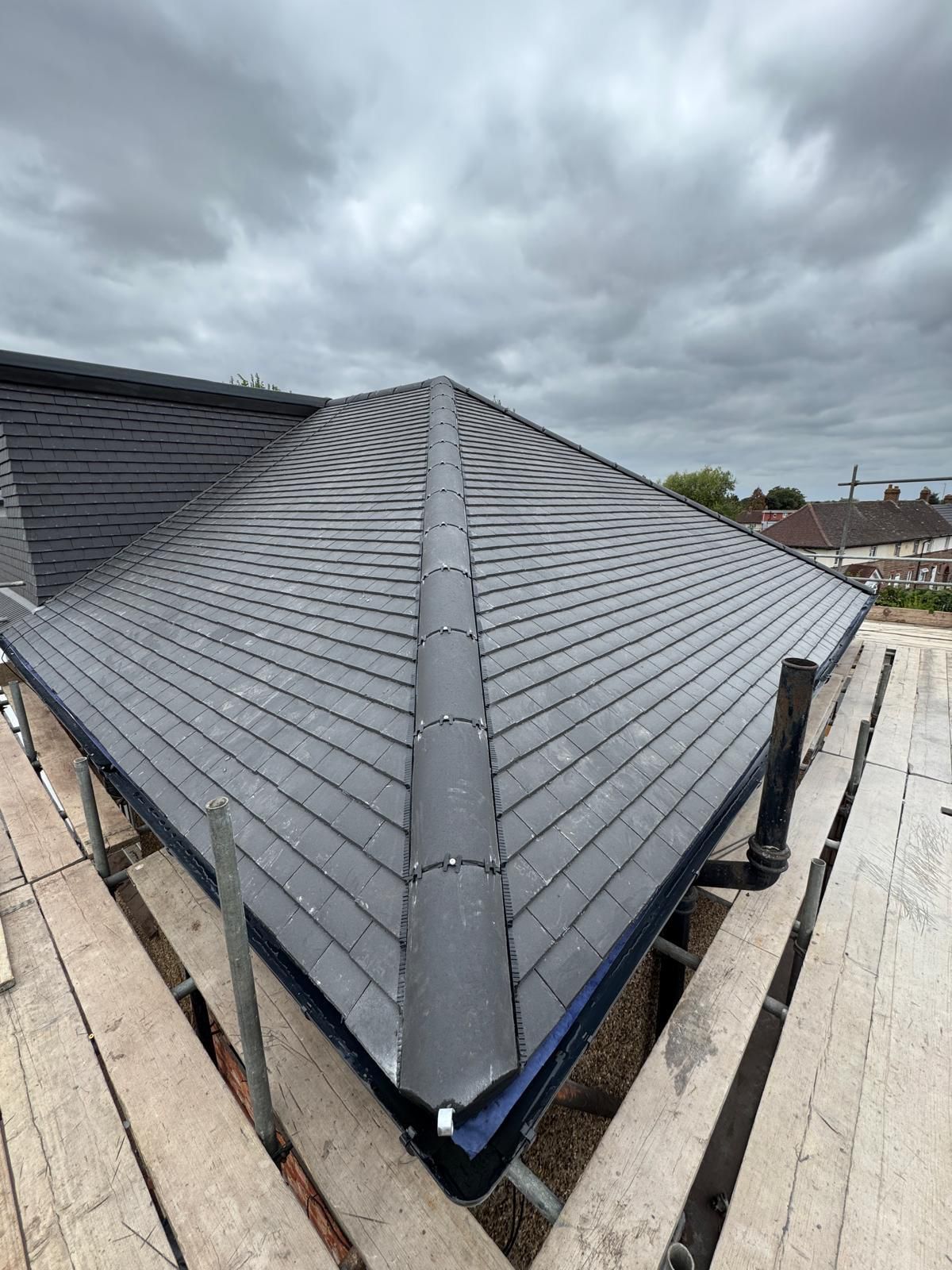
A modern glass roof uses solar-control, self-cleaning glass - keeping the bright, airy feel while cutting the summer heat and winter chill of old conservatory glass.
Building Regulations and Planning
This is the part it's important to get right, because a solid roof changes things a glass or polycarbonate one doesn't.
Swapping a lightweight glass or polycarbonate roof for a solid, tiled roof changes both the weight the structure carries and the thermal performance of the room, so it normally requires building regulations approval. The key point is weight: the existing conservatory frame, wall plate and foundations were built to hold a light plastic roof, and they have to be confirmed as able to take a heavier tiled one, sometimes with reinforcement. A reputable installer surveys the structure and involves building control - the LABC (Local Authority Building Control) explains what's involved - rather than just bolting a heavy roof onto an untested base.
Planning permission usually isn't needed for a like-for-like conservatory roof, but a solid roof on a listed building, or on a property in one of Bristol's conservation areas - Clifton, Redland, Cotham and others - can need consent, so it's worth checking. A like-for-like glass or polycarbonate replacement generally needs neither planning nor building regs. GOV.UK's planning guidance covers the general position, and we advise on exactly what applies to your conservatory before any work.
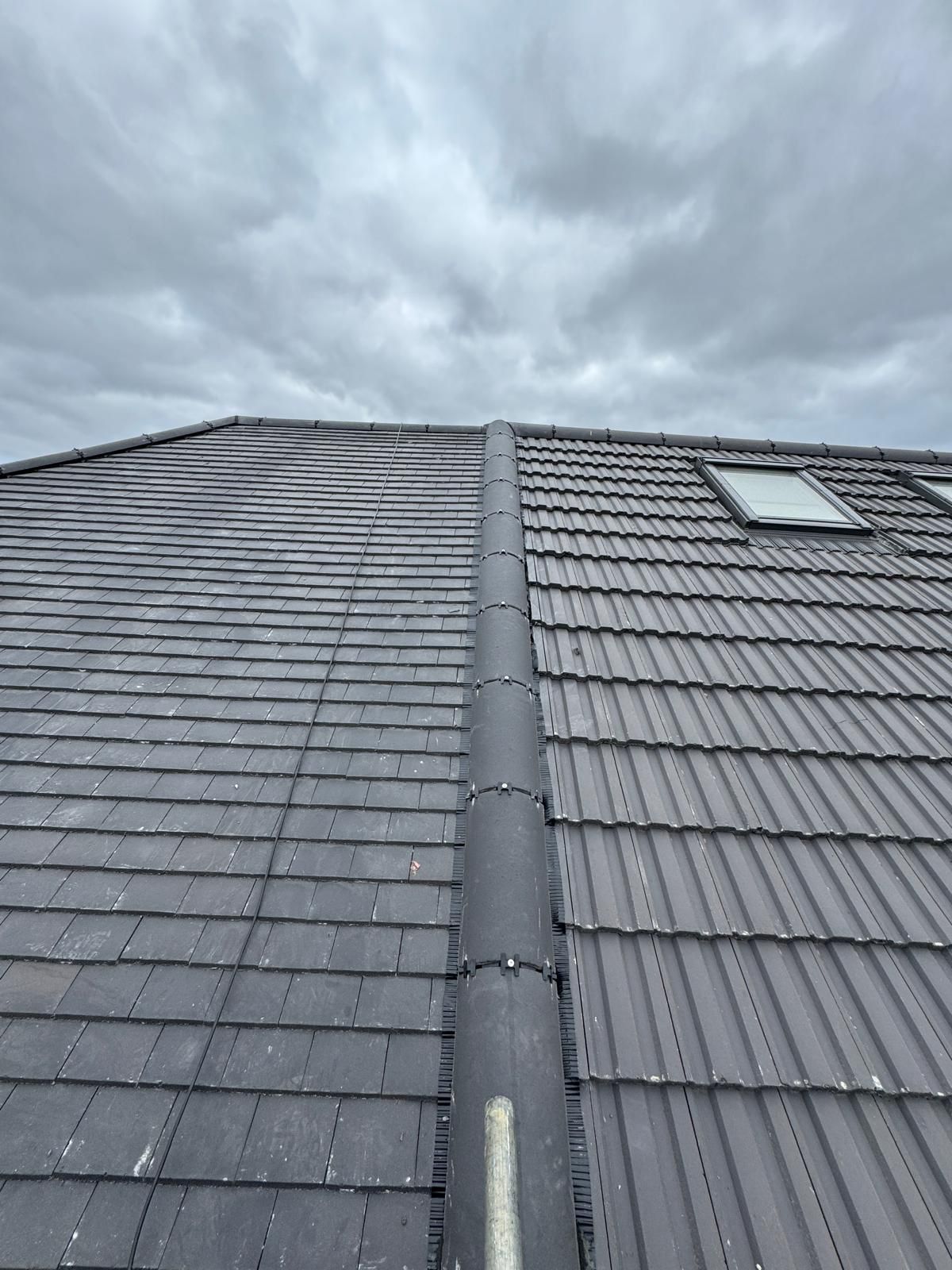
A solid tiled roof is heavier than the polycarbonate it replaces, so the existing frame and base must be checked and building control involved - not just bolted on and hoped for.
What It Costs in Bristol (2026)
Guide prices for conservatory roof replacement on a typical Bristol conservatory in 2026:
- Solid, tiled (warm) roof: £4,000 - £9,000, depending on size and whether rooflights are added.
- Replacement glass roof (solar-control glass): £3,000 - £7,000.
- Like-for-like new polycarbonate roof: £1,500 - £4,000.
- Internal plastering and finishing (solid roof): often extra, £800 - £2,000.
Size is the biggest variable - a small lean-to conservatory costs far less than a large Victorian-style or P-shaped one with a complex roof. The condition of the existing frame and base matters too: if they need reinforcing to take a solid roof, that adds to the cost, which is exactly why a proper survey up front beats a headline price that turns out to have caveats. When choosing an installer, the Federation of Master Builders and the TrustMark scheme let you check they're properly vetted. Our roof replacement service covers conservatory roofs alongside main roofs.
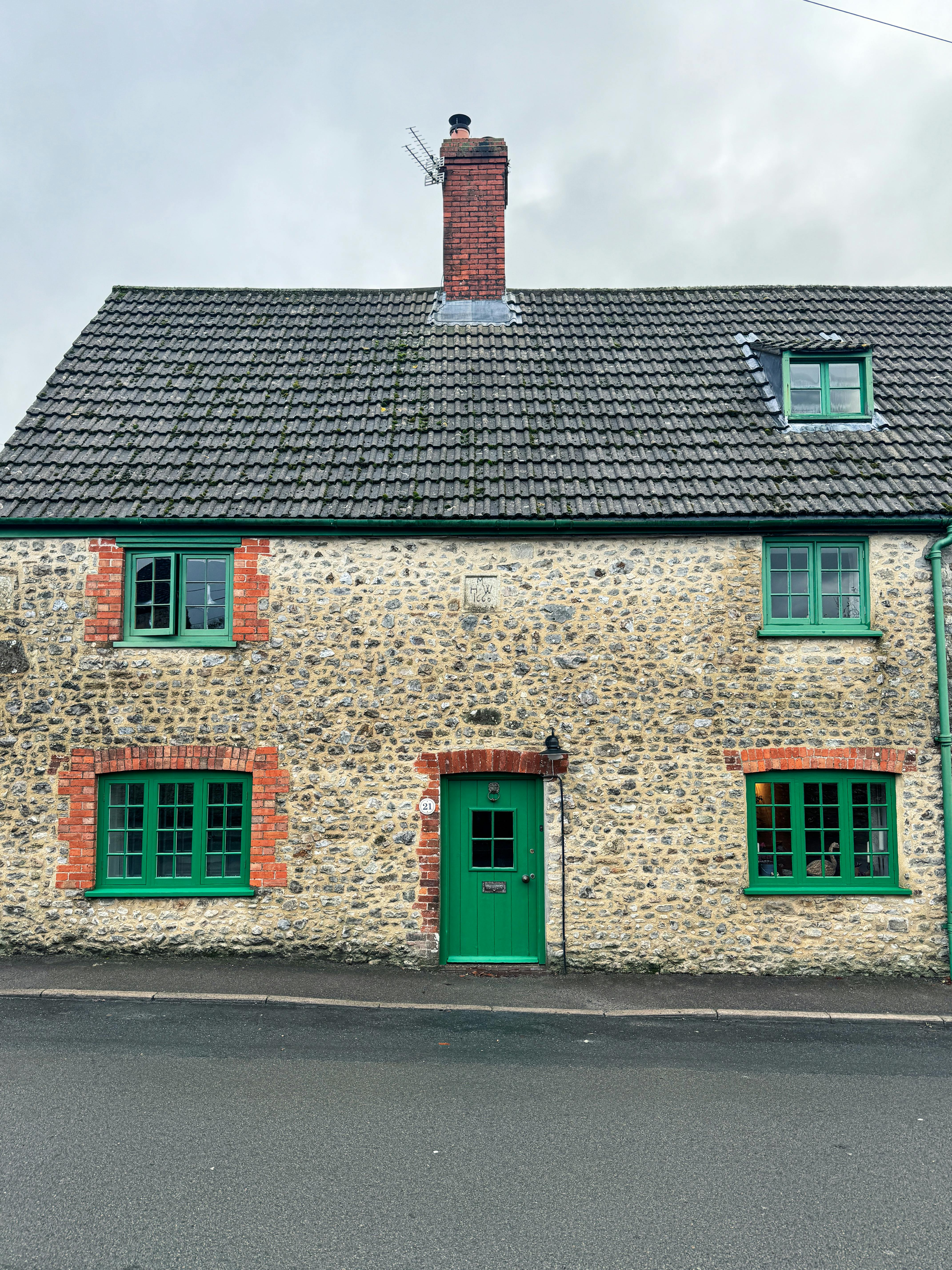
Size and the condition of the existing frame drive the cost - a proper structural survey up front beats a headline price that later sprouts caveats.
Getting It Done Right
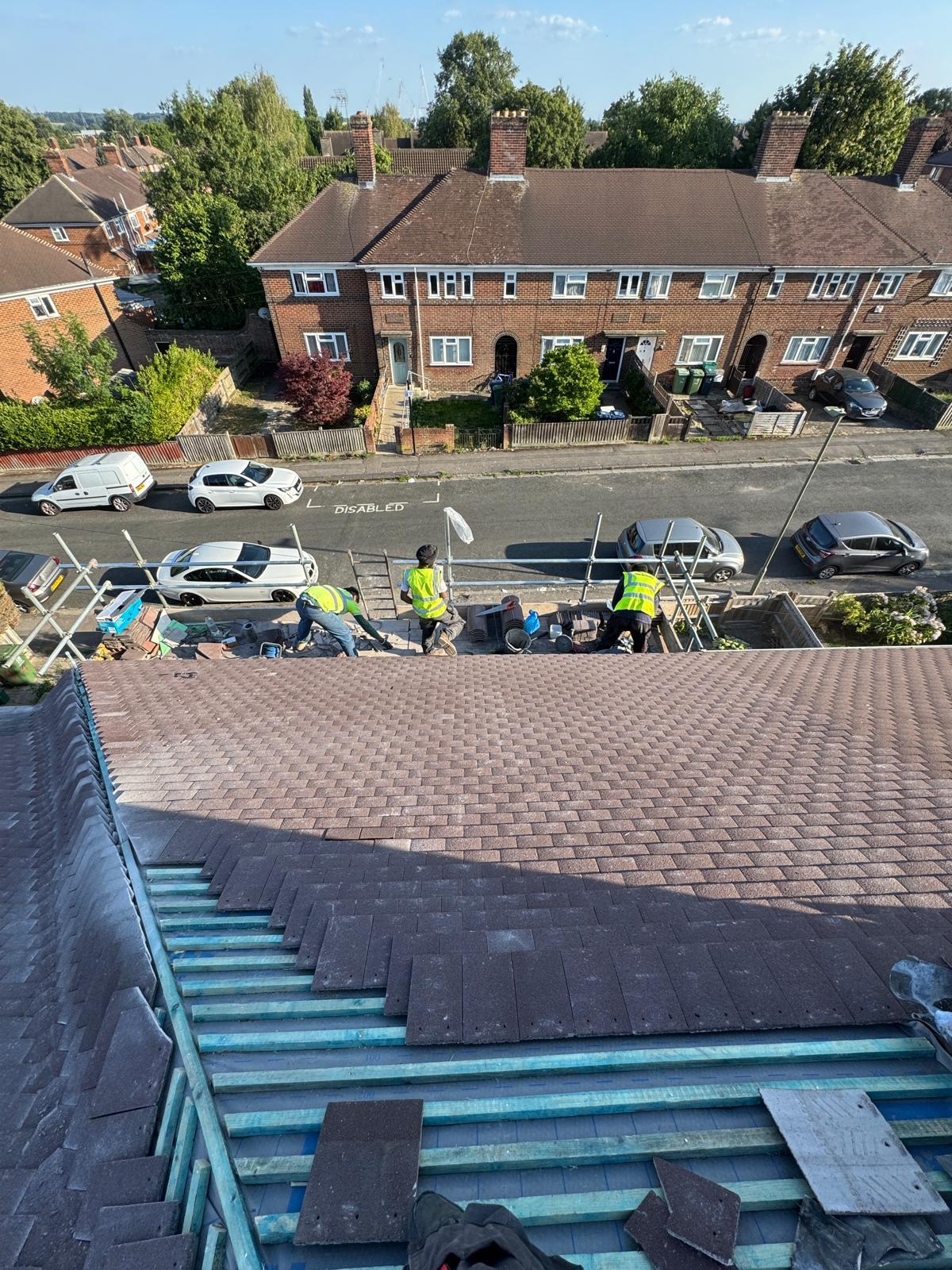
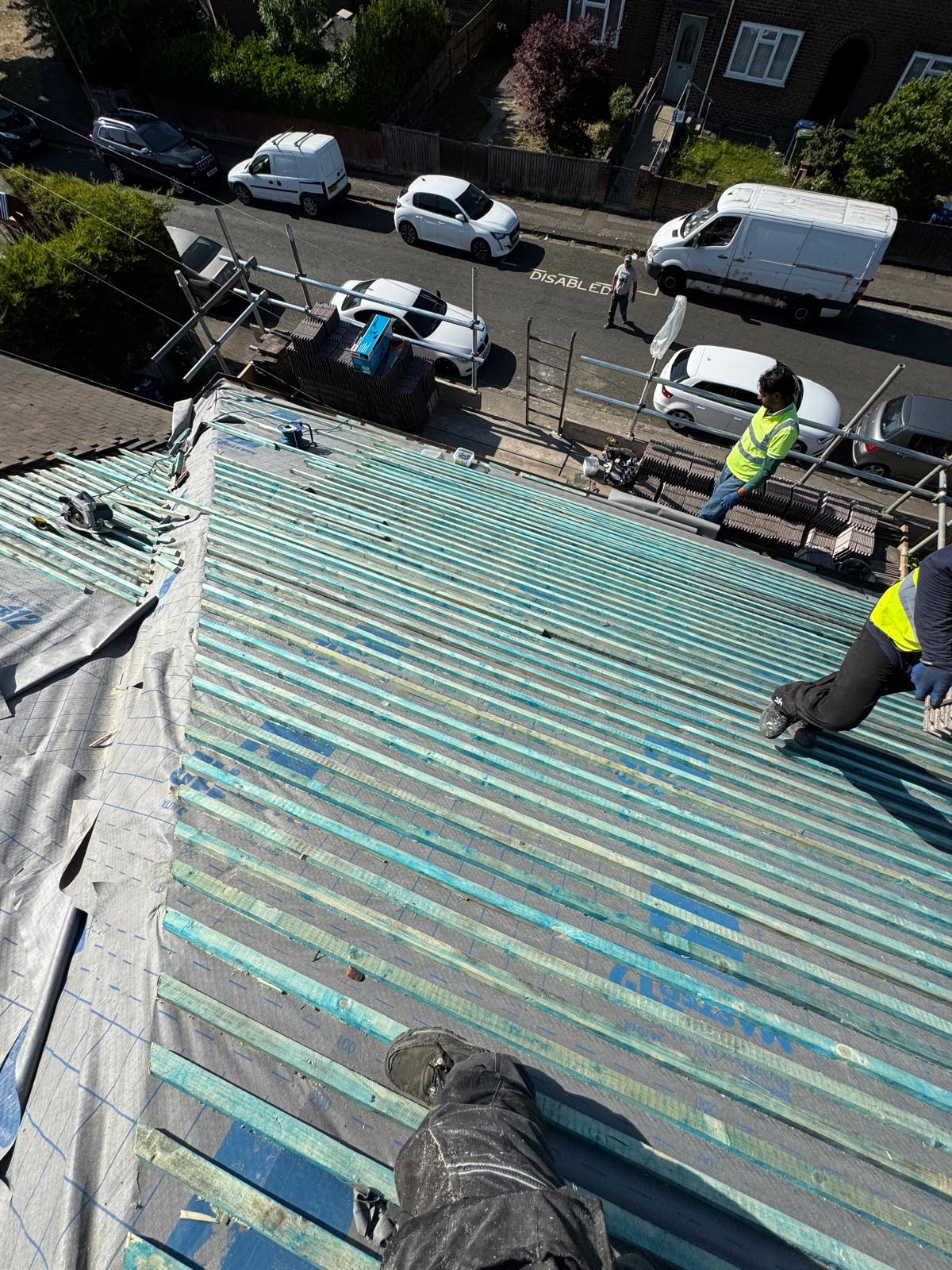
A conservatory roof replacement is a roofing job as much as anything, and the details that make it last are the ones a good roofer gets right. The most important is the junction where the conservatory roof meets the main house wall - this is where most conservatory leaks start, and it needs proper flashing, dressed and sealed correctly, not a smear of mastic.
Before quoting, a competent installer surveys the existing structure - the frame, the wall plate, the base - to confirm what it can carry and what needs doing, rather than assuming. They'll also check the existing gutters and the flashing to the house, since these often need renewing at the same time. And they'll be clear about whether building regulations apply and handle that side for you. If your conservatory is leaking rather than just uncomfortable, it's worth having the whole junction with the house checked, as the leak sometimes turns out to be coming from the main roof or wall above rather than the conservatory itself. Whoever you use, make sure the weatherproofing to the house is treated as the priority it is - it's the difference between a room you love and a recurring damp problem.
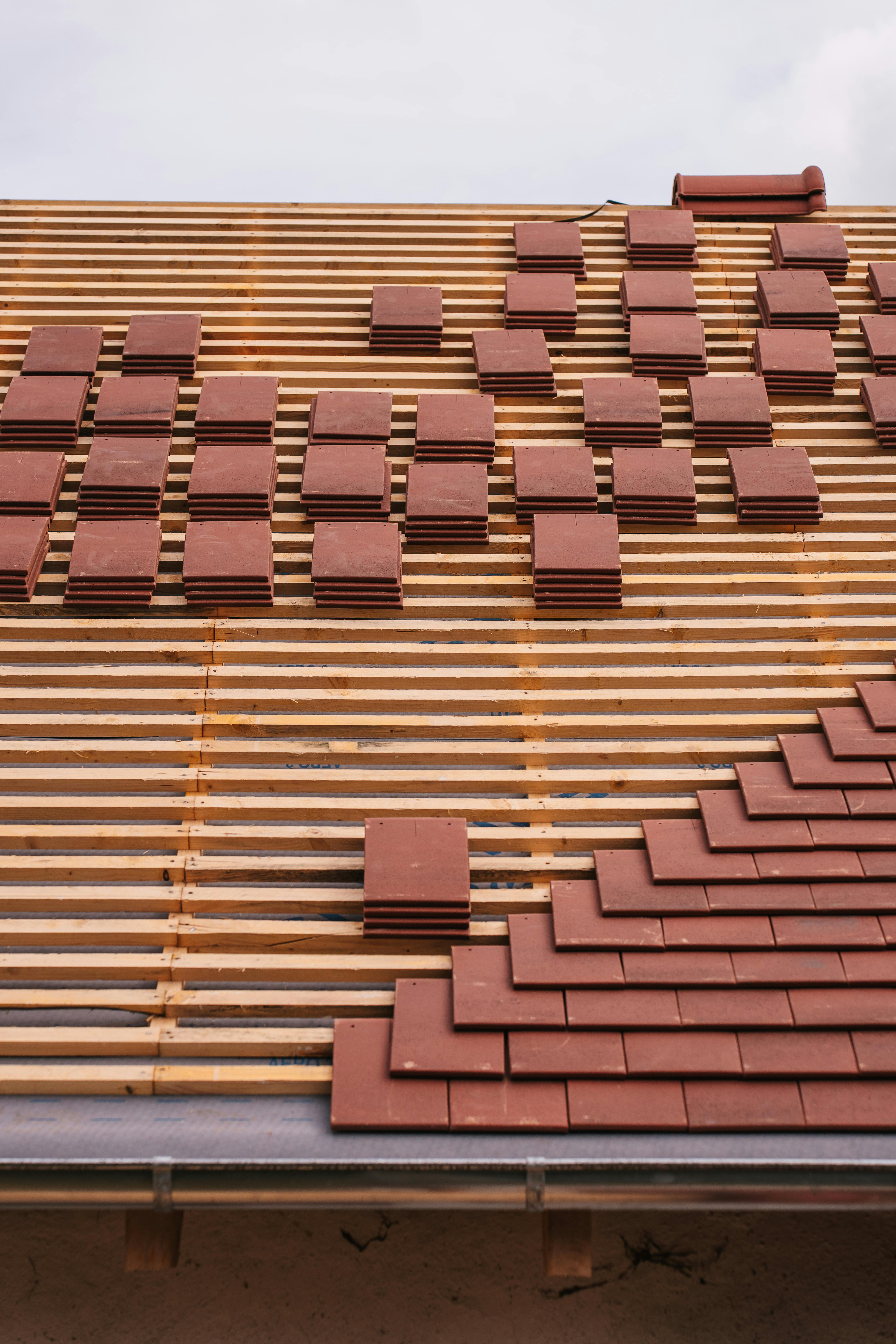
The junction where the conservatory roof meets the house wall is where most leaks start - proper flashing there, not a smear of mastic, is what makes the job last.
Frequently Asked Questions
Conservatory you can't use half the year?
We replace conservatory roofs across Bristol - solid tiled warm roofs and modern glass roofs - and we survey the structure and the flashing to the house properly first. Book a free, no-obligation assessment and we'll tell you honestly which option suits your conservatory and what it'll cost.
Book a Free Assessment