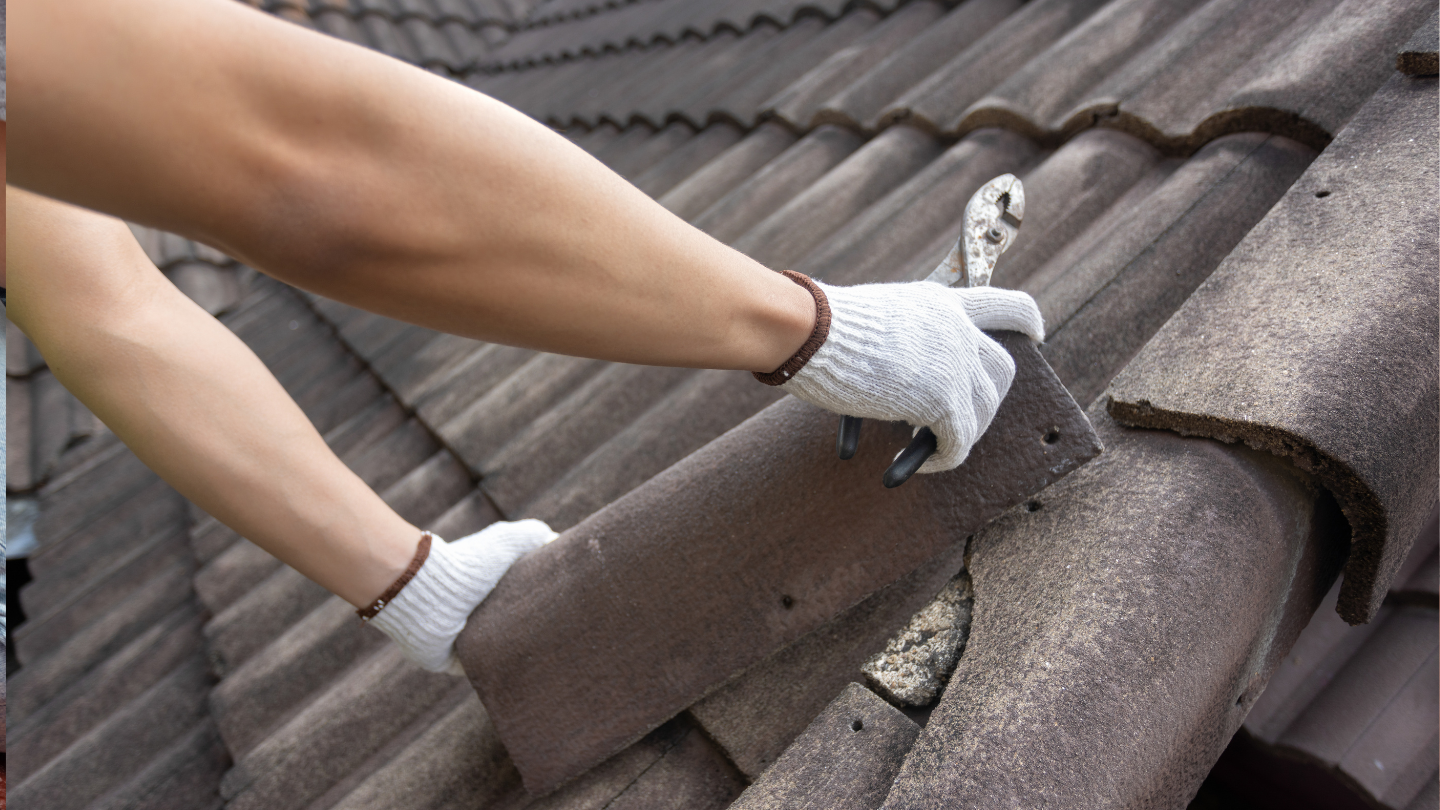
Bristol sits on the western edge of England, directly in the path of Atlantic weather systems that push in from the south-west. The city averages around 860mm of rainfall a year and sees named storms most winters - sometimes two or three. That's not unusual for the South West, but it does mean Bristol roofs are exposed to conditions that cause real damage: sustained winds dislodging ridge tiles and flashings, heavy rain overwhelming gutters and finding its way through gaps, and the occasional severe gust stripping slates. Knowing how to assess your roof safely after a storm - and when to pick up the phone - is genuinely useful to have in your head before it happens.
Why Bristol Roofs Are Particularly Exposed
The geography matters. Bristol is only about 20 miles from the coast at the Bristol Channel, and storm systems arriving from the Atlantic lose little energy before they reach the city. Areas on higher ground - Clifton, Henleaze, Bishopston, Horfield - catch more wind than the lower-lying parts of the city, and Victorian terraces on exposed ridgelines can see conditions noticeably worse than their neighbours in sheltered valleys.
The age of the housing stock compounds this. Ridge tiles bedded in mortar that was last pointed in the 1990s, chimney stacks with perished mortar joints, flashings that have been patched and re-patched over the years - these are the components that fail first under storm conditions. A brand new roof in good condition can handle gales with no issues; an older roof with a few weak points is much more vulnerable.
Our roof repair service handles storm damage calls across Bristol throughout the autumn and winter. The calls we get most often after named storms are for missing ridge tiles, displaced chimney flashings, and slates blown from exposed sections of Victorian terraces.
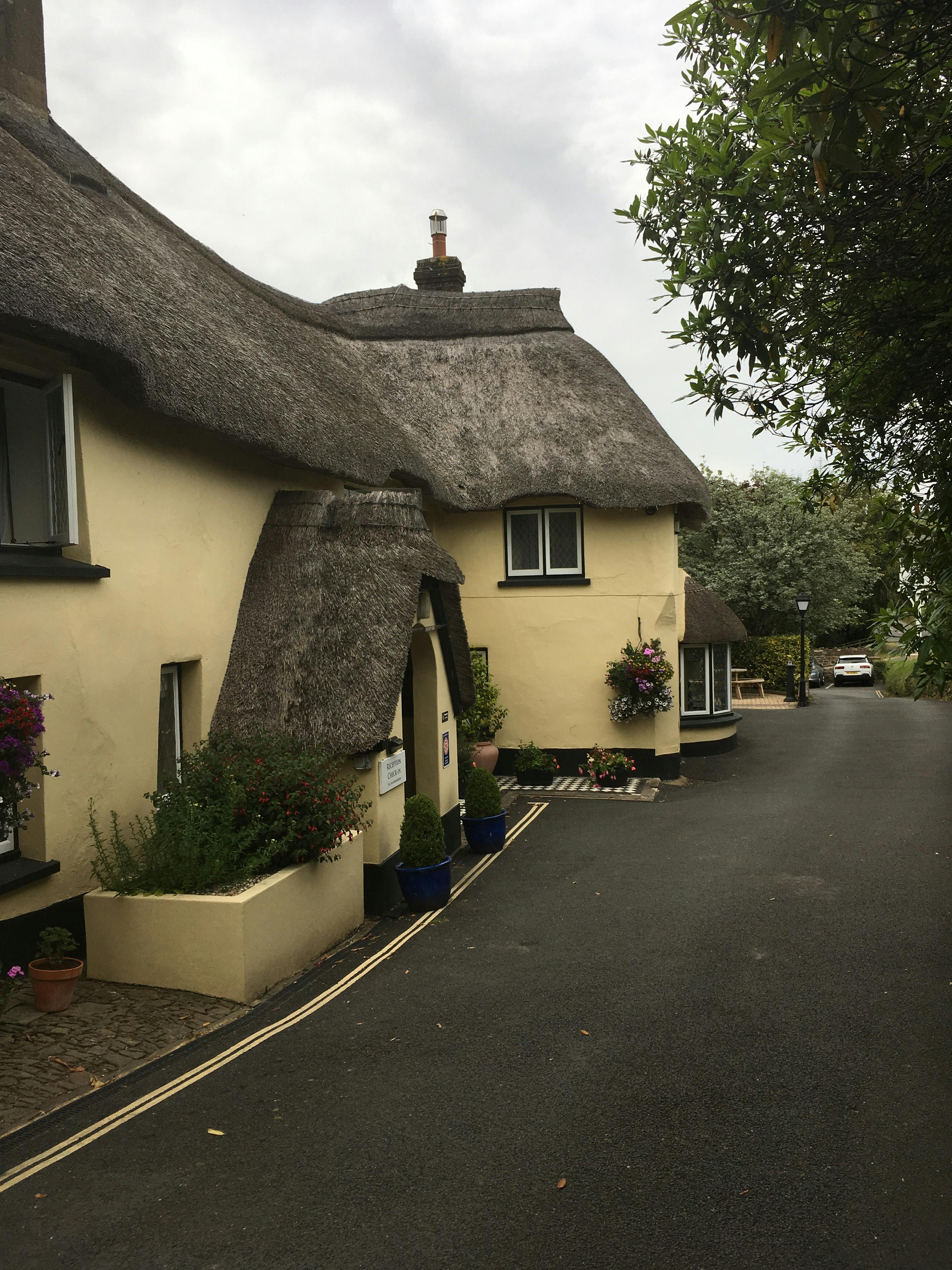
Bristol's position on the western edge of England means Atlantic storm systems arrive with relatively little energy loss - exposed rooflines on higher ground catch the worst of it.
What to Check From Ground Level
The first thing to do after a storm is walk around the outside of your property and look. You don't need to go on the roof - and you shouldn't. Most of what's actionable is visible from the ground.
Take your time and work around the whole building. Look at the ridge line first - any gaps, displaced or missing ridge tiles are usually visible from the pavement. Then scan the main roof slopes for missing slates or tiles, visible patches where the felt or boarding beneath is exposed, or any section where the covering looks disturbed. Chimney stacks are worth scrutinising carefully, particularly the junction between the stack and the roof surface where flashing sits.
Binoculars make this much easier, and a phone camera with decent zoom can work too - zooming into a photo often reveals things that are hard to see with the naked eye. Look for anything displaced, lifted, or cracked. Debris on the roof - broken tile fragments, pieces of mortar, leaf matter packed against a flashing - is also worth noting.
Don't forget the gutters. Heavy wind can pack them with debris from overhanging trees, and if a tile has cracked and shed material, broken pieces in the gutter confirm something has failed above.
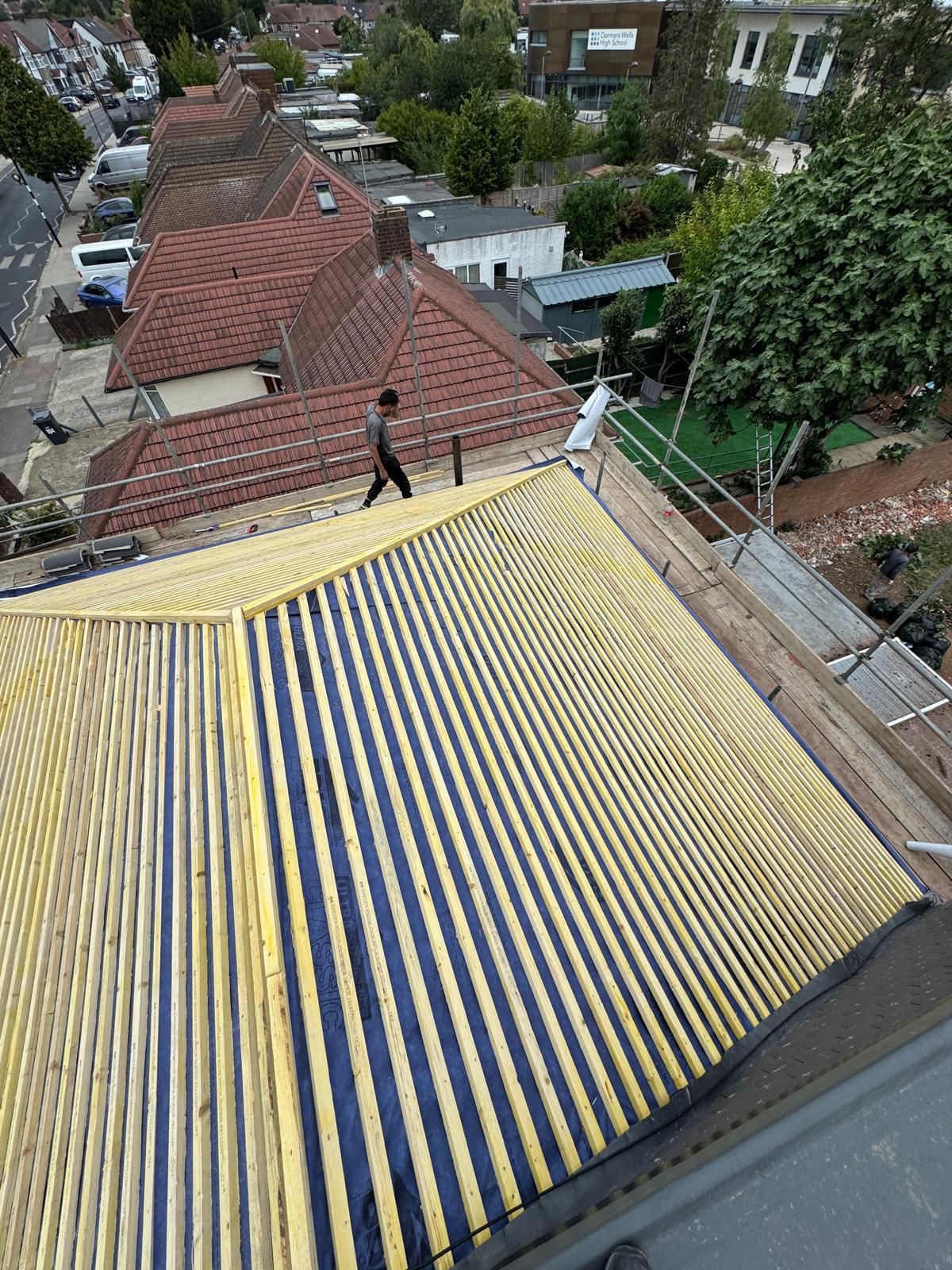
A thorough ground-level inspection with binoculars covers most of what you need to know. If you can't see the rear slope from the road, check from an upstairs window or the garden.
What to Check Inside the Loft
If you can access your loft safely, a quick check after a significant storm is worth doing. Bring a torch and look for daylight - any pinprick of light coming through the roof covering indicates a gap. On a sunny day these are easy to spot; in overcast conditions, wait for rain and see if water is tracking in anywhere.
Look at the rafters for fresh damp staining, wet patches on insulation, or any sign of water tracking down timber. Old staining that's clearly dried out is probably pre-existing; new wet patches indicate current ingress. If you find felt that's torn or sagging and holding water, that's something that needs addressing before the next wet spell.
Check around any roof penetrations - soil pipes, soil vent pipes, any skylights or rooflights. The flashings around these are often the first things to be disturbed by a storm, and a displaced boot flashing around a soil pipe can let in significant water very quickly.
The Most Common Storm Damage on Bristol Properties
Based on the jobs we attend after named storms, a few things come up consistently:
- Ridge tiles: The mortar bedding ridges degrade over decades. High winds get under loose ridges and lift them clean off. A missing ridge tile exposes the roof timber directly to weather and needs attention quickly.
- Slipped or missing slates and tiles: Individual slates blown off are common on older Victorian terraces with original nibs or nails that have corroded. One missing slate rarely causes immediate internal damage if the felt is intact, but it needs fixing before the felt deteriorates.
- Displaced chimney flashings: Wind gets under lifted flashing edges and peels them back, particularly on south-west facing stacks that catch the prevailing weather. Sometimes the lead itself is fine and just needs re-dressing; sometimes the mortar joint holding it in needs repointing.
- Damaged or blocked gutters: High winds carry debris into gutters and can knock sections of guttering off their brackets, particularly older cast iron systems. A blocked or detached gutter after a storm can cause more water damage than the roof itself if left.
- TV aerials and satellite dishes: These are technically separate from the roof but they're on it, and a storm-damaged dish falling across a ridge or valley can cause real damage. If a dish or aerial is visibly displaced, get it removed before it causes secondary damage.

Ridge tiles and individual slates are the most common storm damage on Bristol's older housing stock - usually manageable repairs if caught early.
When to Call a Professional - and What Not to Do
Call us if you've spotted anything missing, displaced, or damaged that you can't clearly explain as pre-existing. Even if you're not sure whether what you're seeing is storm damage or something that's been there a while, a free assessment costs nothing and gives you a clear answer.
Don't go on the roof yourself. A wet pitched roof is genuinely dangerous - tiles that look solid can be slippery enough to cause a fall, and storm-damaged sections may be weaker than they appear. Falls from roofs are one of the most common causes of fatal accidents in the home maintenance category, and the risk isn't worth taking for a visual check that a professional can do safely with the right access equipment.
If you have an active leak during the storm - water coming through the ceiling - the immediate priority is containing it: buckets, towels, and moving valuables. When the weather clears, call to arrange an inspection. If the damage is severe enough that part of the roof covering is missing and further rain is imminent, ask whether emergency tarpaulin cover is available - it's a temporary measure but buys time until a proper repair can be carried out.
On the insurance side: most home policies cover sudden storm damage. The Federation of Master Builders' find-a-builder directory is a useful resource if you want an independent inspection report for an insurance claim - an FMB member will provide a written report that documents the damage and its likely cause. Keep any temporary repair receipts too, as most policies cover emergency measures taken to prevent further damage.
After the Repair - Thinking Ahead
If storm damage reveals that the roof has broader underlying issues - mortar that's generally failing, slates that are powdering with age, flashings that are at the end of their life - it's worth having that conversation honestly with your roofer rather than just fixing the immediate problem.
A roof that sustains significant storm damage once is more likely to do so again if the underlying condition isn't addressed. Ridge tiles that blew off because the mortar was failing will blow off again after the next repair if the surrounding mortar is in a similar state. A selective repair is sometimes the right answer, but a broader assessment of condition can save money over the next few years. The NHBC publishes guidance on typical roof maintenance intervals that gives a useful frame of reference for how often different components need attention.
It's also worth reading our post on lead flashing repairs in Bristol if the storm inspection turns up issues with the flashings around your chimney or dormers - it covers what to expect from that work in more detail.
Frequently Asked Questions
Had a storm pass through? We'll come and check.
We offer free post-storm roof assessments across Bristol and the surrounding areas. We'll inspect properly, show you what we find, and give you a clear written quote if anything needs doing.
Book a Free Assessment