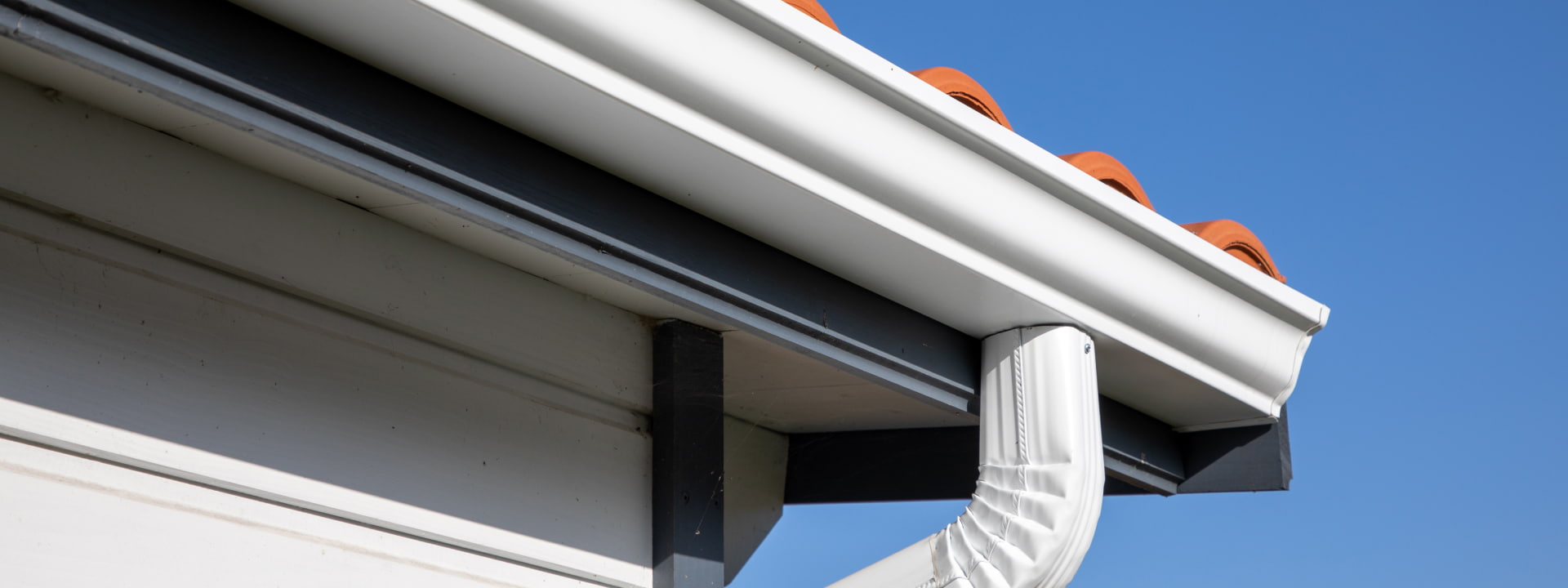
The roofline - the fascias, soffits and bargeboards running around the edge of your roof - is one of those parts of a house nobody thinks about until the paint is peeling and the gutter's hanging off. It does a quiet but important job, protecting the roof timbers and the top of your walls from water, and on Bristol's older properties the original timber is often decades past its last proper maintenance. This guide covers what these parts do, how to spot when they've gone, the timber-versus-uPVC question, and what replacement costs in 2026.
What Fascias, Soffits and Bargeboards Actually Do
They sound like technical jargon, but they're simple once you know where to look. Stand outside and look up at the edge of your roof:
- The fascia is the board running horizontally along the bottom edge of the roof. It's the one you can see the gutter fixed to - the gutter hangs off the fascia, so the fascia carries all that weight of water.
- The soffit is the board tucked underneath the fascia, closing off the gap between the wall and the overhanging edge of the roof. Look up from directly beneath the eaves and the soffit is what you see. It usually houses the roof's ventilation.
- The bargeboard is the same idea as a fascia but running up the sloping edge of a gable end - the diagonal boards you see on the triangular end wall of a house. On Victorian properties these are often decorative, cut into ornate patterns.
Together they're known as the roofline, and their job is protection. They seal off and cover the ends of the roof timbers, keeping wind-driven rain out of the roof structure and off the top of the walls. Get them wrong and water finds its way into the rafters and the wall head - which is why letting them rot is more serious than it looks.
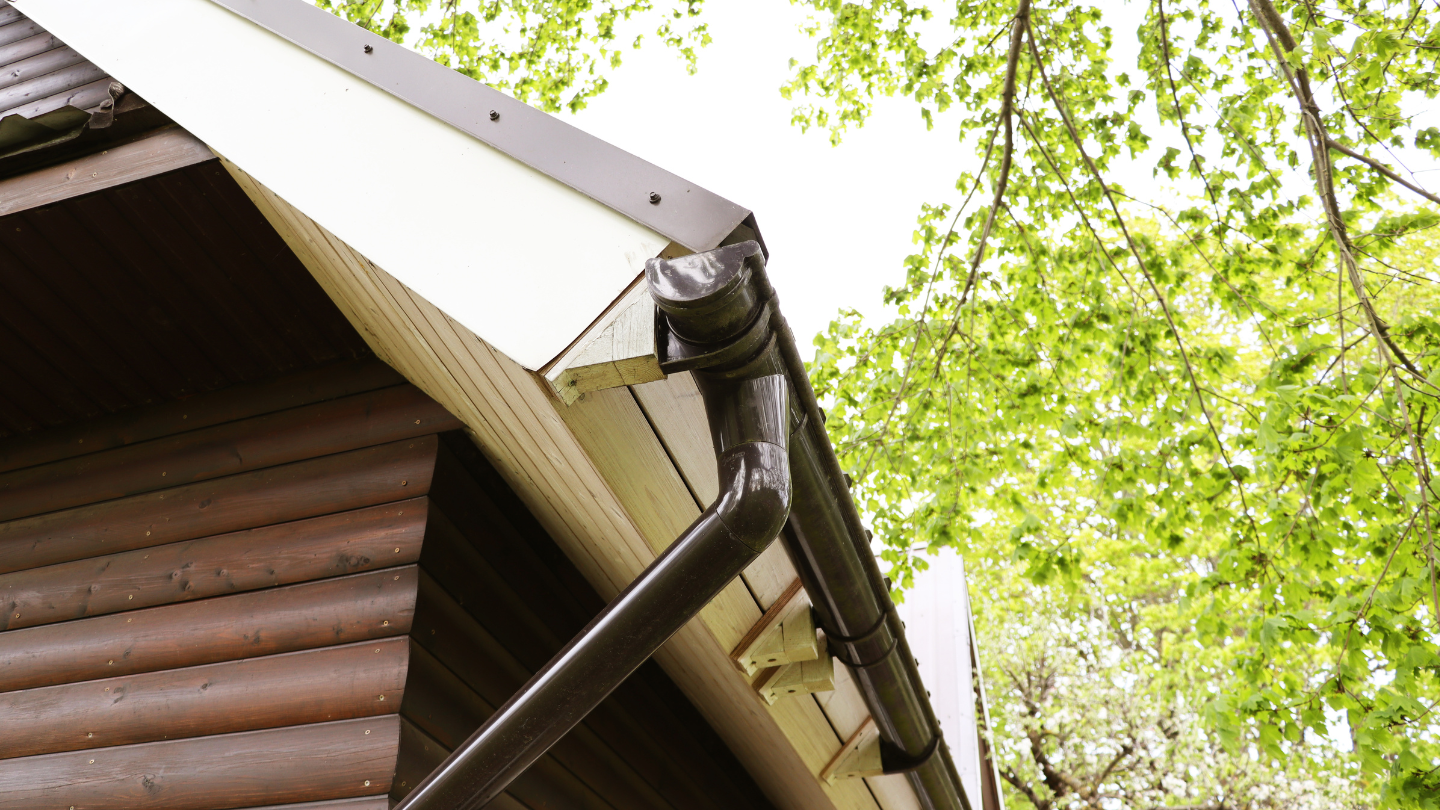
The fascia carries the gutter along the roof edge; the soffit closes off the underside. Together they protect the roof timbers and wall tops from water.
Why Bristol's Rooflines Rot
A huge proportion of Bristol's housing is Victorian and Edwardian, and those properties were built with painted timber fascias, soffits and bargeboards. Timber is fine as long as it's kept sealed with sound paint - but paint doesn't last forever, and once it cracks, water gets into the wood behind it.
What we see across Bristol is timber that's been painted over and over for a century. Each coat hides the state of the wood underneath, so by the time anyone notices, the rot is well advanced. The wet climate does the rest: over 800mm of rain a year, damp winters, and south-westerly weather driving rain straight at the roofline. The north and west-facing elevations stay damp longest, so they usually go first.
There's often a second culprit: the gutter above. A blocked or leaking gutter overflows straight down the fascia behind it, keeping the timber permanently wet and rotting it from the back where you can't see it. Roofline rot and gutter problems usually go hand in hand, which is why we look at both together - our guide to gutters and downpipes in Bristol covers that side of it.
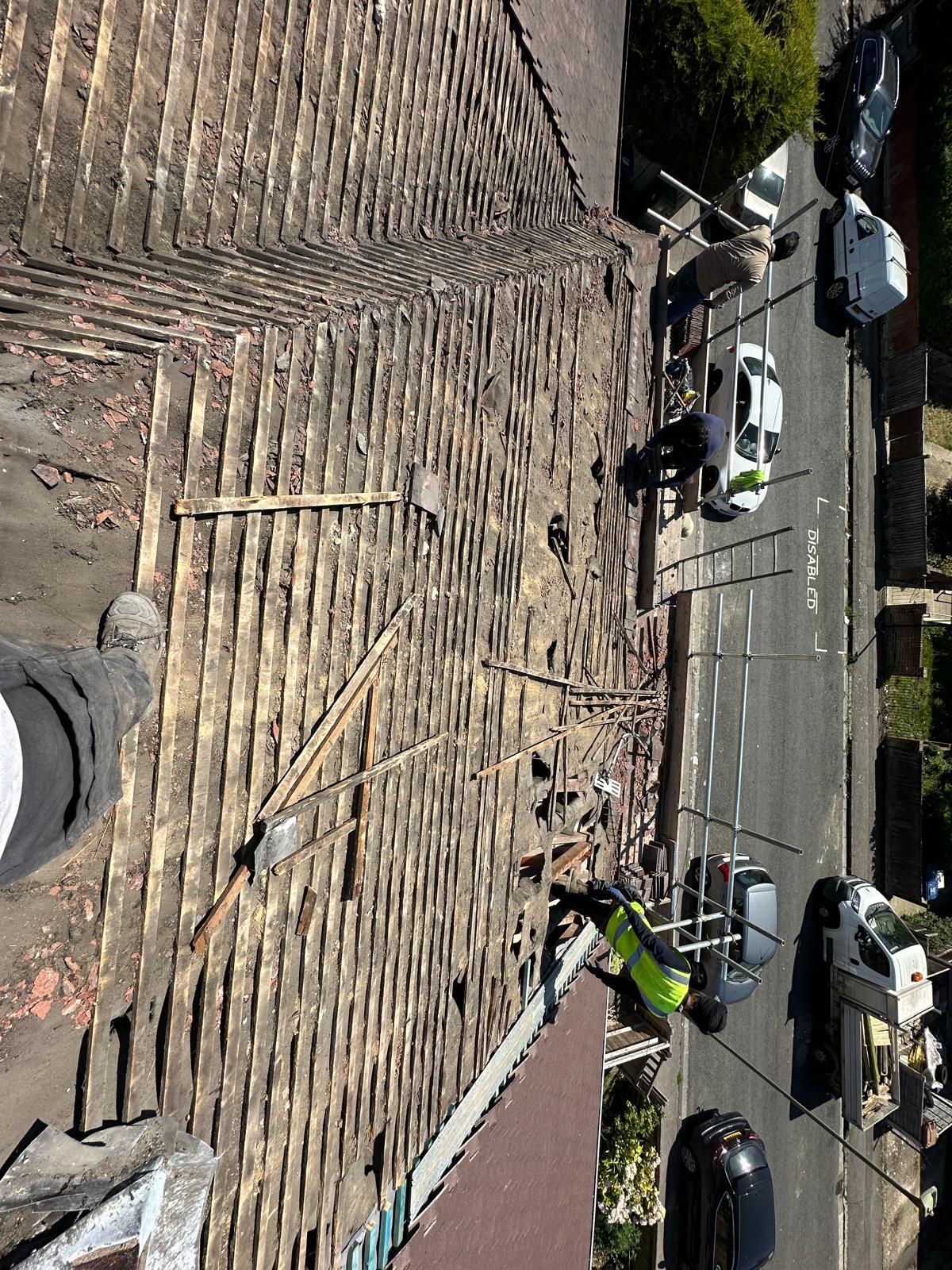
A century of paint over Victorian timber hides the rot underneath - and a leaking gutter above keeps the fascia wet from the back where you can't see it.
The Signs Your Roofline Needs Attention
Roofline problems are usually visible from the ground if you know what to look for. Watch for:
- Flaking, blistering or peeling paint on the boards - the first sign the timber is no longer sealed.
- Soft or spongy timber: if you can reach a board and press it, sound wood is firm. Wood that gives is rotten.
- Gaps, cracks or split boards, which let water and pests straight in.
- A sagging or pulling-away gutter: if the fascia behind it has softened, it can no longer hold the gutter's fixings, so the gutter starts to droop.
- Birds or wasps getting into the roof space: rotted soffits leave gaps that birds nest in and wasps build in, a very common sign in spring.
- Green algae staining or damp inside at the top of the wall, which points to water getting past the roofline.
If you're seeing soft timber or a drooping gutter, the rot is usually more advanced than it looks from the pavement. It's worth getting a proper look before water reaches the roof timbers behind, which turns a roofline job into a structural one.
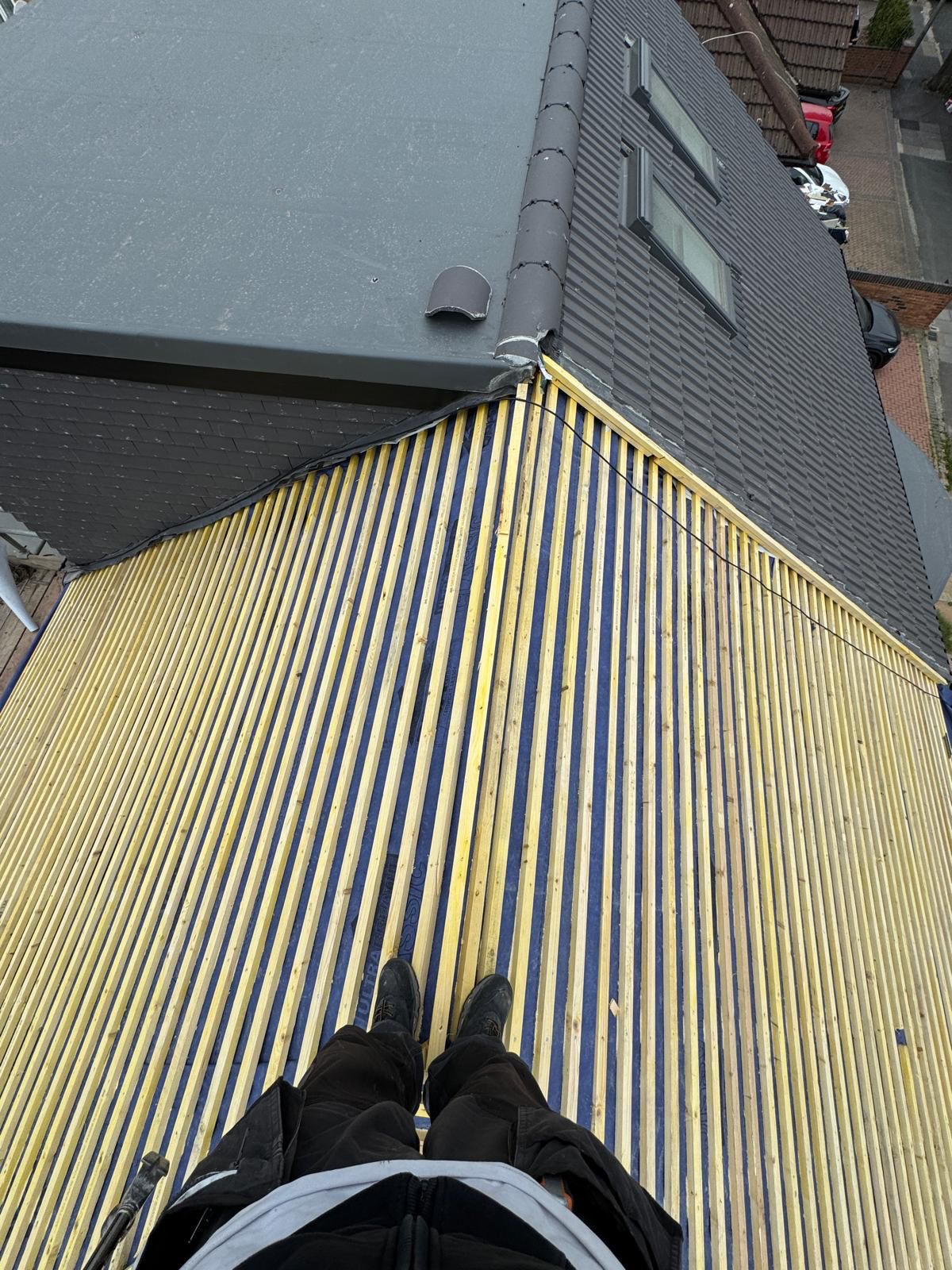
Soft, spongy timber or a sagging gutter means the rot is advanced - left longer, water reaches the roof rafters behind and the job gets bigger.
Timber or uPVC? The Real Decision
When it's time to replace, the main choice is between modern uPVC and traditional timber, and the right answer depends heavily on the property.
uPVC is what most replacements use, and for good practical reasons: it never needs painting, it won't rot, and it shrugs off Bristol's weather for decades with nothing more than an occasional wipe. For a standard postwar semi or a modern house, it's the sensible, low-maintenance choice, and it comes in white, woodgrain and colours.
Timber still has its place, and on some Bristol properties it isn't optional. If your home is listed, or sits in one of the city's many conservation areas - Clifton, Redland, Cotham, Montpelier, Bishopston and others - replacing decorative timber bargeboards and fascias with plain uPVC can harm the character of the building and may not be permitted. Ornate Victorian bargeboards in particular are often a protected feature. In those cases the correct approach is like-for-like timber, properly treated and painted. GOV.UK's planning guidance covers the general position, and we always check what applies before recommending a material.
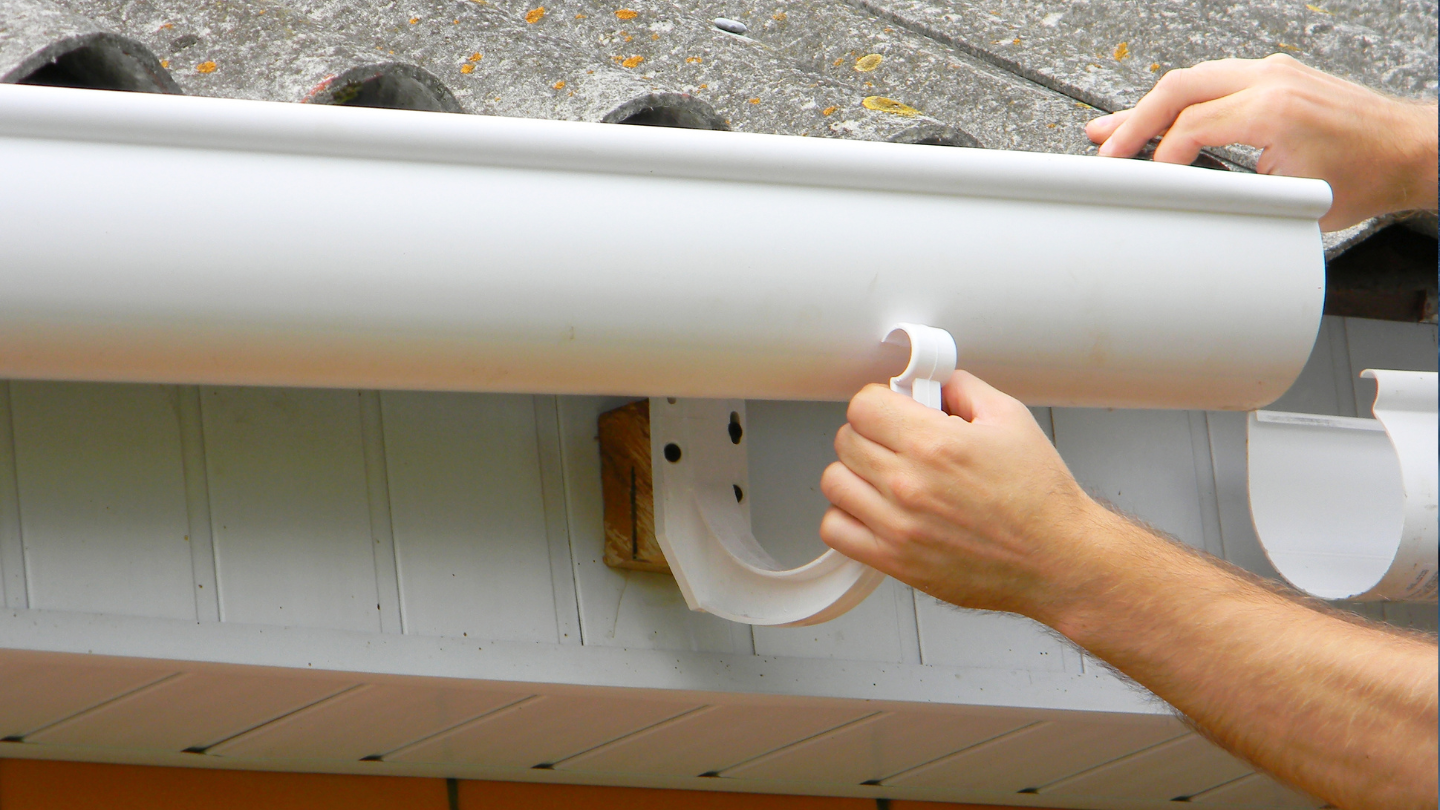
uPVC is the low-maintenance choice for most homes, but period properties in Bristol's conservation areas often need like-for-like timber to keep their character.
Don't Forget the Ventilation
Here's the detail that catches people out, and it's a big one. The soffit is where a lot of a roof's ventilation comes in, through vents built into the boards. Air enters at the eaves, flows up through the loft, and carries moisture away with it.
When soffits are replaced, that ventilation has to be maintained or added back in. We've seen plenty of jobs - usually done cheaply or by a general builder rather than a roofer - where the eaves were sealed up tight with new boards and no vents, and the loft started suffering condensation within a year. A damp, mouldy loft is a much bigger problem than the tired soffit that was replaced. It's exactly the kind of thing we cover in our guide to roof ventilation and condensation in Bristol lofts. Any roofline replacement should include the right ventilation as standard, not as an afterthought.
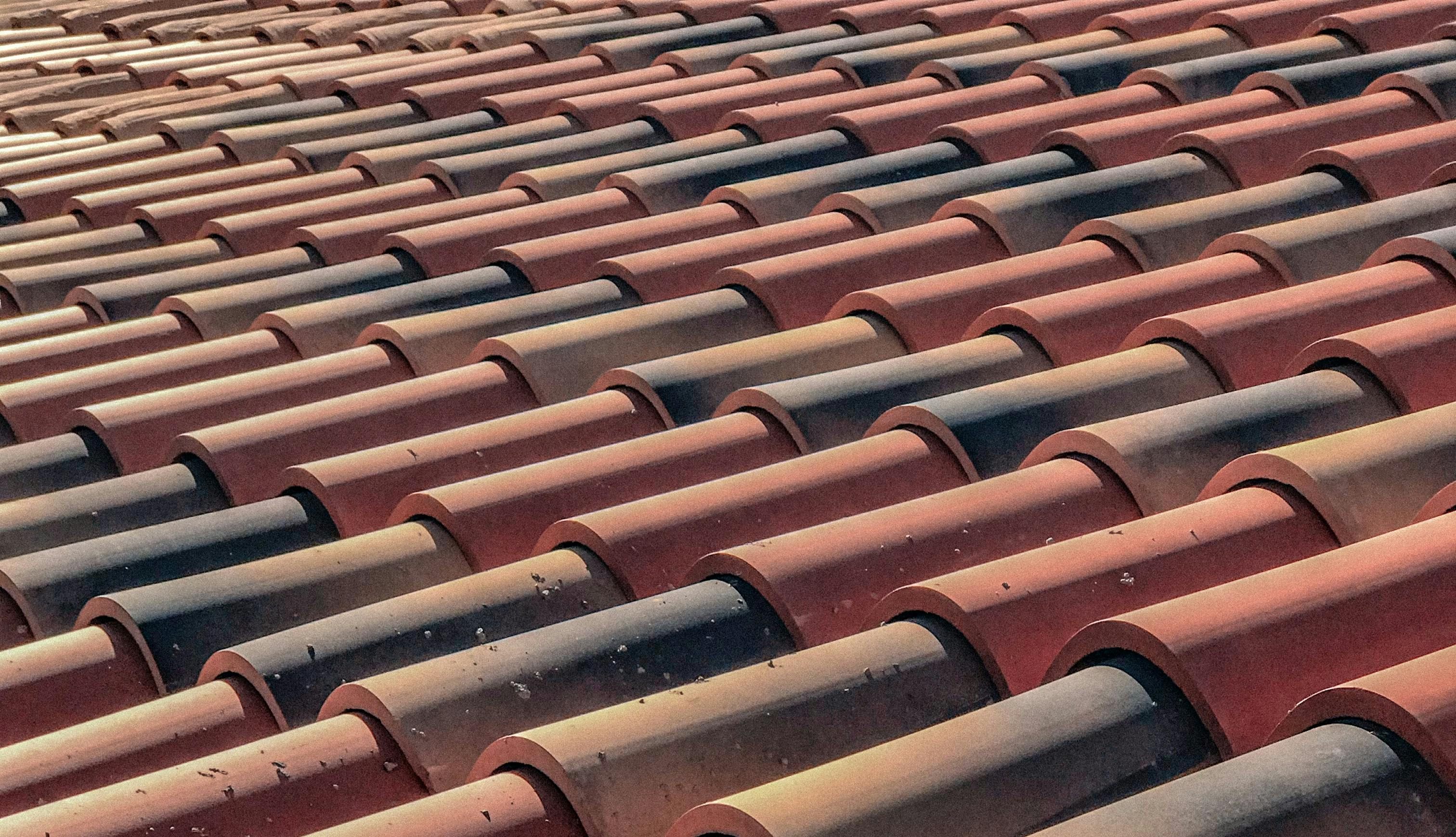
The soffit carries much of the roof's ventilation - sealing the eaves up with new boards and no vents is a common cause of a damp, condensation-prone loft.
What Roofline Replacement Costs in Bristol (2026)
Guide prices for replacing fascias, soffits and bargeboards on a typical Bristol property in 2026. These usually include new guttering, since it makes sense to renew it while the fascia is off:
- uPVC fascias and soffits, semi-detached (with gutters): £1,500 - £3,500
- Full terraced or detached property: £2,500 - £5,000+
- Adding bargeboards on a gable: from £300 - £700 per gable
- Like-for-like timber (conservation/heritage): more again, depending on detailing
Scaffolding is almost always required, since this is work all around the roof edge at height, and it's a real part of the cost. A quote should make clear whether it's included, whether new guttering is part of the price, and whether ventilation is being maintained. As always, be wary of a quote that's far below the others - roofline work done off ladders, or with the eaves sealed up and no vents, causes exactly the problems this article is about. When choosing a contractor, the National Federation of Roofing Contractors and the TrustMark scheme both let you check they're properly vetted. For related guttering work, see our gutter installation service.
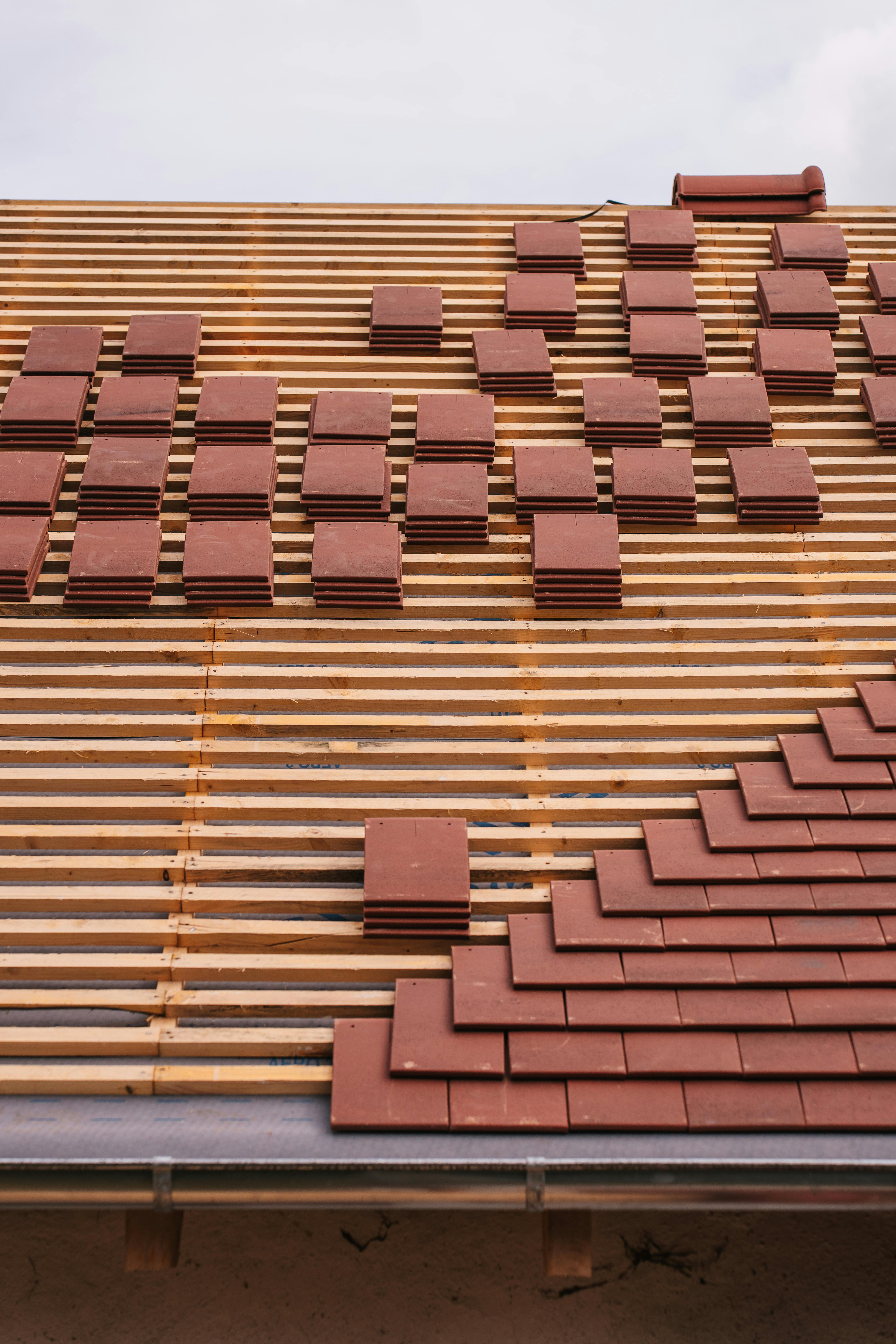
Roofline replacement is work all around the roof edge at height, so scaffolding is part of the cost - and new guttering is usually renewed at the same time.
Frequently Asked Questions
Peeling paint or a sagging gutter?
If your roofline is looking tired or your gutter's started to droop, it's worth catching before the rot reaches the roof timbers. We offer free, no-obligation assessments across Bristol - we'll check the fascias, soffits and bargeboards, sort the ventilation properly, and give you a clear written quote.
Book a Free Assessment