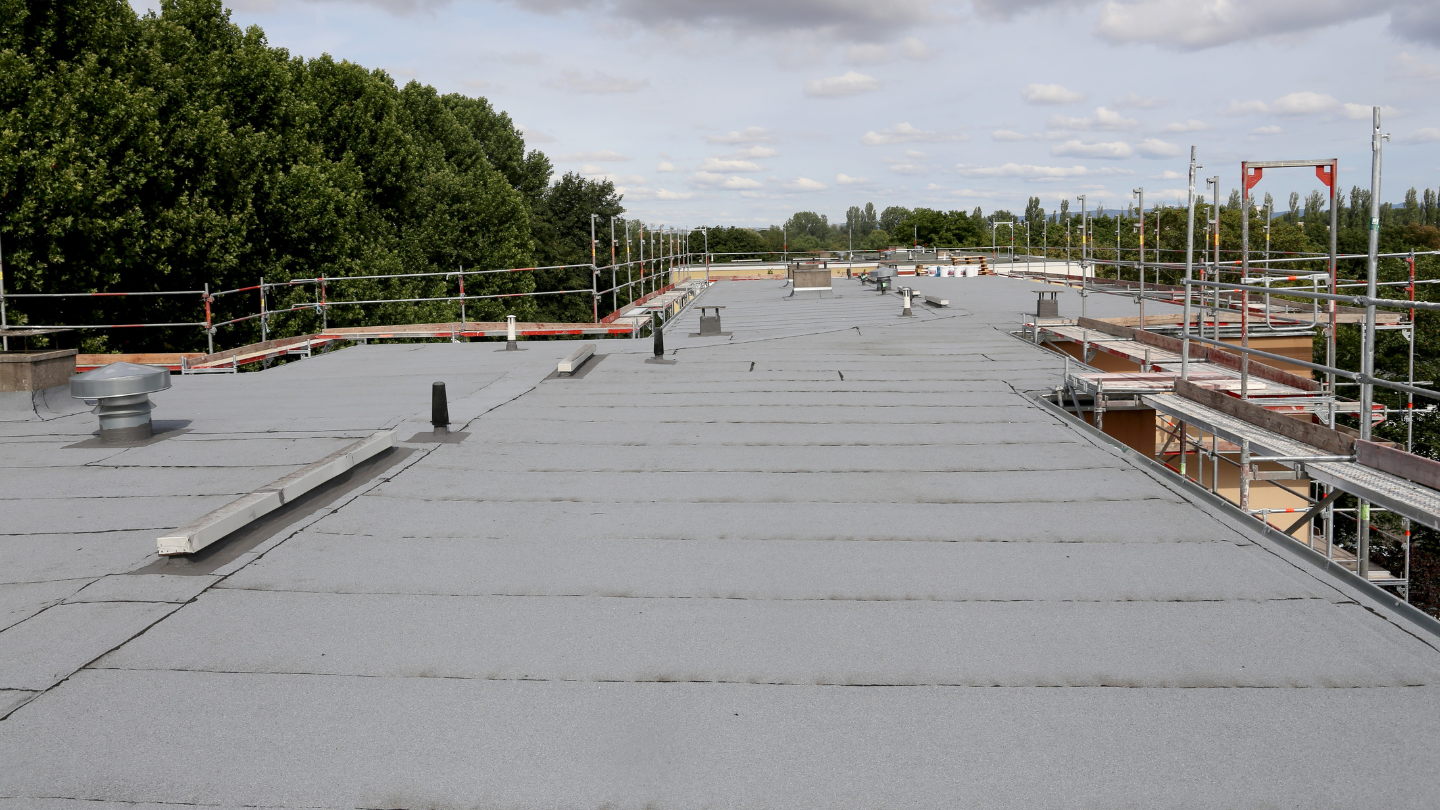
Bristol has a lot of flat roofs. Post-war extensions, 1960s and 70s bungalows, garage roofs, kitchen extensions on Victorian terraces - the city is full of them, and a good number are now approaching or past the end of their useful life. Felt flat roofs installed in the 1980s and 90s typically last 15 to 20 years, which means many properties across areas like Horfield, Knowle, and Filton are due for replacement if they haven't already had it. The question most homeowners ask isn't whether to replace - it's usually whether a repair can hold things off a bit longer, and which material to use when the time comes. This guide covers both.
How Do You Know It's Time to Replace Rather Than Repair?
A single localised leak doesn't automatically mean the roof needs replacing. If it's a clear puncture, a failed upstand at the edge, or a split directly around a rooflight, a targeted repair can often buy several more years from an otherwise decent roof.
The signs that repair is no longer the right answer are usually a combination of things: felt that's cracking or bubbling across a wide area rather than just one spot, pooling water that isn't draining because the fall has been lost, soft or spongy areas when you walk on the deck (if it's accessible), and - the one that usually prompts people to call - a leak that's already been patched once or twice without really solving it.
Blistering is worth understanding because it's often misread. A blister in felt isn't automatically a failure - it forms when trapped moisture vapour expands in warm weather and pushes the felt up. But blistering across a large area suggests the felt's bond to the deck is compromised, and that tends to accelerate. Once water gets under the felt at one point, it can track some distance before it shows up inside.
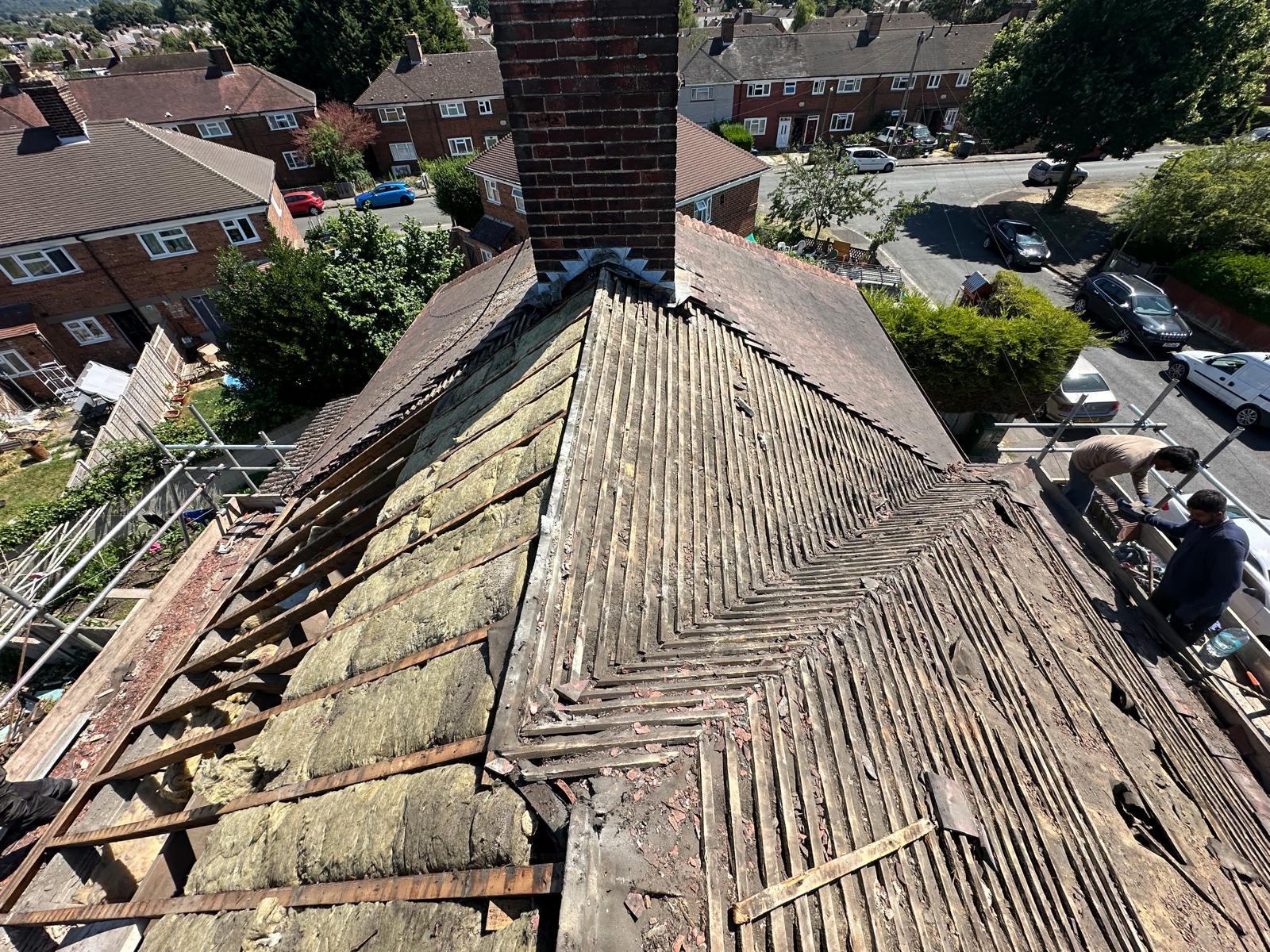
The waterproofing layer on a flat roof needs to be fully bonded and intact. Once it starts lifting or cracking across a wide area, repair becomes a short-term measure.
The Three Main Materials - Felt, EPDM, and GRP
If you're replacing a flat roof, you have three realistic options. Each has a different cost, lifespan, and suitability depending on the size and shape of the roof.
Traditional felt is still installed, usually as two or three layers bonded with bitumen. It's the cheapest option upfront and suited to straightforward, uncomplicated roofs. The downside is lifespan - 15 to 20 years is realistic for quality felt installed correctly, less if the drainage isn't right or the detail work at edges and upstands isn't done properly. It's not the first recommendation for a roof that's already been replaced once.
EPDM rubber has become the most common choice for domestic flat roofs over the last 15 years, and with good reason. It's a single piece of material bonded to the deck, so there are no joints to fail. It handles temperature movement well, which matters in the UK where roofs can go from very cold to quite warm inside a single day. A properly installed EPDM roof should last 30 to 50 years. It's also easier to repair cleanly if something does go wrong - a patch bonds to EPDM better than it does to ageing felt. For more detail on what's involved in the installation, see our flat roof installation service page.
GRP fibreglass is the third option, and it's the choice when you want the hardest-wearing surface. It's applied as a liquid, cures to a solid glass fibre shell, and is completely seamless. It takes foot traffic well and is a practical choice if the flat roof is used as a terrace or balcony. GRP costs a little more than EPDM but less than you might expect - the installation is more labour-intensive but the material itself is not especially expensive. The one limitation is that GRP doesn't handle movement as well as EPDM, so it's less suited to older buildings where the structure flexes slightly.
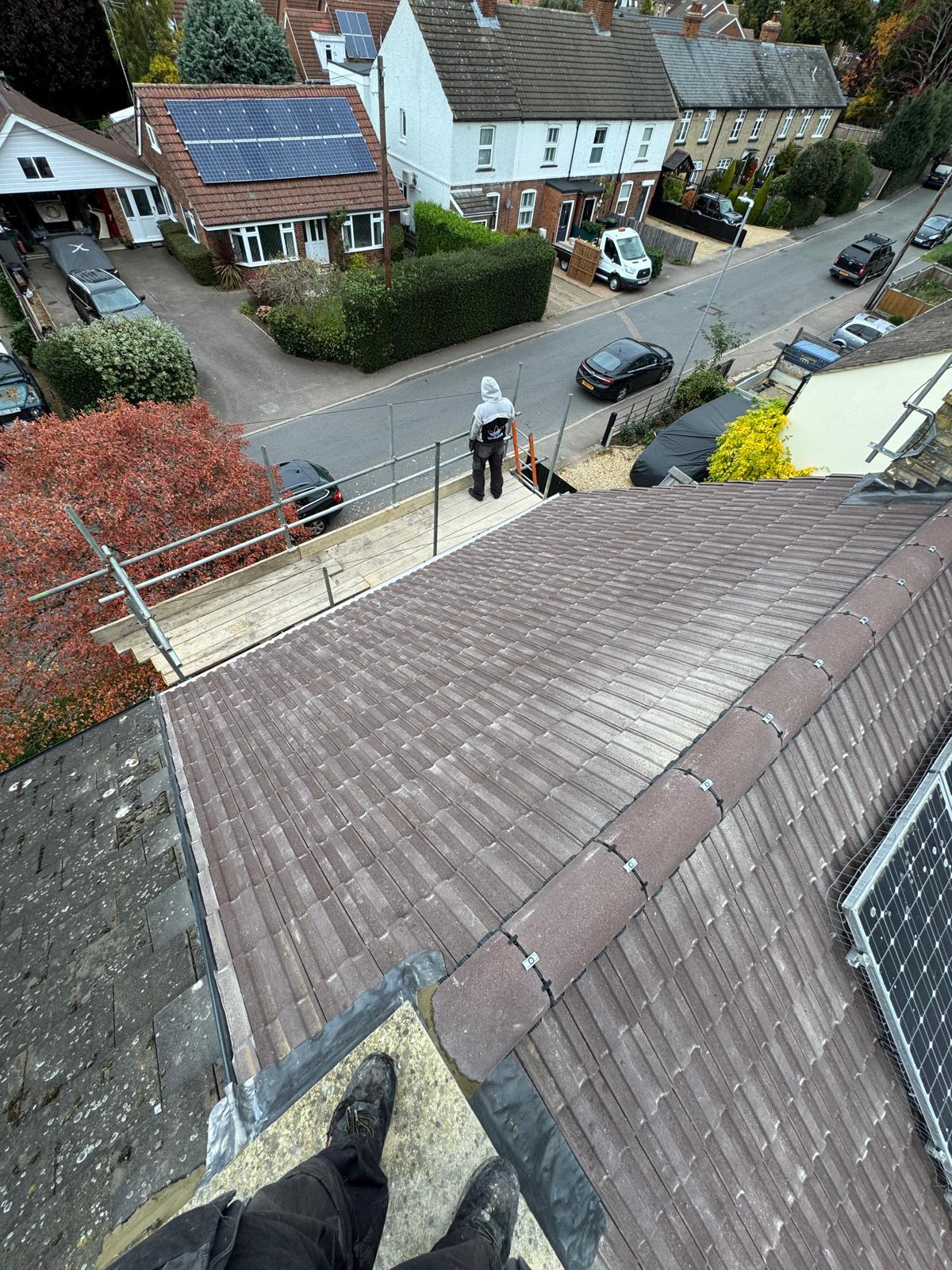
EPDM rubber flat roofing is now the most common domestic choice - single-piece, joint-free, and expected to last 30-50 years when properly installed.
What Does Flat Roof Replacement Cost in Bristol?
Cost varies quite a bit depending on the size of the roof, the material chosen, and what's found when the old covering is stripped back. Here are rough guide figures for a typical Bristol garage or single-storey rear extension:
- Felt flat roof replacement: £600 - £1,800
- EPDM rubber replacement: £900 - £2,500
- GRP fibreglass replacement: £1,000 - £2,800
These are for the roofing itself. If the deck - usually OSB or plywood boards - needs replacing because it's been wet for some time, add to those figures. Deck replacement is common on roofs that have been leaking quietly for a while before the owner noticed. We see it a lot on garage roofs in particular, where the ceiling isn't usually inspected and a leak can track for months undetected.
The insulation question also comes up. If the existing roof has no insulation (common on older extensions), replacing it is an opportunity to add a warm roof system above the deck, which significantly improves the thermal performance of the room below. This adds to the upfront cost but is often worth it - both for comfort and for any future EPC requirements if you're planning to sell.
Drainage - the Thing That Shortens Flat Roof Life Most
A flat roof isn't actually flat. It needs a slight fall - typically around 1:40, which works out at roughly 25mm per metre - to run water towards the outlet. When that fall is insufficient, or when debris blocks the outlet, water ponds on the surface. Ponding accelerates breakdown of every flat roofing material, particularly felt. It also adds significant weight if it freezes.
Bristol's autumn brings heavy leaf fall, and if the outlet on a flat roof is in a corner that collects leaves, it can block within days of a clear-out. Putting an outlet guard over the drainage point and checking it at least twice a year is about as low-cost a maintenance measure as exists in roofing. It genuinely extends flat roof life.
If the fall on your existing roof is wrong - if water consistently ponds even when the outlet is clear - that needs to be corrected as part of any replacement. A new felt, EPDM, or GRP surface over a deck that still doesn't drain properly will fail earlier than it should.
Correct fall and clear drainage outlets are the two things that extend flat roof lifespan most - both are easy to check and cheap to maintain.
What Happens During a Flat Roof Replacement?
The process is fairly straightforward. The old covering is stripped back to the deck, which is then inspected for soft spots or damage. Any rotten or waterlogged boards are cut out and replaced. The new membrane or GRP system is then applied, with all upstands, edge trims, and drainage outlets properly detailed.
For EPDM, the membrane is cut to size, bonded across the full deck, and dressed up the walls and parapets to create a watertight seal at every edge. The whole roof is effectively one piece. For GRP, the deck gets a fibreglass mat and resin applied in layers, curing to a solid surface. For felt, multiple layers are torched down in sequence.
Most domestic flat roof replacements take one to two days. Larger roofs, or those with significant deck repair needed, can take longer. The roof should be watertight by the end of each working day - we won't leave an exposed deck overnight. The National Federation of Roofing Contractors recommends that all flat roofing work is carried out to BS 8217 (for felt) or the relevant manufacturer's installation standards for EPDM and GRP - ask any contractor whether they follow these standards and what guarantee they offer on the finished work.
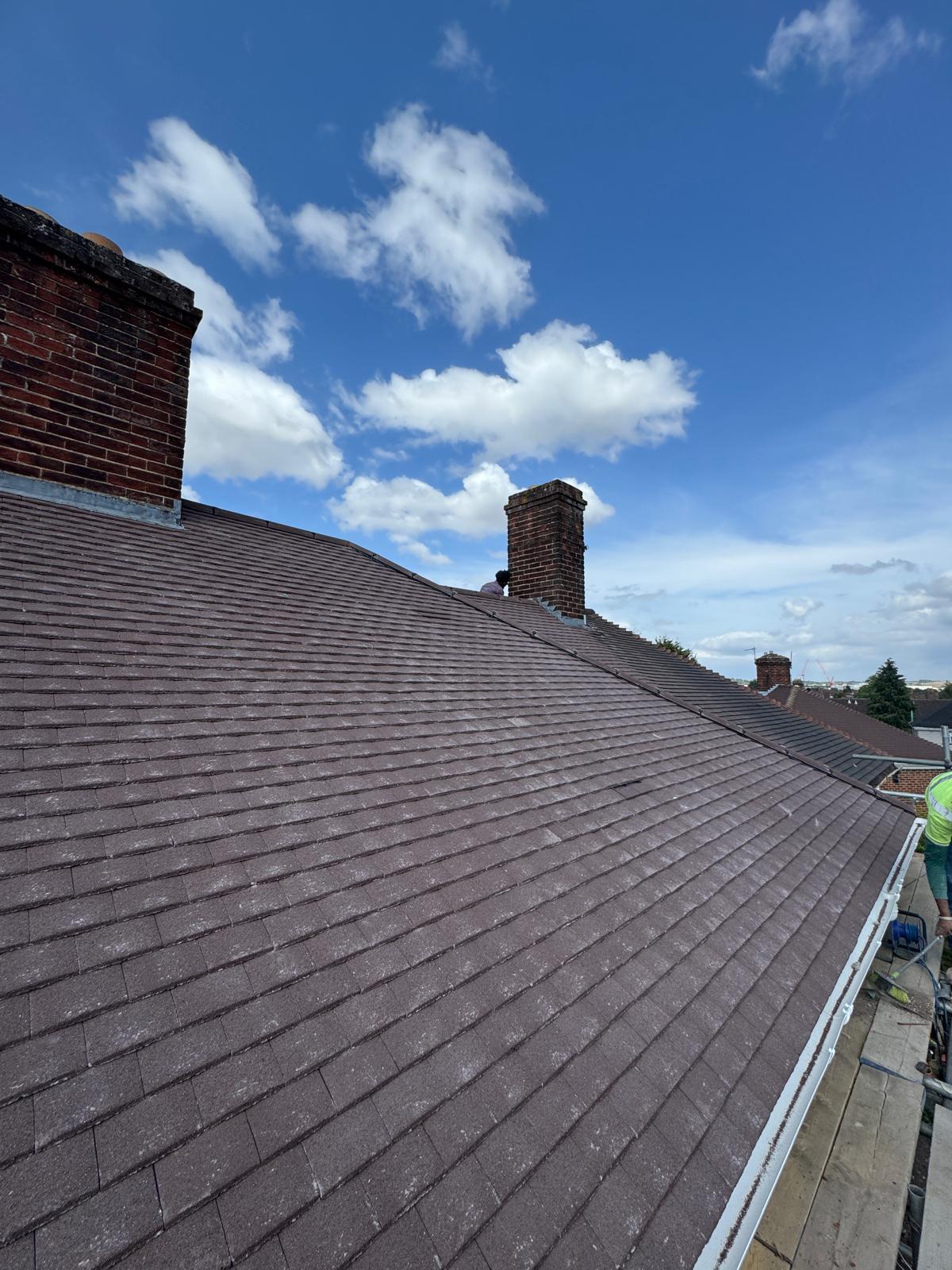
A flat roof replacement is usually a one to two day job. The deck is inspected, any damaged boards replaced, and the new waterproofing system installed and detailed at all edges.
Choosing a Contractor - What to Ask
Flat roofing has its share of poor workmanship, and a bad flat roof installation tends to fail quietly - slowly tracking water until you see it on the ceiling. By then, there's often deck damage that wouldn't have occurred with a decent job the first time.
A few things worth checking before you commit. Does the contractor carry public liability insurance? Can they show you examples of previous flat roofing work, or provide contact details for recent customers? Do they offer a written guarantee on the workmanship, separate from the manufacturer's material guarantee? For EPDM in particular, the material itself carries a long manufacturer's warranty, but that doesn't cover installation errors - those are covered by the contractor's own guarantee, which is why it matters.
The TrustMark government-endorsed scheme covers roofing contractors and requires members to meet standards for trading practices, insurance, and technical competence. It's a useful filter if you're starting from scratch without a personal recommendation.
You can also read our post on gutters and downpipes in Bristol if you're thinking about the wider drainage picture at the same time as the flat roof work - the two often go together on rear extensions.
Frequently Asked Questions
Not sure whether your flat roof needs repairing or replacing?
We offer free assessments across Bristol and the surrounding areas. We'll inspect the roof, tell you honestly what we'd recommend, and give you a clear written quote - no obligation.
Book a Free Assessment