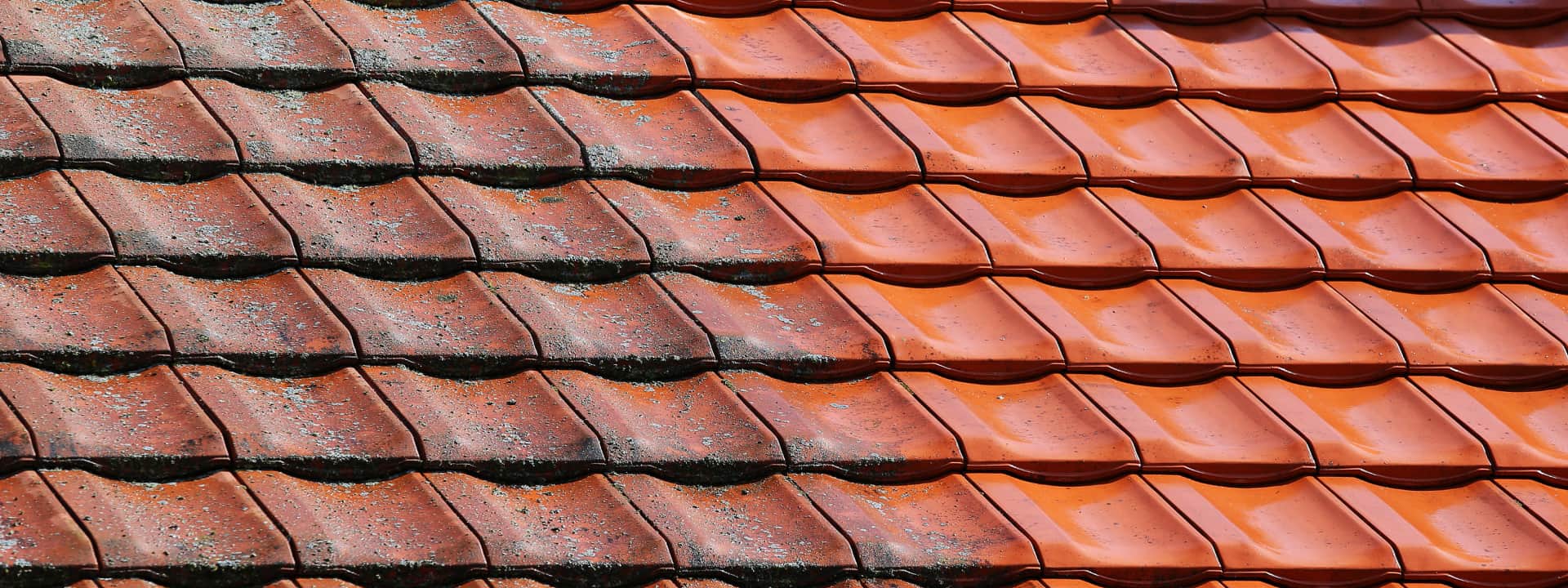
Stand at the end of your road in a lot of Bristol suburbs and you'll see it: roofs gone green, tiles furred with moss, black streaks running down north-facing slopes. It's one of the most common things people ask us about, usually with two questions attached - does it actually matter, and what's the safe way to get rid of it? The short version is that it depends on your roof, and that the way most people try to remove it does more harm than the moss ever would. Here's the full picture.
Why Bristol Roofs Go So Green
Moss, algae and lichen need three things to thrive: moisture, shade, and a surface to grip. Bristol hands them all three on a plate. The city gets well over 800mm of rain a year, the winters are mild and damp rather than hard and dry, and the air off the Severn stays humid for long stretches. That's close to perfect growing conditions for most of the year.
Some roofs cop it worse than others. North-facing slopes get little direct sun, so they stay damp and shaded and grow the thickest moss. And the leafier the area, the worse it gets - homes in Bishopston, Redland, Henleaze, Stoke Bishop and Sneyd Park sit under mature trees that drop leaves and debris onto the roof and cast shade that stops it drying out. All that organic matter sitting in the tile joints is exactly what moss roots into.
The type of roof matters too. Older porous clay tiles and natural slate, which cover so much of Bristol's Victorian stock, give moss an easy grip. And concrete tiles from the postwar estates lose their smooth surface coating over time, roughening up and becoming a moss magnet in their later years.
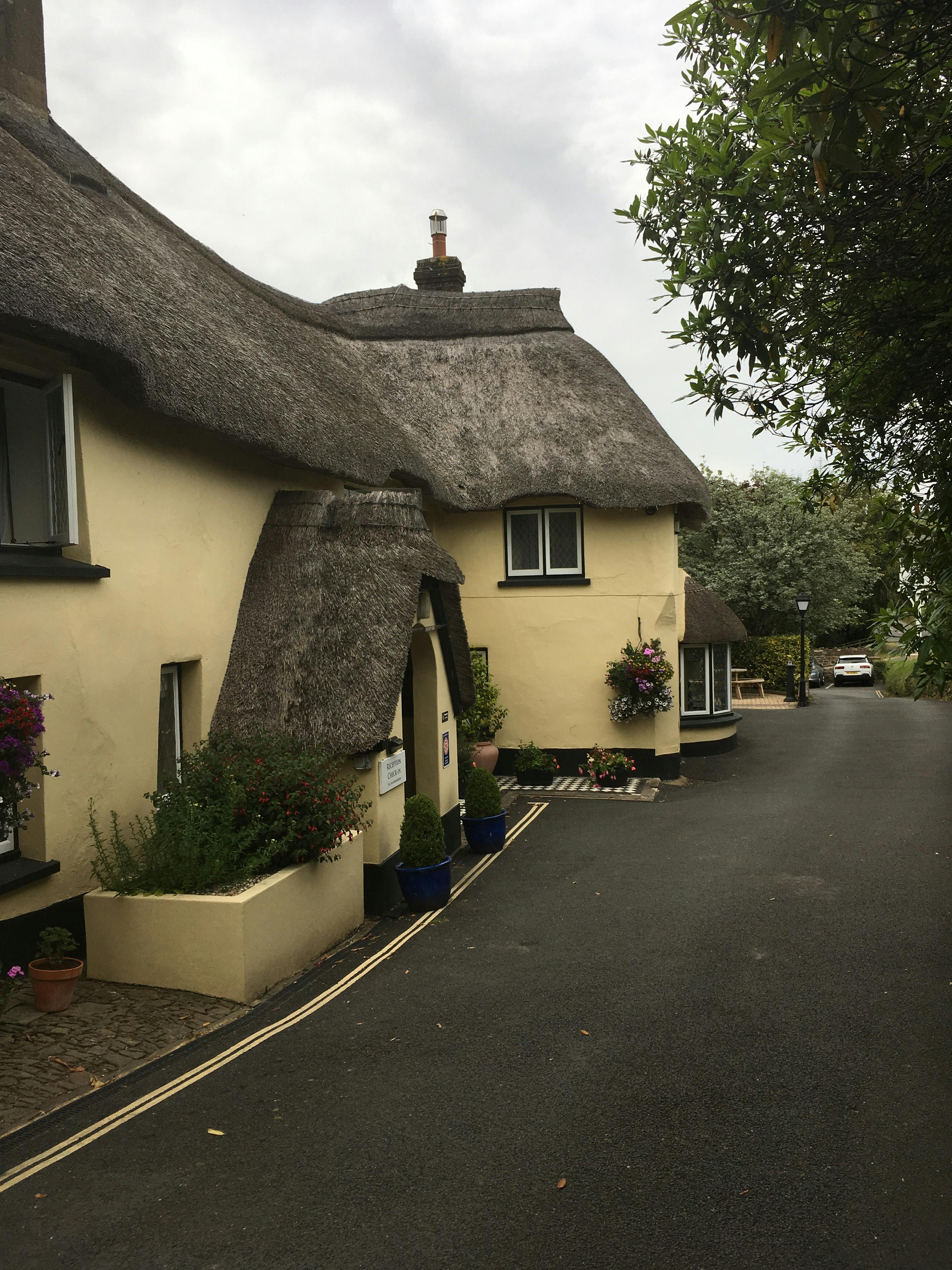
Bristol's mild, wet climate and leafy suburbs give moss ideal conditions - north-facing slopes under trees are always the worst affected.
Does Moss Actually Damage a Roof?
Time for some honesty, because there's a fair bit of scaremongering from firms that clean roofs for a living. A thin film of green algae on a sound roof is mostly cosmetic. It looks tired. It isn't doing much harm on its own.
Thick moss is a different story, and it causes real problems in three ways:
- It holds water against the tiles. Moss acts like a sponge, keeping the tile surface permanently damp. In winter that trapped water freezes, expands, and accelerates frost damage - the porous face of an old tile flakes away faster.
- It blocks gutters and valleys. Clumps of moss break off and wash down into the gutters and valley gutters, where they dam up and cause water to back up under the tiles or overflow down the wall. A large share of the gutter blockages we clear in Bristol are moss, not leaves.
- It lifts tile edges and gets under laps. Growing moss can work its way under the overlaps between tiles, lifting edges slightly and giving water a route in.
So the honest answer: on a newer, sound roof, light growth isn't urgent. On an older roof, or one that's already showing wear, heavy moss is worth dealing with before it speeds up problems you'd rather avoid. If your gutters keep clogging, our guide to gutters and downpipes in Bristol covers what that leads to.
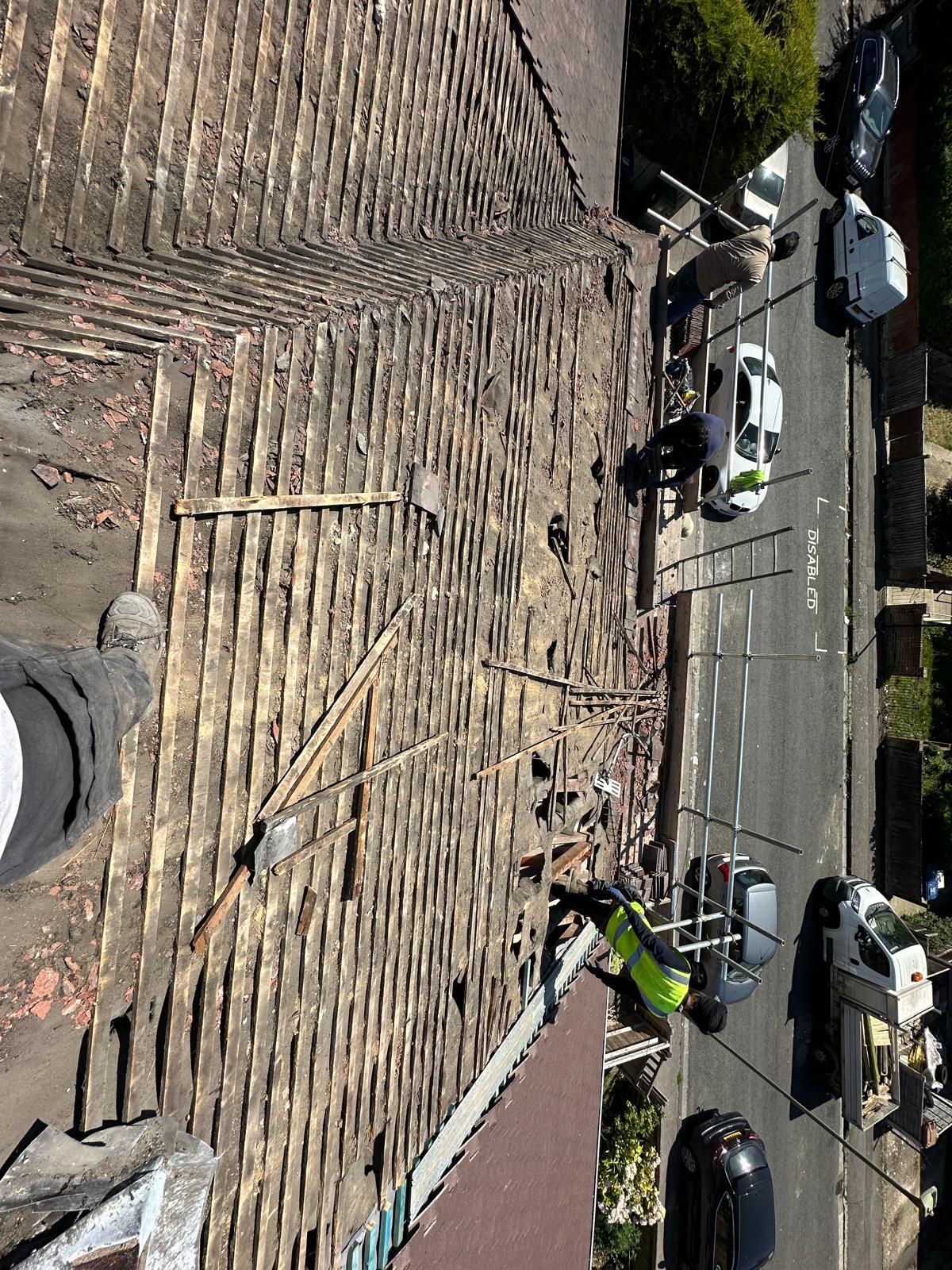
Thick moss keeps tiles permanently wet, which speeds up frost damage - and the clumps that break off are a leading cause of blocked gutters.
Why You Should Never Jet-Wash a Roof
If you take one thing from this article, make it this. When a roof goes green, the instinct is to get a pressure washer up there and blast it clean. Don't. It's the single most damaging thing you can do to a roof, and we get called out to clean up after it more often than we'd like.
Here's what a jet wash actually does. The high-pressure water strips the protective surface coating clean off concrete tiles, exposing the rough, porous concrete underneath - which then soaks up water and grows moss back faster than before. It forces water up under the tile laps and into the roof space, where it soaks the felt and timbers. And on brittle old clay tiles and natural slate, the pressure cracks and chips them outright.
The roof looks brilliant for about a fortnight. Then it weathers at speed, and you've taken years off its life for a short-lived clean. Any firm that turns up offering to pressure-wash your roof is telling you they don't understand roofs. The correct method is slower and gentler, which is the next section.
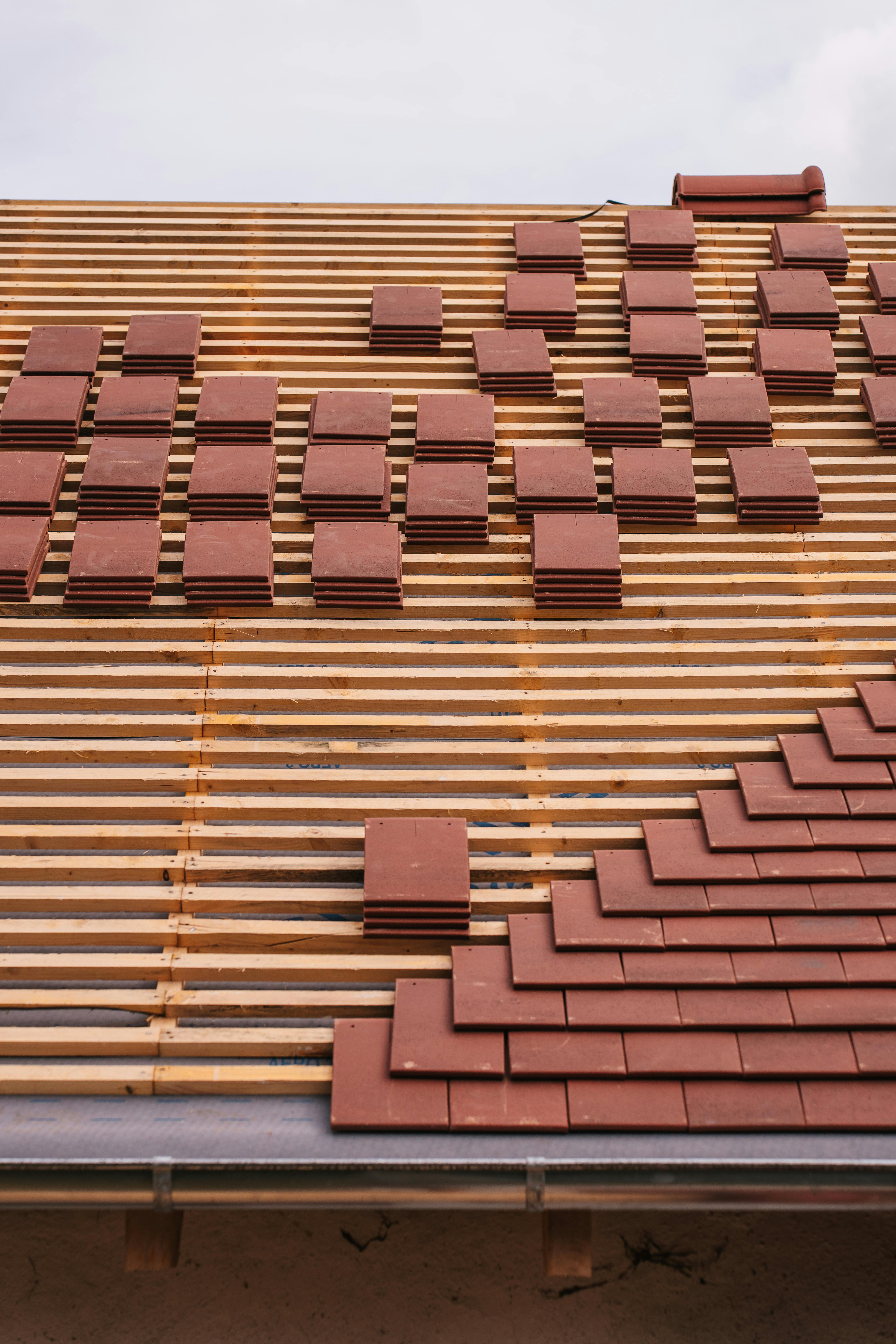
A pressure washer strips the protective coating off tiles and drives water into the roof - it leaves the roof looking clean but weathering far faster.
How a Roof Should Actually Be Cleaned
Proper roof cleaning is a manual, patient job, done from a scaffold or tower with the roofer working safely rather than balancing on the tiles. It goes like this:
- Manual removal. The bulk of the moss is scraped and brushed off by hand, working down the slope so debris falls away rather than being pushed under the laps. No pressure washer involved.
- Clearing the gutters and valleys. All the moss that comes off has to be cleared out of the gutters and valley gutters, or you've just moved the blockage.
- A biocide treatment. Once the roof is physically clear, a proper roof biocide is applied. This kills off the remaining spores and roots that scraping can't reach, and it keeps working for a good while, slowing regrowth. It's applied at low pressure and left to do its job - it isn't rinsed off.
- Checking the roof over. With someone up there anyway, it's the ideal moment to spot slipped tiles, failing pointing or early problems, which is often more valuable than the clean itself.
That last point matters. Cleaning a roof gets a close-up look at a part of the house you never normally see, so it doubles as an inspection. If anything's found, our roof repair service covers the fixes.
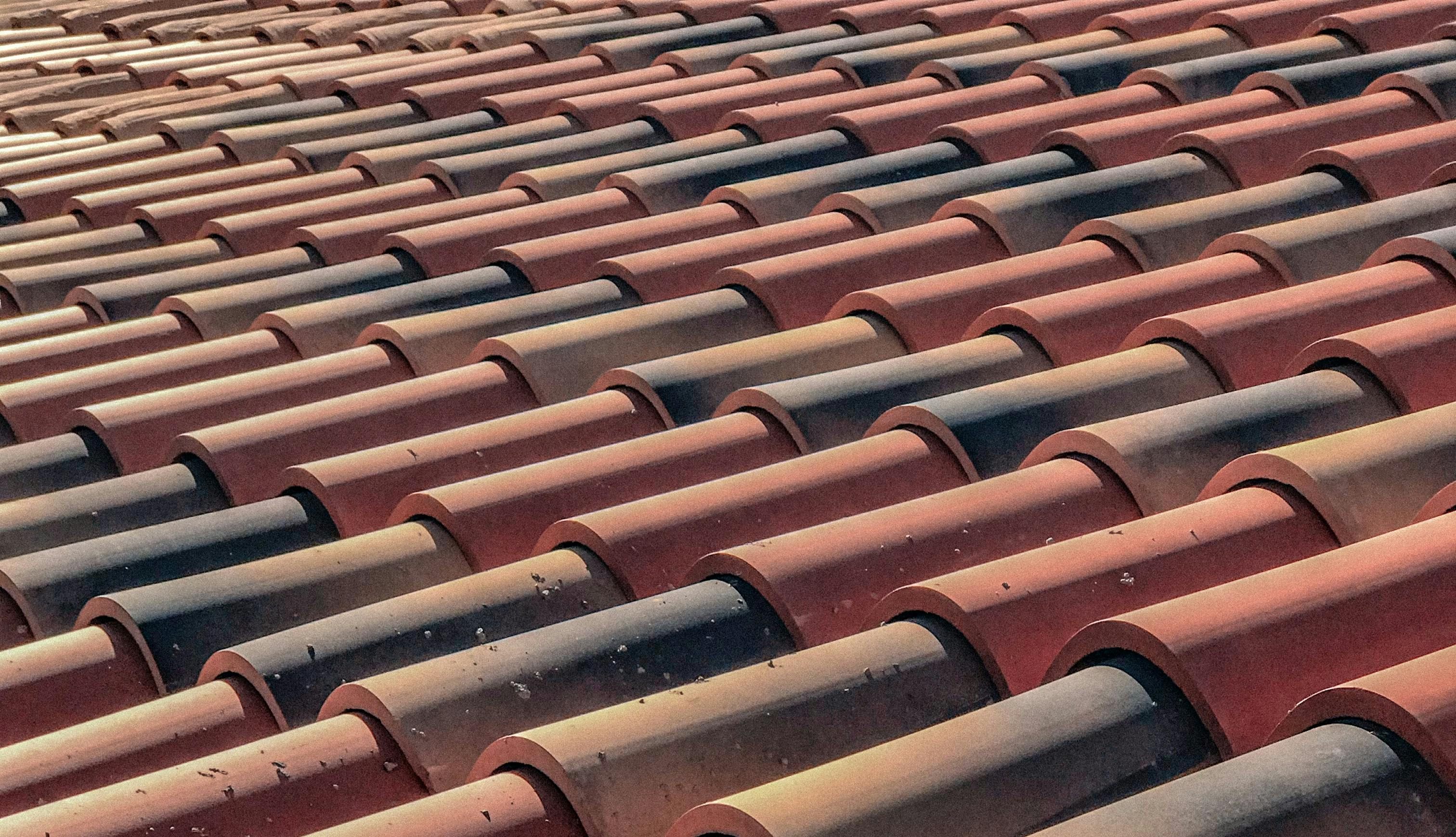
Moss is scraped and brushed off by hand from a scaffold, the gutters are cleared, then a biocide is applied to slow regrowth - no jet wash at any stage.
What Roof Cleaning Costs in Bristol (2026)
Guide prices for professional moss removal and treatment on a typical Bristol property in 2026:
- Manual moss removal and biocide, semi-detached: £300 - £700
- Larger detached or complex roof: £600 - £1,200
- Biocide-only treatment (light algae, no heavy moss): £150 - £400
- Gutter clearing alongside: often bundled in, or £80 - £150 on its own
Access is the big variable. Most roof cleaning needs safe working at height, so a scaffold or tower is part of the cost, and a steeper or higher roof costs more to reach. Be wary of a suspiciously cheap quote - it usually means either a pressure washer (which damages the roof) or someone working off a ladder they shouldn't be on. When choosing anyone for work on your roof, the National Federation of Roofing Contractors lists vetted members, and the TrustMark scheme lets you check they meet consumer-protection standards.
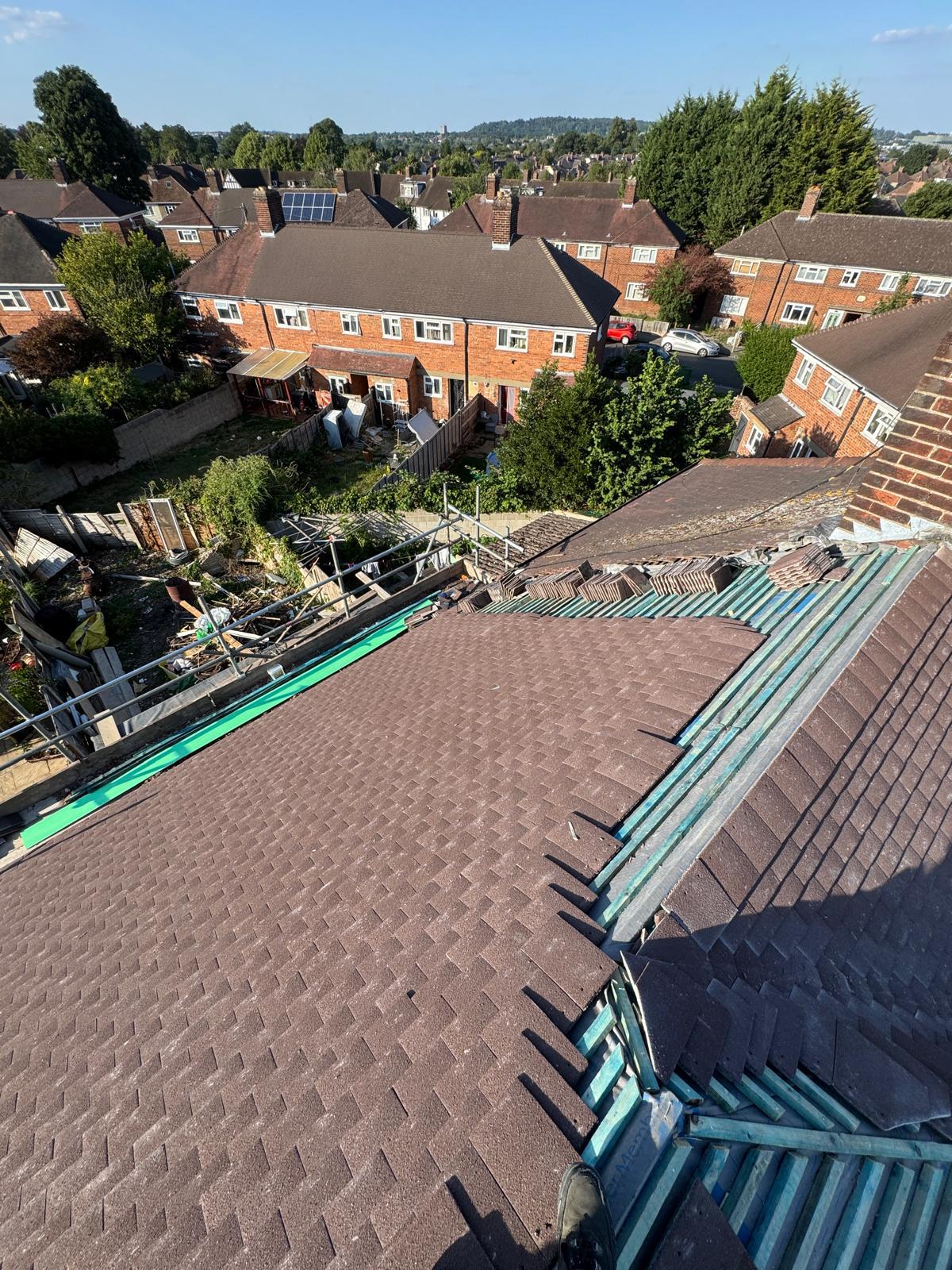
A properly cleaned roof, done by hand and treated with biocide, stays clear for years - and the job doubles as a close-up inspection of the tiles.
Keeping Moss Under Control
You won't stop moss for good in a climate like Bristol's, but you can keep it from taking over. A few things genuinely help:
Keep the gutters clear so water drains properly and doesn't sit around the eaves feeding growth. Cut back overhanging branches where you can - more light and airflow onto the roof means it dries out faster and moss struggles. And consider zinc or copper strips fitted near the ridge: when it rains, they release trace amounts of metal that wash down the slope and discourage regrowth. It's a cheap, discreet, long-term measure.
A periodic biocide treatment every few years keeps things in check without the disruption of a full clean each time. Roofs that are surveyed for a house sale often get flagged for moss, so if you're planning to sell, dealing with it tidily can head off a point on the buyer's survey report - something the RICS home survey guidance treats as a maintenance issue worth noting.
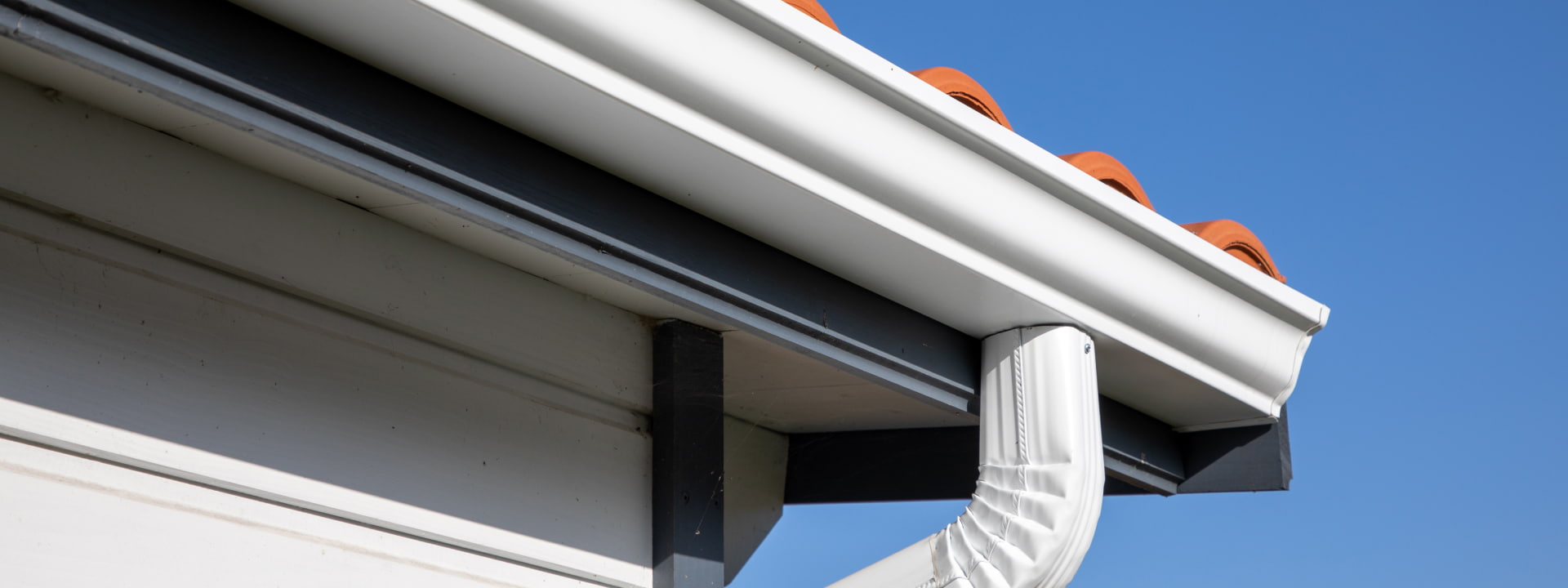
Clear gutters, cut-back branches and a periodic biocide keep moss manageable - it will always try to return in Bristol's damp climate, but it needn't take over.
Frequently Asked Questions
Roof gone green?
We remove moss the proper way - by hand, from a scaffold, with a biocide treatment - never with a pressure washer. And we'll check the roof over while we're up there. Book a free, no-obligation assessment and we'll tell you honestly whether it needs cleaning at all.
Book a Free Assessment