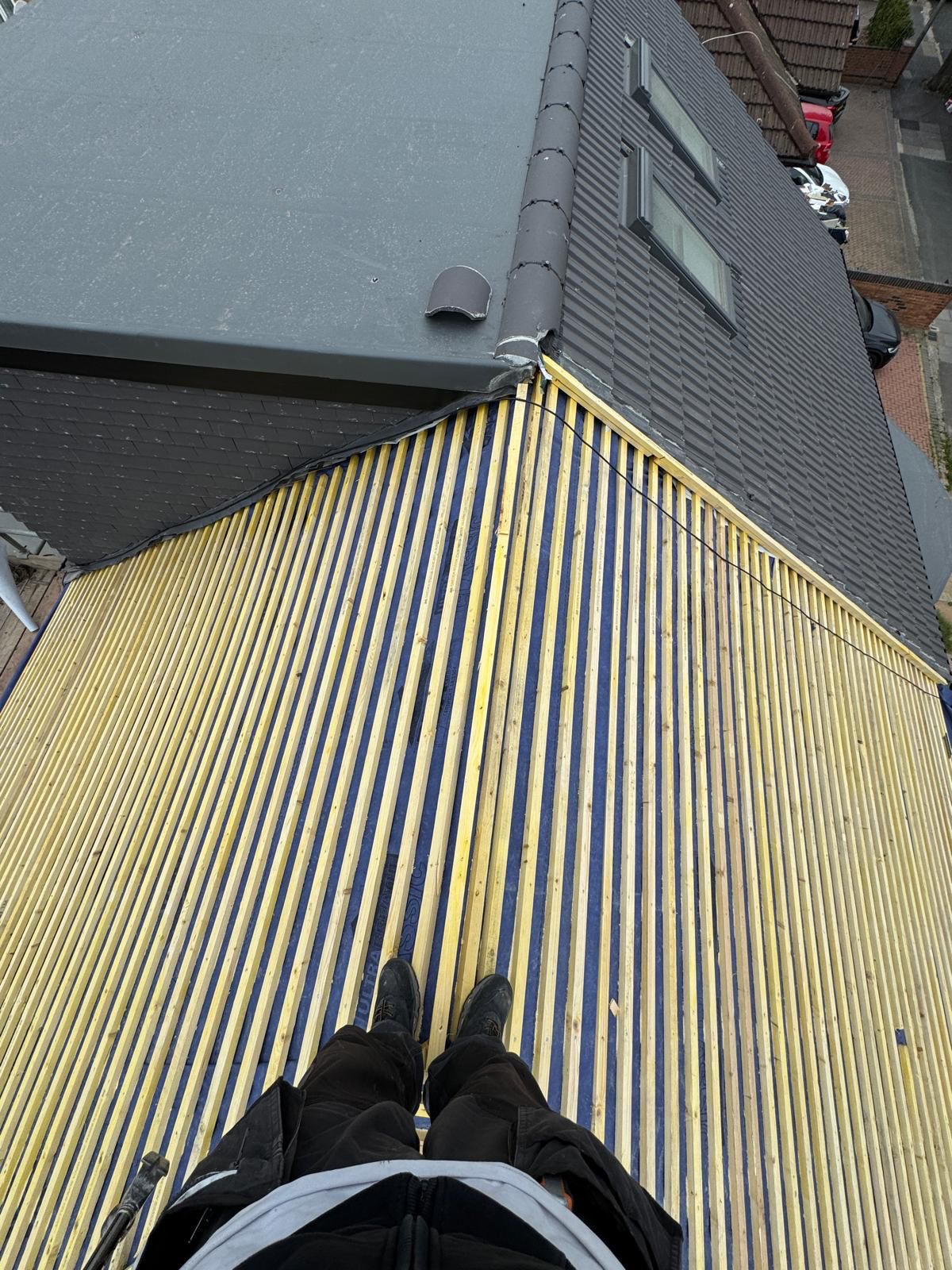
You go up into the loft looking for the source of a damp patch, and you find the underside of the roof covered in droplets, the nails wet and rusting, and black spots of mould spreading across the felt. It looks like the roof is leaking. Very often, it isn't. What you're looking at is condensation - a ventilation problem, not a hole in the roof - and it's one of the most misdiagnosed issues we see in Bristol homes. This guide explains how to tell the two apart and what actually fixes it.
Is It a Leak or Is It Condensation? How to Tell the Difference
This is the first thing to establish, because the fix is completely different. Chasing a leak that doesn't exist wastes money, and treating condensation as if it were a leak never solves anything.
A leak is usually specific. The damp appears in one place, it gets noticeably worse during and just after rain, and if you follow the water back up you can often trace it to a point above - a slipped tile, a failed flashing, a cracked mortar joint. The stain tends to have a defined edge, sometimes with a brown tide mark.
Condensation is diffuse. Instead of one wet patch you get light dampness spread across the underside of the felt, beads of water on the nail points, and a general musty feel to the whole loft. The giveaway is timing: if the loft is wet on a cold, dry morning when it hasn't rained for days, water isn't coming in from outside. It's forming on the inside because warm, moist air from the house is meeting a cold roof. Black spot mould on the felt and timbers is another strong sign - leaks rarely produce that even, speckled mould pattern. If you're still unsure, our guide to lead flashing repairs in Bristol covers what a genuine flashing leak looks like for comparison.

A proper inspection tells condensation apart from a leak - the pattern of the damp, not just its presence, is what gives it away.
Why Bristol Lofts Are Especially Prone to Condensation
Bristol has a housing stock and a climate that combine to make loft condensation more common here than in a lot of the country. The city is full of Victorian and Edwardian terraces - Bedminster, Easton, Totterdown, Southville, St George - built with cold, well-ventilated roof spaces that worked perfectly well when they had draughty eaves and no insulation.
Two things changed. First, the climate we ask those roofs to cope with is wet: Bristol sees well over 800mm of rain a year and long spells of damp, humid air pushing in off the Atlantic. Second, and more importantly, we've spent the last couple of decades sealing houses up and insulating them - often without touching the ventilation that used to keep the loft dry.
Modern living adds a lot of moisture to the air inside a house: showers, drying washing on radiators, cooking, even breathing. That moisture rises, and in an airtight, well-insulated house it has nowhere to go but up into a cold loft, where it condenses on the first cold surface it meets. The roofs haven't got worse - the way we use the houses below them has changed.
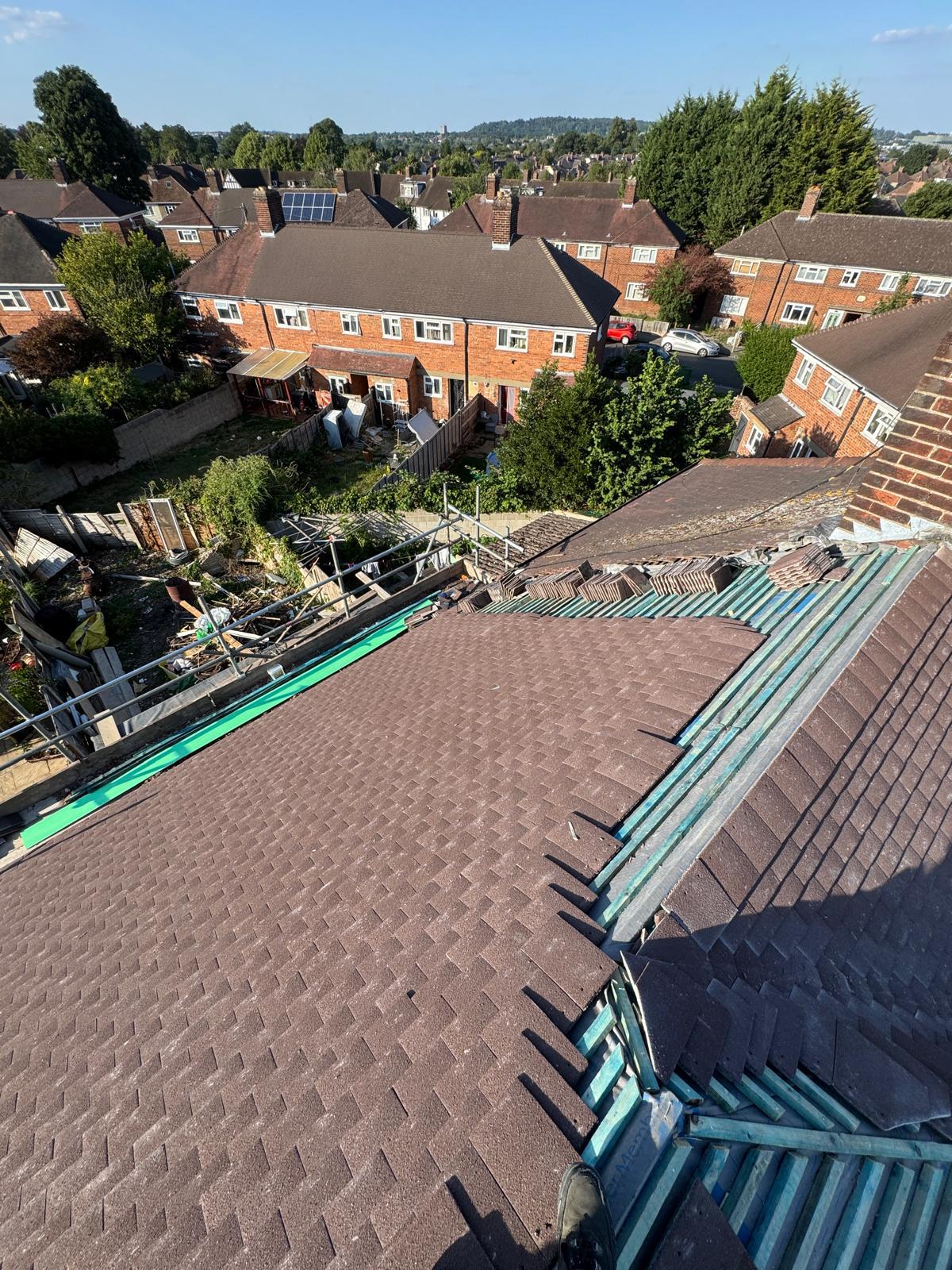
Bristol's Victorian and Edwardian terraces were built with draughty, well-ventilated lofts - insulating and sealing the house below without restoring that airflow is what causes condensation.
What Actually Causes Poor Roof Ventilation
A cold roof - the standard pitched roof with insulation at ceiling level - relies on air moving through the loft to carry moisture away. When that airflow stops, condensation starts. Here are the causes we find most often in Bristol homes:
- Insulation stuffed into the eaves: By far the most common one. When loft insulation is laid - especially the thick modern depths added under grant schemes - it often gets pushed right into the eaves, blocking the gap where air used to enter. We see this constantly on jobs where a homeowner had insulation topped up and the loft went damp within a year.
- No ventilation designed in at all: Older roofs relied on natural draughtiness. Once the felt and eaves are sealed up during a re-roof without vents being added, the loft can become a sealed box.
- The wrong underlay: Traditional bitumen felt (a 1F underlay) is not breathable. If it's used without ventilation, moisture is trapped against it. Modern breathable membranes help, but they are not a complete substitute for actual vents.
- Loft conversions done without ventilation detailing: Bristol has a huge number of loft conversions, particularly in Bishopston, Horfield, Redland and Clifton. When the insulation is fitted tight to the rafters without a ventilation gap or a proper warm-roof build-up, condensation forms in the void.
- Bathroom and kitchen extractor fans venting into the loft: More common than you'd think. A fan that dumps warm, wet air straight into the roof space instead of outside is effectively pumping condensation into it.
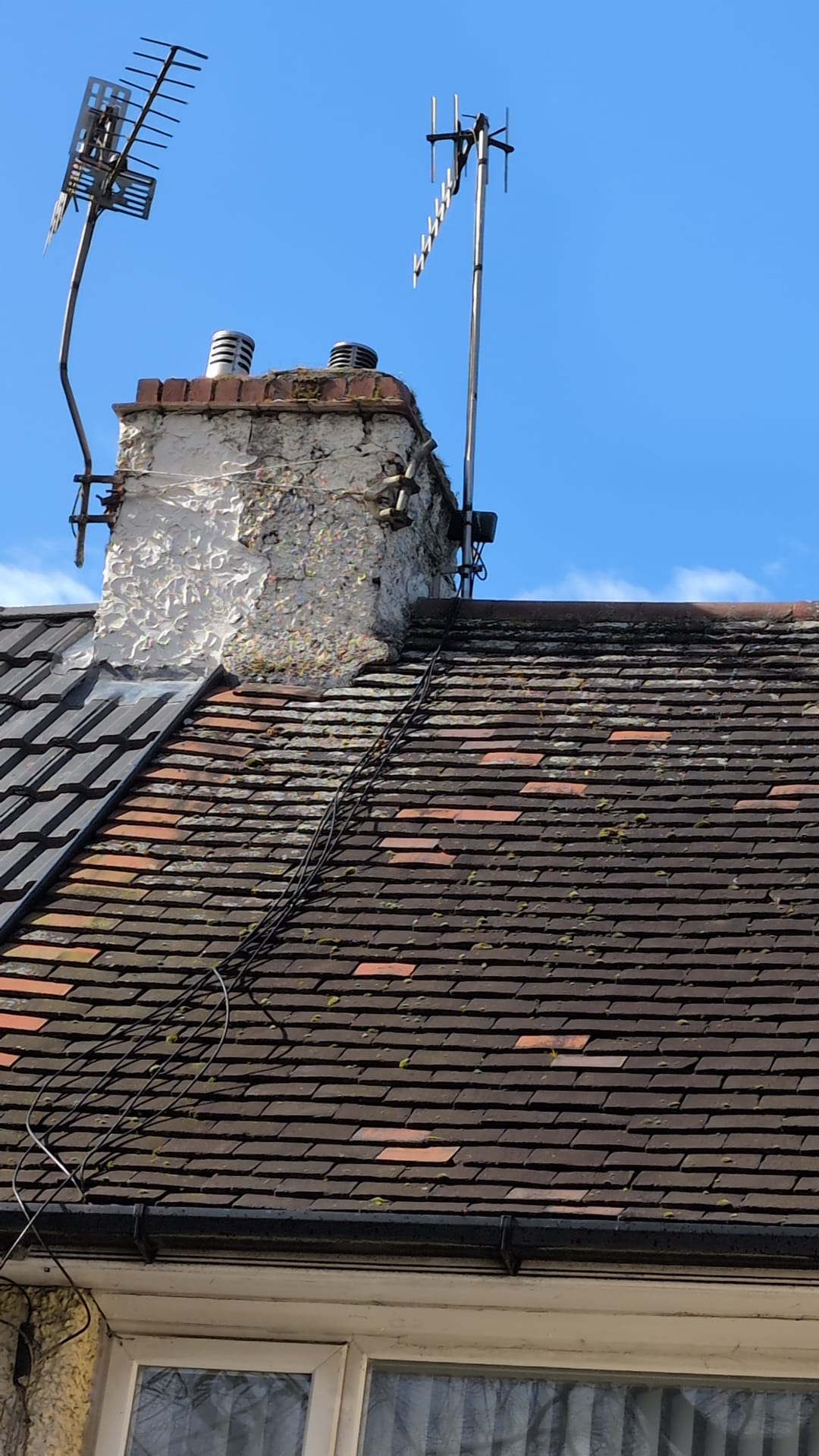
Insulation pushed tight into the eaves is the single most common cause we find - it blocks the airflow the loft depends on.
The Damage Condensation Does If You Ignore It
A bit of loft damp is easy to shrug off, especially when nothing's actively dripping. But condensation does real damage, and it adds up. Because it's all happening out of sight above the ceiling, it usually runs for years before anyone thinks to look.
The first casualty is usually the insulation. Wet insulation loses the large majority of its thermal value, so the loft that was insulated to save money on heating is now quietly costing more - and the damp makes the house feel colder and harder to warm.
Next are the timbers. Rafters, joists and battens that stay damp through winter after winter develop wet rot. That is a slow process, but it's a serious one: once structural timber starts to go, you're no longer looking at a ventilation fix but at timber repairs and potentially a partial re-roof. Damp also corrodes the nails holding tiles and slates, which weakens the whole covering.
Then there's the mould. Black spot mould in the loft doesn't stay in the loft - spores travel down into the rooms below, and in a house with children, elderly residents or anyone with a respiratory condition, that's a genuine health concern rather than just an eyesore. If the damp has already started affecting the roof structure, our guide on whether you need a roof replacement in Bristol covers the warning signs to watch for.
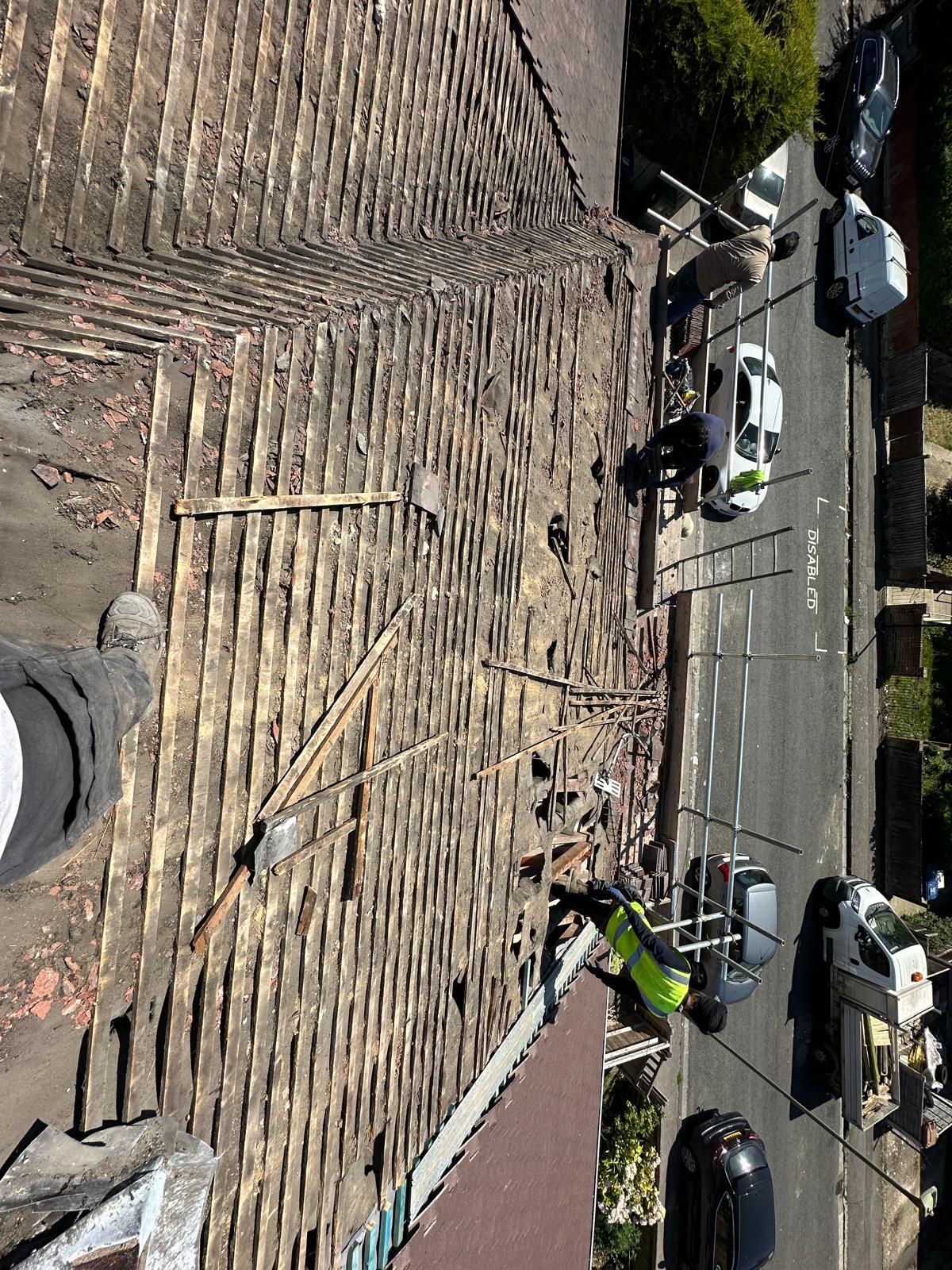
Left unaddressed, condensation soaks insulation, rots timbers and corrodes fixings - a cheap ventilation fix becomes a structural repair.
How We Fix Ventilation Problems in Bristol Roofs
Here's the reassuring part: most loft condensation is cheap and simple to fix, as long as someone's actually diagnosed it rather than guessed. The aim is basic - get air moving through the roof space again so moisture is carried out before it can settle on a cold surface. Depending on how the roof was built, that means one or more of the following:
- Soffit vents: Circular or continuous vents fitted into the soffit boards under the eaves, letting air in at the lowest point of the roof. Often the simplest and most effective first step.
- Over-fascia vents: Where there's no soffit or it can't be drilled, a continuous vent strip fitted at the top of the fascia does the same job.
- Eaves ventilation trays: Rigid trays fitted at the eaves that hold the insulation back and keep a clear air path open - the direct fix for the "insulation stuffed in the eaves" problem.
- Ridge ventilation: Vents along the ridge line let warm, moist air escape at the highest point, creating a flow from eaves to ridge. Particularly effective on larger roofs.
- Felt lap vents and tile vents: Individual vents added into the roof covering where continuous ventilation isn't possible, useful on many Bristol terraces.
- Redirecting extractor fans: Making sure bathroom and kitchen fans vent to the outside air, not into the roof space.
Which combination is right depends entirely on how your roof was built, which is why we always look at the loft and the roof together before quoting. For anything involving the covering itself, our roof repair service covers the work. When choosing anyone to carry out roofing work, it's worth using a vetted contractor - the National Federation of Roofing Contractors has a searchable directory of assessed members.
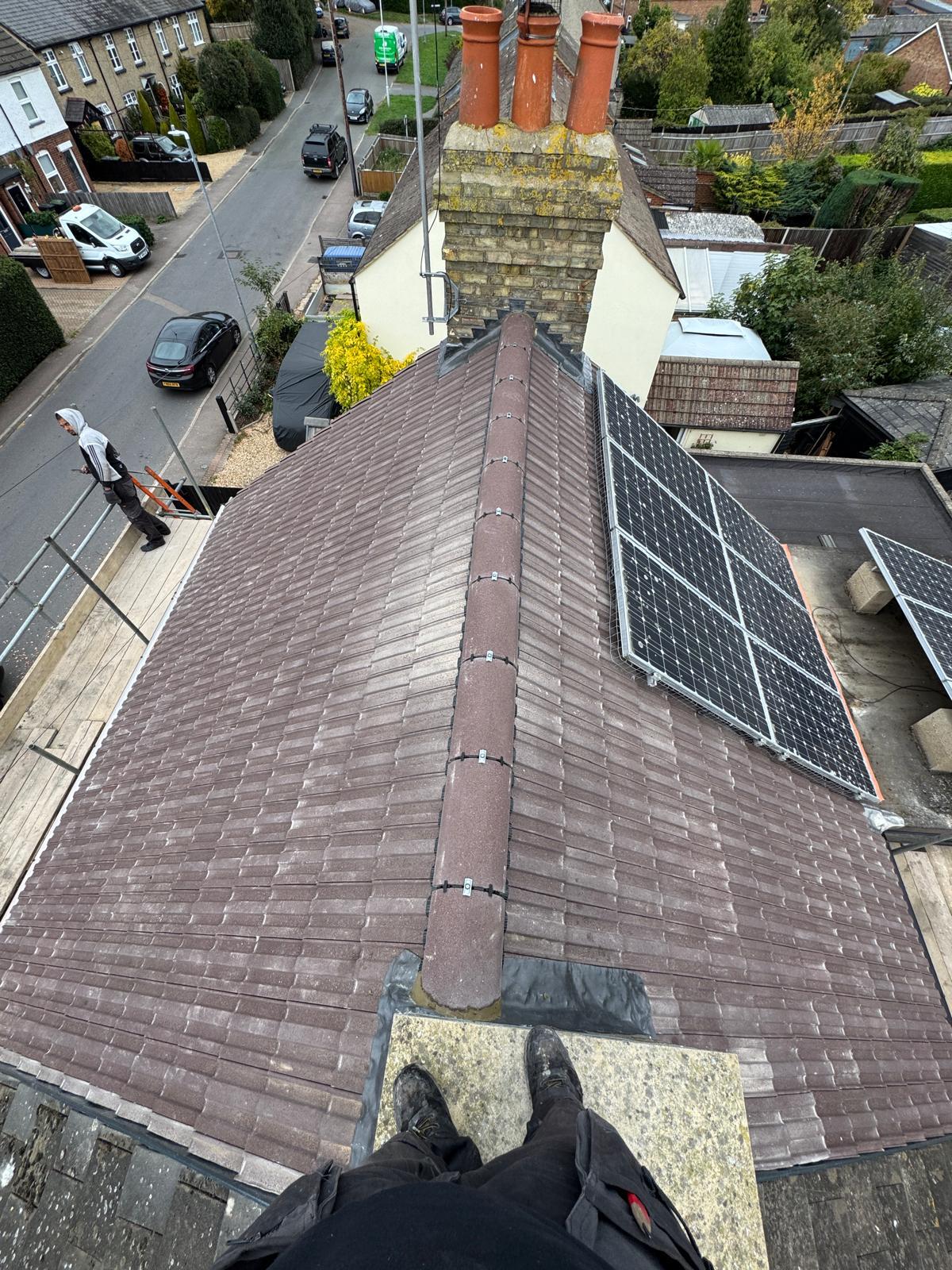
Restoring airflow from eaves to ridge is usually a quick, affordable fix - far cheaper than the timber repairs that follow if it's ignored.
What It Costs and Whether You Need Approval
Ventilation fixes are among the more affordable roofing jobs. Adding soffit or over-fascia vents to an existing roof in Bristol usually falls between £300 and £900 depending on the length of the roof and how easy the eaves are to reach. Eaves trays fitted alongside are inexpensive. Ridge ventilation and tile vents cost more, particularly if they're added as part of wider roof work, but they're still a fraction of the cost of the timber repairs that follow years of ignored condensation.
On approvals: adding ventilation to an existing roof doesn't normally require planning permission, and straightforward vent installation is generally covered by permitted development. The technical standard for ventilation is set out in Approved Document F of the Building Regulations, which is the reference any competent roofer works to. If the work is part of a loft conversion or a full re-roof, it should be built to meet those requirements from the start.
One point worth making for Bristol's period and conservation-area properties: if your home is listed or in a conservation area - and large parts of Clifton, Redland, Cotham and Montpelier are - some external vent types may need to be chosen carefully to avoid affecting the appearance of the roof. We can advise on discreet options during the assessment. For broader guidance on hiring tradespeople, the NHBC publishes useful homeowner resources.

A ventilation fix is one of the cheapest jobs a roofer does - and one of the most worthwhile, given what it prevents.
Frequently Asked Questions
Got damp or mould in your Bristol loft?
Don't assume it's a leak - and don't assume it's harmless. We offer free, no-obligation assessments across Bristol and the surrounding areas. We'll get up into the loft, work out exactly what's causing it, and tell you honestly what it needs.
Book a Free Assessment