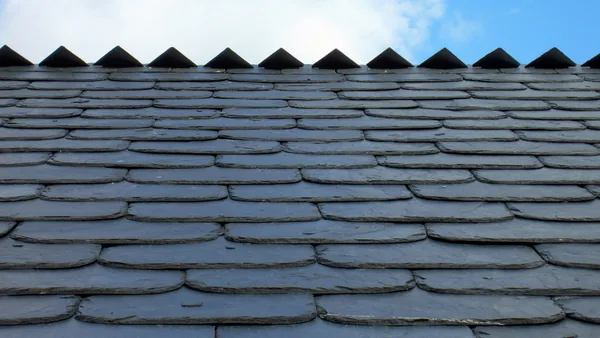
If you're replacing a roof in Bristol, one of the first decisions you'll need to make is whether to go with slate or tile. It's a question we get asked regularly — and the honest answer is that it depends on your property, your budget, and how long you plan to stay. This guide covers the key differences so you can make an informed decision before getting quotes.
What Are the Main Differences Between Slate and Tile Roofing?
Slate is a natural stone material, split into thin sheets and laid in overlapping rows. It's been used on British roofs for centuries and is particularly common on older Bristol properties — Victorian terraces, Georgian townhouses, and period homes throughout Clifton, Redland, and Cotham frequently have slate roofs. Natural Welsh slate is the most prestigious option, though Spanish slate and synthetic composite slate are also available at lower price points.
When choosing any roofing material, it's worth using a vetted contractor. The National Federation of Roofing Contractors (NFRC) find-a-contractor tool lets you search for approved roofers by postcode — members are assessed for quality and must hold adequate insurance.
Tile roofing covers a broader range. Clay and concrete tiles are the most common, along with composite tiles that mimic the look of slate or traditional clay at a lower cost. Tiles tend to suit newer and more contemporary builds and are the standard choice for most residential properties built since the 1980s.
The visual difference is immediately obvious: slate has a thinner, flatter profile and a more refined look, while tiles are thicker and tend to have a more textured, uniform appearance. Both handle the UK's wet climate well, but they behave quite differently over time. For more on slate roof installation and repair in Bristol, see our dedicated service page.
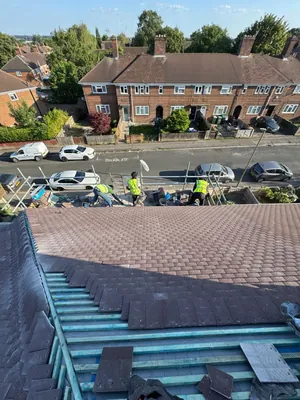
Concrete and clay tile roofs are the standard choice for most modern Bristol properties.
How Long Does Each Material Last?
This is where slate has a genuine advantage. A properly installed natural slate roof will typically last 75 to 150 years. Some Victorian-era slate roofs in Bristol are still performing well over 100 years after installation — the main failure point usually isn't the slate itself but the nails and underlying timber that degrade first.
Concrete and clay tile roofs have a shorter lifespan of around 40 to 60 years, though that's still a meaningful figure. A tile roof installed on a new-build in the 1980s is now approaching the end of its useful life — which explains why so many Bristol homeowners are currently facing replacement decisions.
Synthetic slate sits between the two: expect 30 to 50 years from a quality composite option. It won't outlast natural slate, but it will significantly outlast a standard tile roof.
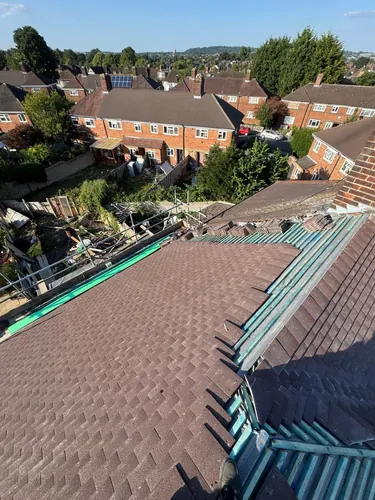
Natural slate is one of the longest-lasting roofing materials available, with properly installed roofs lasting well over a century.
What Does Each Option Cost in Bristol?
Cost is often the deciding factor, and slate is more expensive — both the material and the installation. Each slate must be individually nailed and positioned correctly, which takes more time and skill than a standard tile installation.
For a typical semi-detached Bristol property, guide prices for a full replacement are roughly:
- Natural Welsh slate: £7,000 – £12,000+
- Spanish slate: £5,000 – £9,000
- Synthetic slate: £4,000 – £7,000
- Concrete or clay tile: £3,500 – £7,000
These are rough guide figures. The actual quote will depend on roof size, pitch, access, and the condition of the underlying structure. If the timber framework or battens need replacing, that adds to the cost regardless of the material chosen.
It's also worth thinking about long-term value. A tile roof replaced today might need replacing again in 40 years, whereas a Welsh slate installation could outlast the next two generations of owners. Over a long enough timeframe, slate often works out cheaper per year.
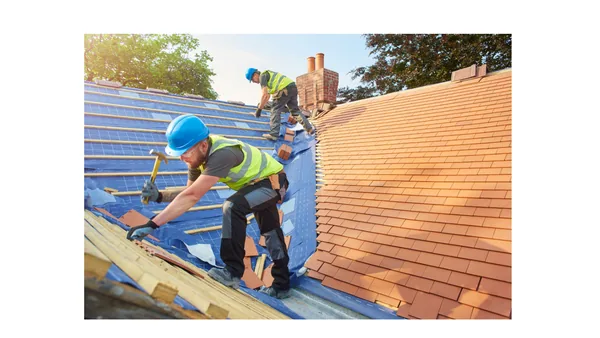
A full roof replacement is a significant investment — choosing the right material from the start makes a big difference to long-term value.
Which Handles Bristol's Weather Better?
Bristol sits in one of the wetter parts of England, with rainfall well above the national average and regular Atlantic weather systems coming in from the west. Both slate and tile perform well in wet conditions, but there are some nuances worth knowing.
Slate is denser and less porous than tile, making it more resistant to frost damage. The freeze-thaw cycle — where water enters tiny cracks, freezes and expands — is a common cause of tile failure during colder winters. High-quality natural slate handles this far better.
Modern concrete and clay tiles are significantly improved compared to older designs and will handle Bristol's climate without issues. The bigger concern with tile in a wet climate is the mortar around ridge tiles and hip tiles, which needs checking every 10 to 15 years. When mortar fails and water gets in, it can cause internal damage quickly — and many of the roof repair calls we get in autumn are down to failed ridge pointing that's been ignored for too long.
Slate ridges are also mortared, but the slates themselves rarely fail. When a slate roof does start leaking, it's usually individual slates that have cracked or slipped rather than widespread failure — which is why a well-maintained slate roof can often be repaired rather than replaced.
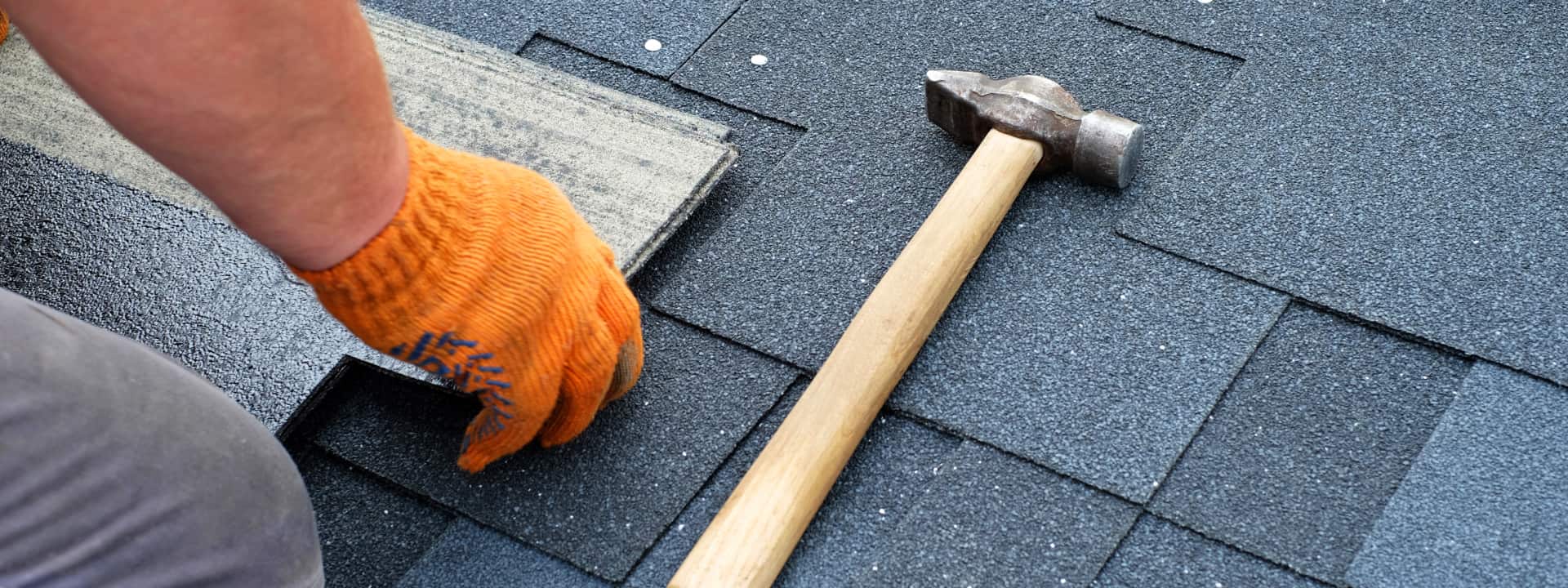
Bristol's wet, Atlantic climate puts real demands on any roof. The right material choice reduces the frequency and cost of repairs.
Does Slate Add More Value to a Bristol Home?
For period properties in Bristol — particularly those in conservation areas or marketed with words like "character" and "original features" — a natural slate roof is part of the appeal. Replacing a Victorian slate roof with concrete tiles can reduce the visual character of the property and, in some conservation areas, may require planning permission. Bristol City Council's conservation areas guidance explains which areas are affected and what changes require consent.
For a standard three-bedroom semi in Bedminster or Knowle, the material choice matters less. Buyers want to know the roof is sound and recently done — the difference between tile and slate is unlikely to add a premium that justifies the extra cost.
As a general guide: if you're in a period property or conservation area, slate (or at minimum synthetic slate) is the right call. For everything else, tile is a perfectly sensible and cost-effective choice. Our team can advise on what's most appropriate for your specific property — see our roof replacement service for more detail.
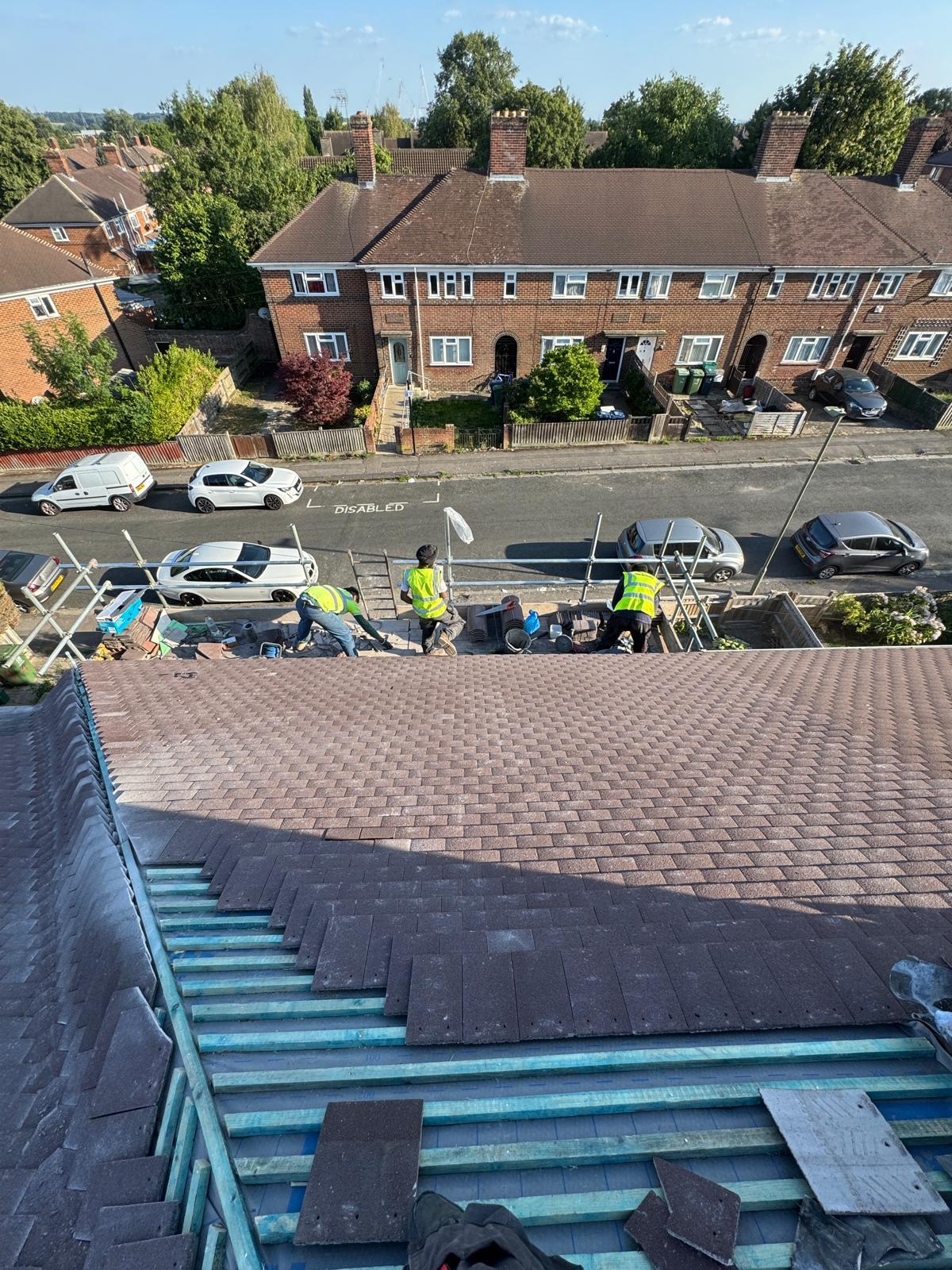
Period properties in Bristol — particularly in conservation areas — often benefit from like-for-like slate replacement to preserve character and comply with local planning requirements.
How to Decide: Questions Worth Asking Before You Choose
A few questions that help focus the decision:
- What's on there now? If you have a Victorian slate roof, replacing like-for-like usually makes the most sense — aesthetically and practically.
- Are you in a conservation area? Check with Bristol City Council before committing to any material. Some areas restrict what can be used on visible roof slopes.
- How long are you staying? If you're likely to sell within 10 to 15 years, a quality tile replacement at lower upfront cost might make more financial sense than natural slate.
- What's the condition of the underlying structure? If the timber or battens need significant work regardless, the material cost difference becomes a smaller part of the overall project price.
- What's your budget? Synthetic slate is a legitimate middle ground — it looks similar to natural slate, lasts considerably longer than standard tile, and costs less than Welsh slate.
There's no universal right answer here. The best choice depends on your specific property, location, and circumstances. If you'd like an honest assessment, we offer free site visits across Bristol and the surrounding areas — we'll tell you what we'd recommend for your roof, and why. For extra reassurance when hiring any tradesperson, TrustMark's government-endorsed scheme allows you to verify whether a contractor meets national quality and consumer protection standards.
Frequently Asked Questions
Not sure which material is right for your roof?
We offer free, no-obligation assessments across Bristol and the surrounding areas. We'll take a look, tell you honestly what we'd recommend, and give you a clear written quote — no hard sell, no guesswork.
Book a Free Assessment