
Water coming through the ceiling is one of the most stressful things that can happen to a house, and it always seems to happen at the worst possible time - late at night, mid-storm, or the weekend you've got people staying. The good news is that the first hour is about limiting the damage inside, not fixing the roof, and that part you can do calmly. This guide walks through exactly what to do the moment a leak starts, what to leave well alone, and how emergency call-outs and insurance work in Bristol.
What Actually Counts as a Roofing Emergency?
Not every roof problem needs someone out at midnight, and knowing the difference saves you money and worry. A genuine emergency is one where water is actively getting in, the roof is left open to the weather, or there's a safety risk to people below. The clearest cases:
- Active water ingress: water coming through a ceiling or running down a wall while it's raining. The longer it runs, the more it soaks into ceilings, insulation and electrics.
- Storm damage that's left the roof open: tiles or slates ripped off, a section of flat roof peeled back, or a hole where the felt is now exposed to the sky.
- Anything that could fall: loose or hanging tiles, a slipped ridge, or a chimney that's come loose over a pavement, path or parking space where it could hurt someone.
- Structural signs: a visibly sagging roof or ceiling, or a ceiling bulging with trapped water.
By contrast, a small damp patch that isn't spreading, or a single slipped tile in dry weather, is not an emergency - it needs sorting, but it can wait for a normal appointment. If you're unsure which you've got, phone and describe it. We'd rather tell you it can wait than have you pay for an out-of-hours visit you didn't need.
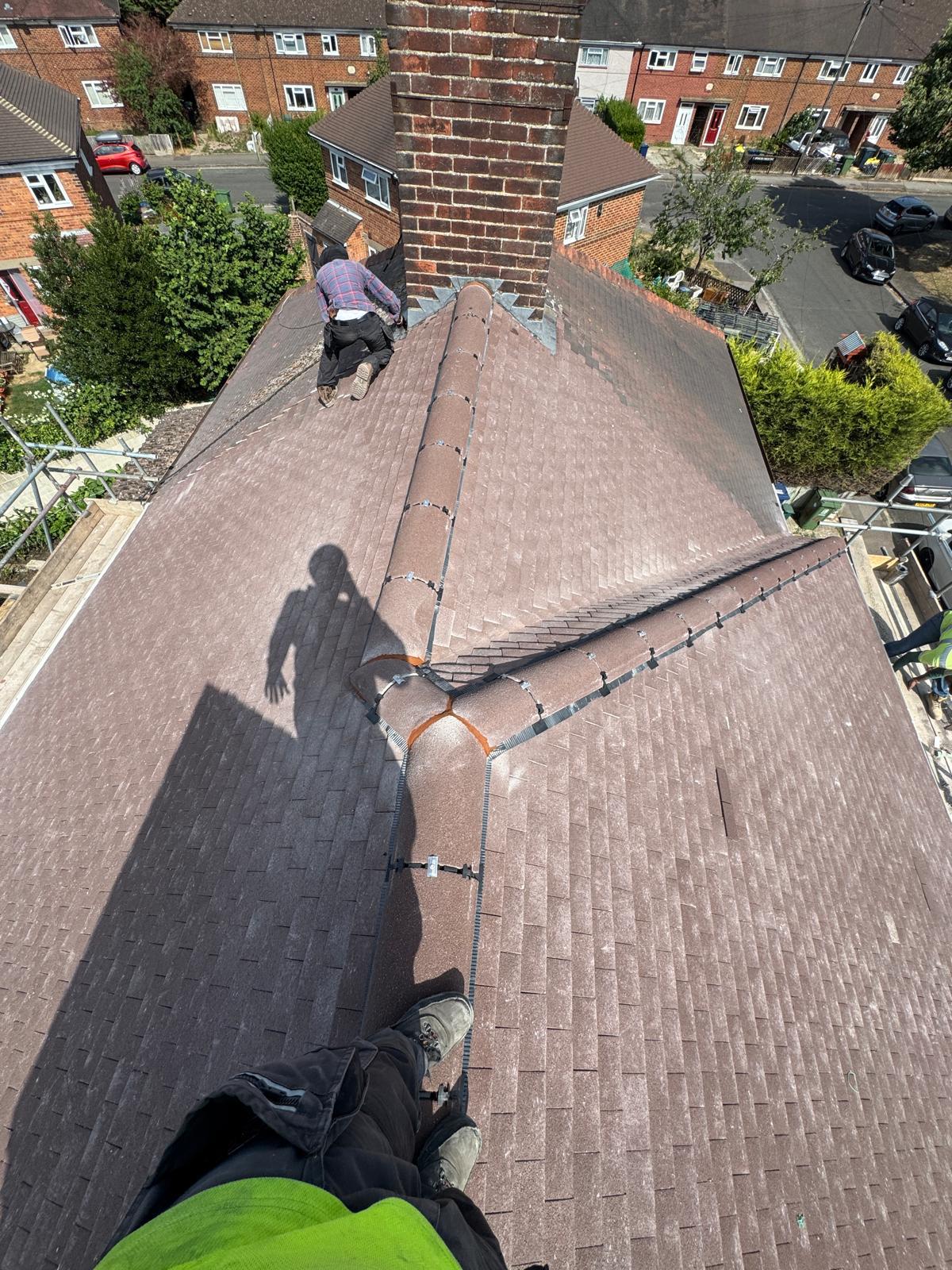
A roof left open by storm damage, or water actively coming into the house, is a genuine emergency - a small damp patch in dry weather usually isn't.
What to Do Right Now (Inside the House)
Forget the roof for now. The first job is protecting what's inside, and you can do all of it from ground level. Work through this calmly:
- Move things out of the way. Shift furniture, electronics and anything valuable away from where the water's coming in. Lift rugs, roll back carpet if you can.
- Catch the water. Buckets, a washing-up bowl, a bin - anything under the drip. Lay towels around it. If it's coming through a light fitting, keep well clear.
- Kill the power if water's near electrics. If water is anywhere near light fittings, sockets or the ceiling rose, switch off that circuit - or the whole supply - at the consumer unit. Water and electrics are the real danger in a leak, not the water itself.
- Deal with a bulging ceiling. If the ceiling is sagging and holding a pool of water, it's tempting to leave it, but a full ceiling collapse makes far more mess. Carefully pierce a small hole at the lowest point of the bulge with a screwdriver, bucket underneath, and let it drain in a controlled way.
- Photograph everything. Before you mop up, take photos and a quick video of the damage. You'll want them for insurance, and memory fades fast once the panic passes.
Once the inside is under control, that's the moment to call a roofer. Everything up on the roof can wait until someone with the right equipment is there.

The first hour is about the inside - move belongings, catch the water, kill the power if it's near electrics, and photograph everything for insurance.
What Not to Do
The wrong moves can turn a bad night into an expensive one. These are the ones we see catch people out across Bristol, again and again.
Don't get up on the roof yourself. This is the big one. Falls from roofs and ladders are among the most common causes of serious injury in home DIY, and a roof that's wet, or has just been hit by a storm, is far more treacherous than it looks. Whatever you think you'll save, it isn't worth it.
Don't try to fix it in the middle of a storm. Even for professionals, working at height in high wind and driving rain is dangerous and rarely effective. The right move during a storm is to contain the water inside and wait for conditions to ease enough for safe temporary weatherproofing.
Don't ignore it overnight and hope. A leak that's running now won't stop because you've gone to bed. Water tracks along timbers and spreads, so what's a contained drip at 11pm can be a soaked ceiling and ruined insulation by morning. And don't assume a small leak is harmless - our guide to lead flashing repairs in Bristol shows how a minor-looking fault can be the tip of a bigger problem.
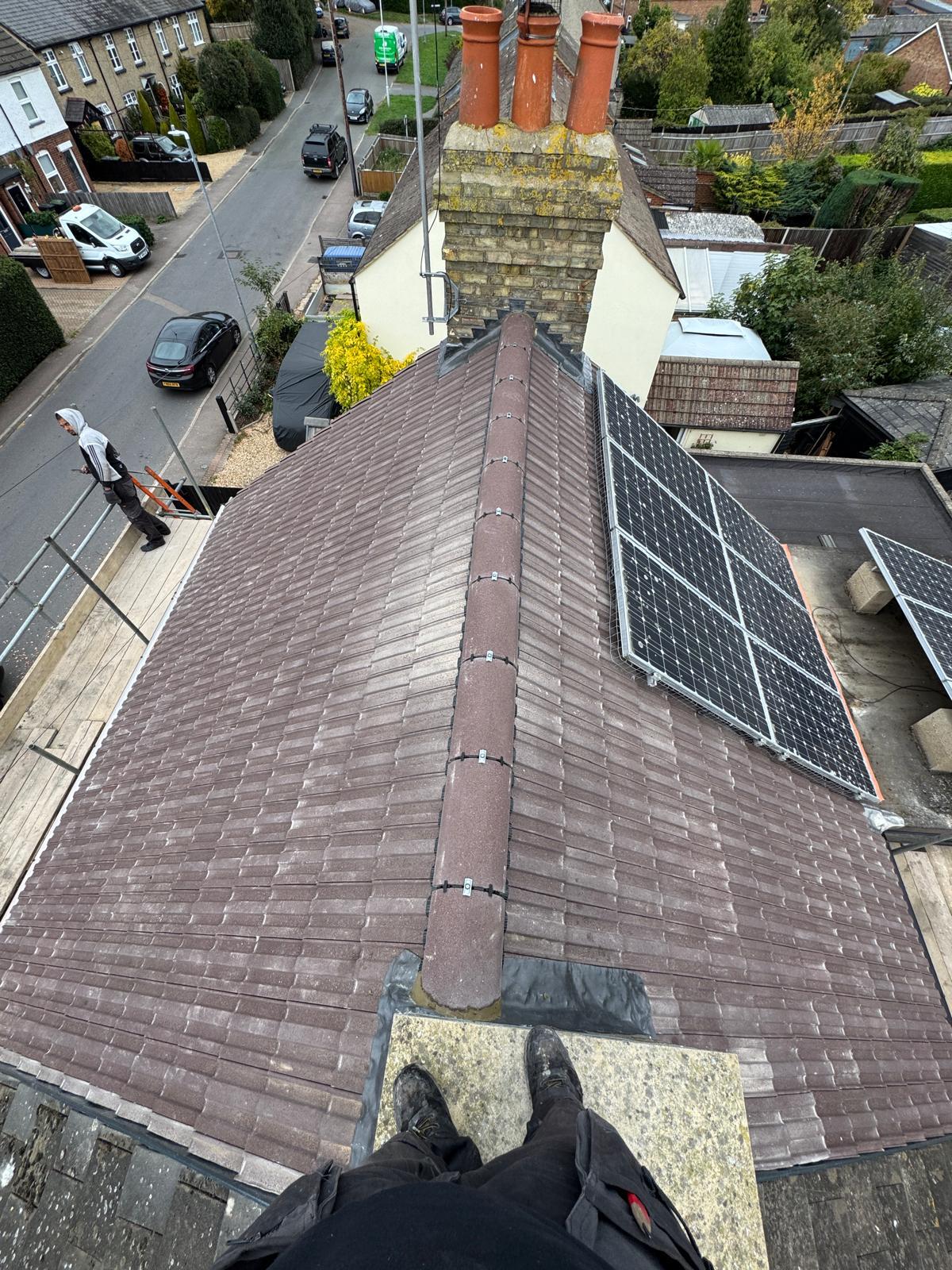
Never get on the roof yourself, especially in a storm - falls from roofs are a leading cause of serious DIY injury, and it's easy to make the damage worse.
How Temporary Weatherproofing Works
When a roofer comes out to an emergency, the first visit usually isn't the permanent fix - it's about making the roof safe and watertight so no more water gets in and nothing else can fall. The permanent repair comes afterwards, once the weather allows a proper job.
Temporary measures might include a heavy-duty tarpaulin battened securely over the damaged area, temporary sheeting, or covering an exposed section of felt or flashing. On a slipped or missing tile, a roofer can often make a quick sound repair there and then. The point is to stop the bleeding - stabilise the situation, keep the house dry, and remove any danger to people below - so you're not living under a running leak while a full repair is arranged.
This two-stage approach is normal and sensible. A tarpaulin lashed down in the rain is not the finished job, and any honest roofer will tell you so. Trying to do a permanent repair in the wrong conditions is how you get a repair that fails again a fortnight later. Our roof repair service covers both the emergency make-safe and the permanent fix.
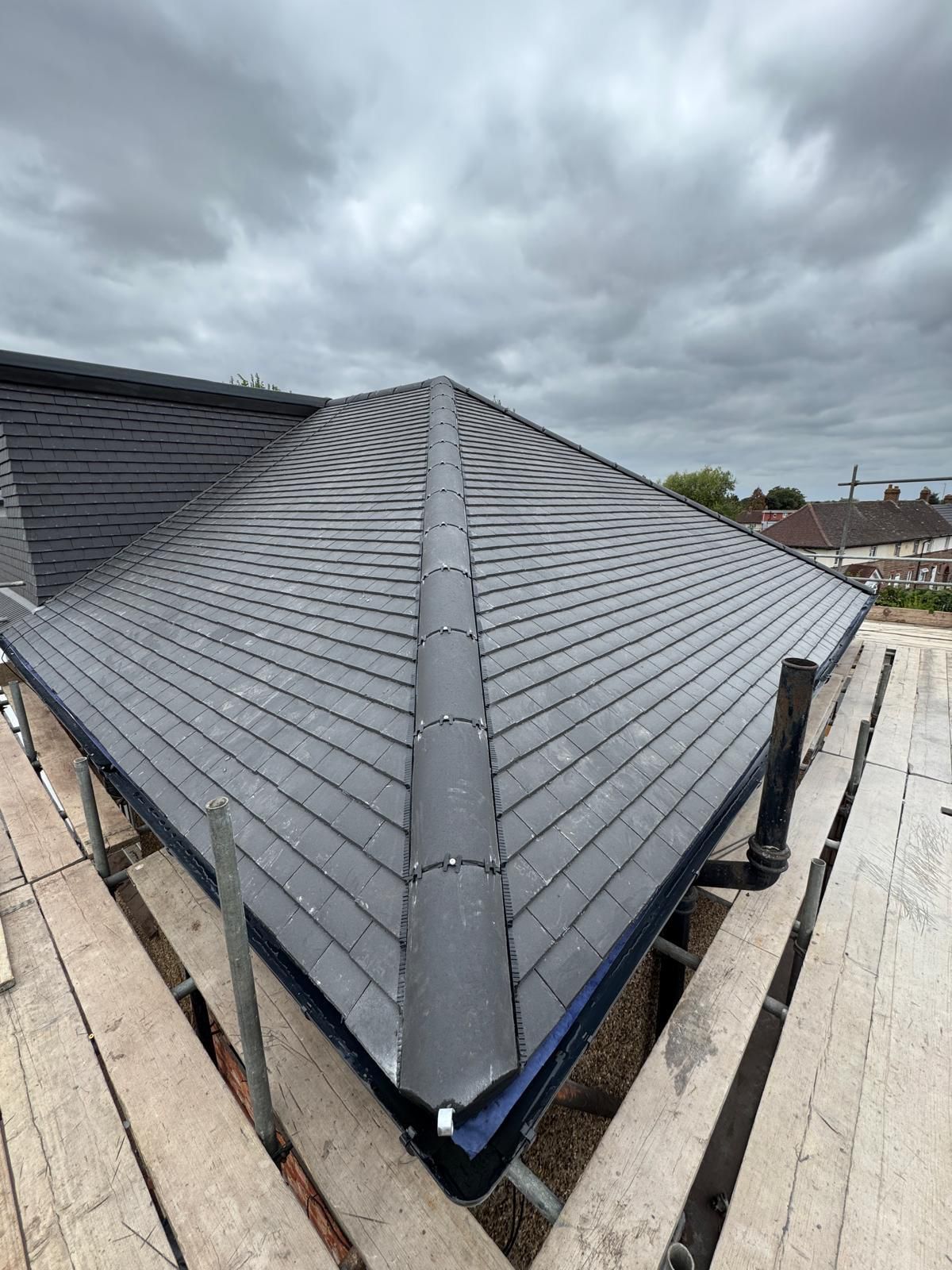
The first emergency visit makes the roof safe and watertight - a battened tarpaulin or a quick sound repair - with the permanent fix arranged once the weather allows.
Bristol's Weather and When Emergencies Spike
Roofing emergencies aren't spread evenly through the year, and Bristol's position has a lot to do with it. The city sits in the path of Atlantic weather systems rolling in from the south-west, and it gets well over 800mm of rain a year. Most of the emergency call-outs we get come in clusters, tied to specific weather.
Autumn and winter are the busy season. That's when the named storms arrive - the Met Office storm-naming season runs from early autumn - bringing the high winds that strip tiles and lift flat roofs, and the sustained heavy rain that finds every existing weakness. A roof that limped through summer with a cracked tile or tired flashing is the one that fails in the first big November blow.
The pattern we see is that a storm passes through overnight, and the next morning the phones don't stop. If your roof is already showing its age, the sensible move is to get it checked before the storm season rather than during it - a point we make in our guide to roof inspections after a storm in Bristol.
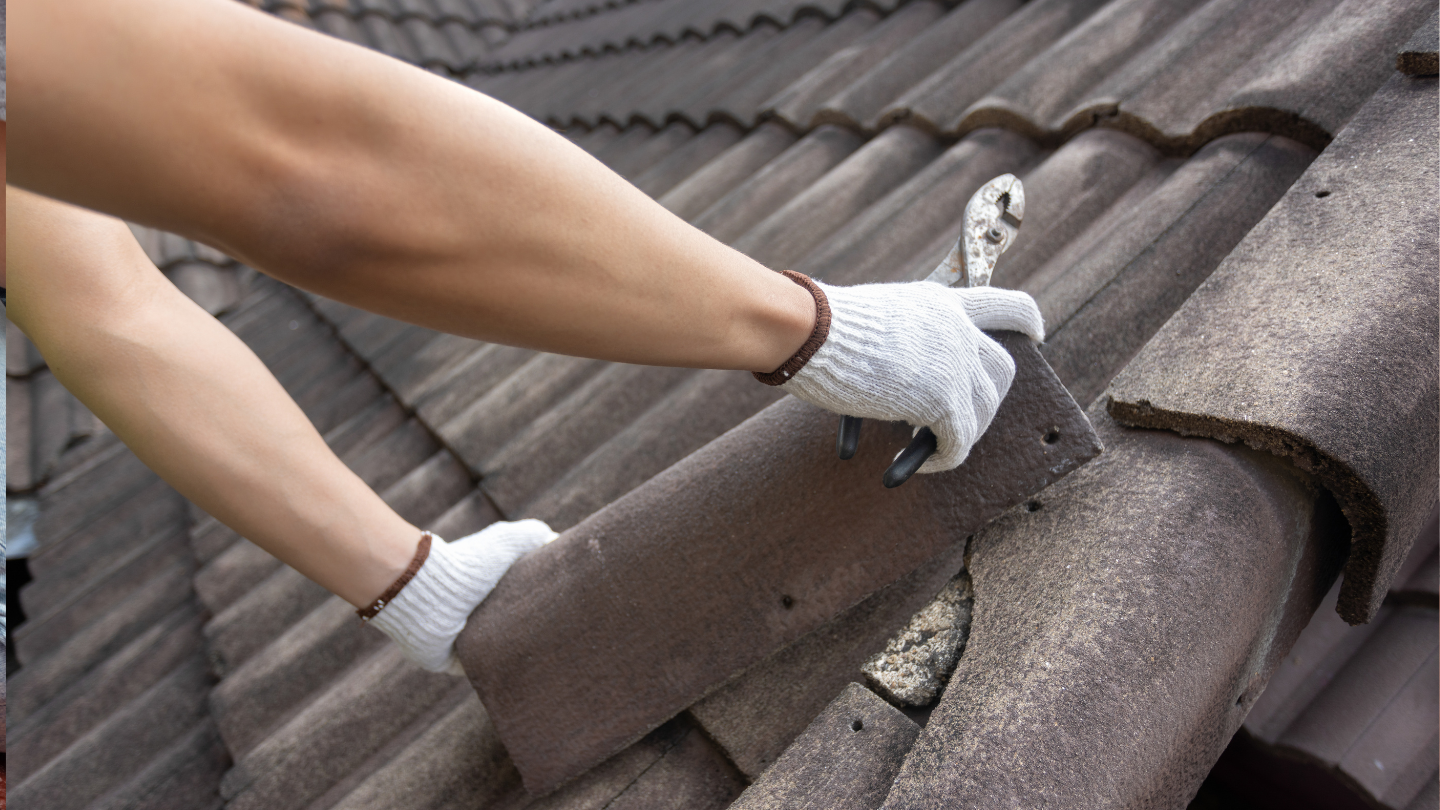
Bristol's emergency call-outs cluster in autumn and winter, when Atlantic storms and heavy rain find every existing weakness in a roof.
Insurance, Costs and Getting Someone Out
Two practical questions come up in every emergency: will insurance pay, and what does it cost to get someone out?
On insurance: sudden storm damage and accidental damage are usually covered by buildings insurance, whereas gradual wear and tear and long-term neglect generally aren't - which is another reason not to let small problems fester. Photograph the damage before and after, keep all receipts, and contact your insurer promptly. Most policies actually require you to take reasonable steps to prevent further damage, so a documented emergency make-safe supports your claim rather than undermining it. The Association of British Insurers has plain-English guidance on how home insurance claims work.
On cost: an emergency call-out and temporary weatherproofing in Bristol typically runs between £150 and £500, depending on the time of day, the access needed, and how much work it takes to make safe. That's separate from the permanent repair, which is quoted once the roof can be properly assessed and the weather allows. We're upfront about costs even in an emergency - no one should be quoted a panic price because it's raining. When choosing anyone for urgent roof work, the National Federation of Roofing Contractors and the TrustMark scheme both let you check a contractor is properly vetted.
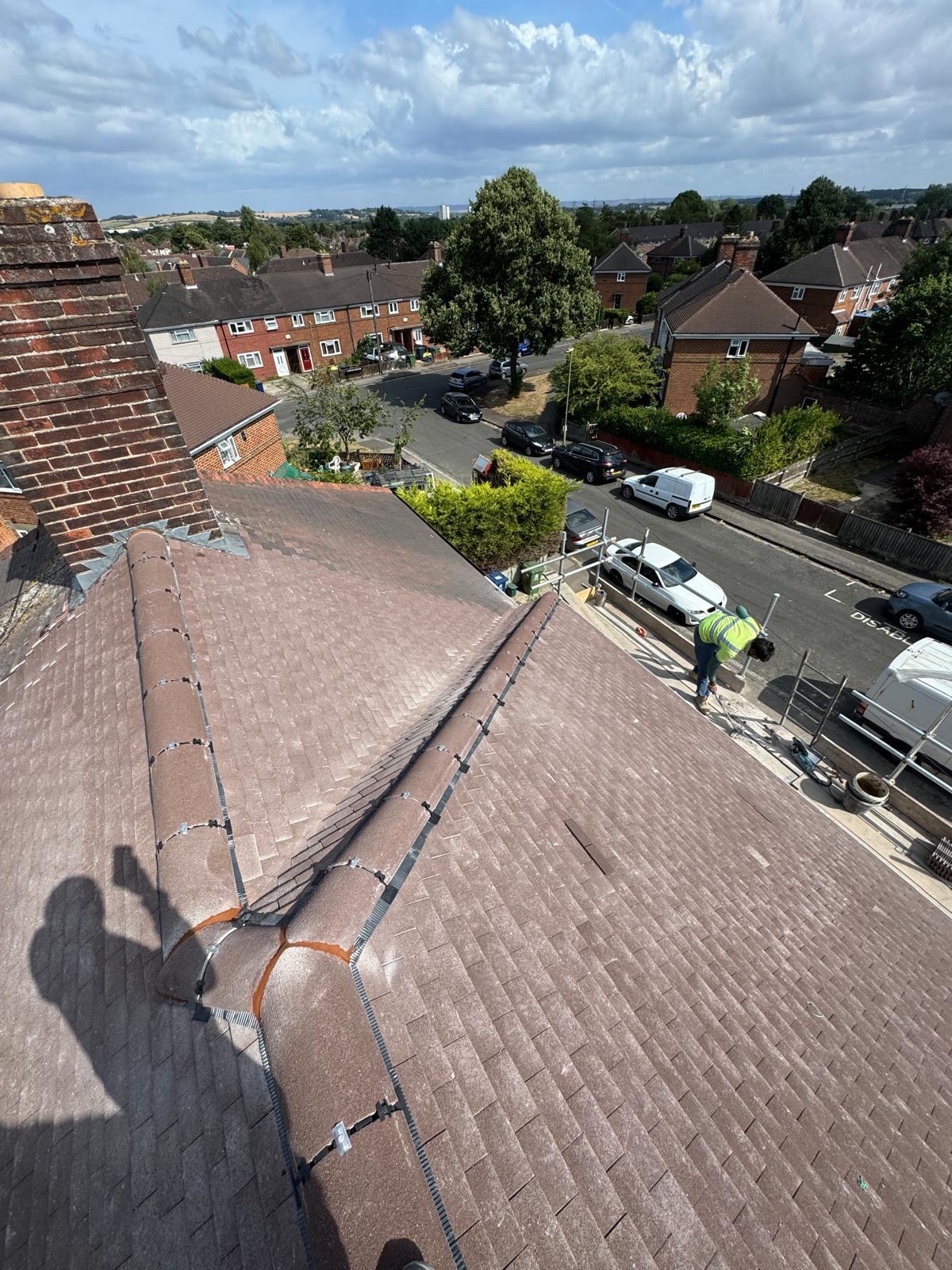
An emergency make-safe stops the damage and keeps the house dry; the permanent repair follows once the roof can be properly assessed in better weather.
Frequently Asked Questions
Roof leaking right now?
We cover Bristol and the surrounding areas, and we're contactable around the clock. Get the water under control inside, then call us - we'll make the roof safe and watertight, and sort the permanent repair once it can be done properly.
Get Help Now