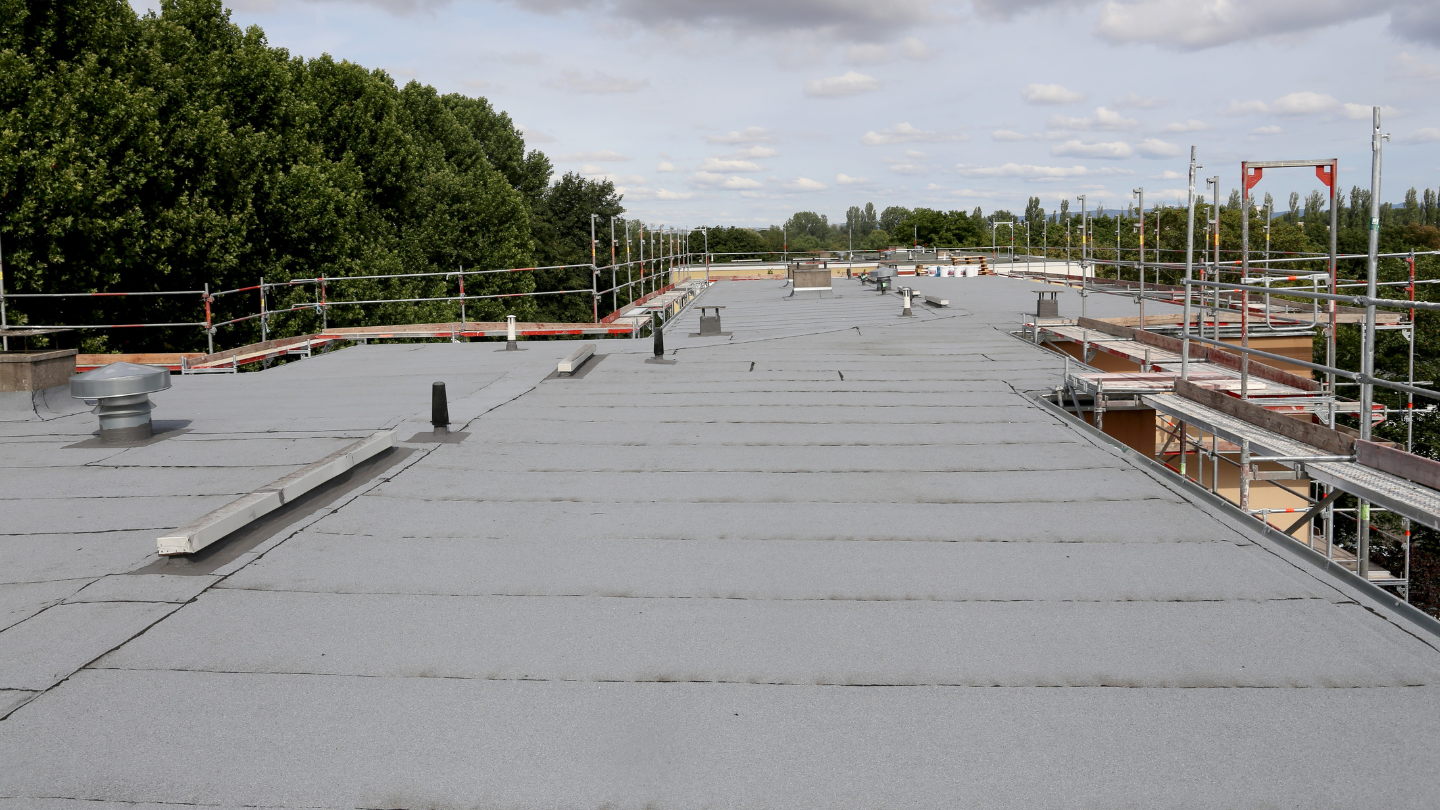
If you've got a flat roof in Bristol that's leaking, blistering or simply past its best, the first real decision is what to replace it with. Three materials dominate domestic flat roofing here - torch-on felt, EPDM rubber, and fibreglass (GRP) - and they behave very differently on cost, lifespan and where they suit. This guide breaks down all three honestly, with the Bristol context that actually affects the choice, so you can go into any quote knowing what you're comparing.
The Three Main Flat Roof Options in Bristol
Bristol has a lot of flat roofing. The city is full of 1960s and 70s extensions, flat-roofed garages, and the flat-roofed dormers that come with the huge number of loft conversions across Bishopston, Horfield and Redland. Behind the period terraces of Clifton, Redland and Cotham there are countless flat-roofed rear additions. Many of these were originally covered in bitumen felt that's now well past its life and failing in bulk.
When you replace one, you'll almost always be choosing between three systems:
- Torch-on felt - modern multi-layer built-up felt, the cheapest option.
- EPDM rubber - a single-sheet synthetic rubber membrane, the most popular domestic choice.
- Fibreglass (GRP) - a rigid, seamless glass-reinforced plastic laminate.
There's no single "best" here, whatever a salesman pushing one system might tell you. Each has a genuine place. What actually matters is matching the material to your roof's size, how it's used, and how long you plan to stay. Let's take them one at a time.
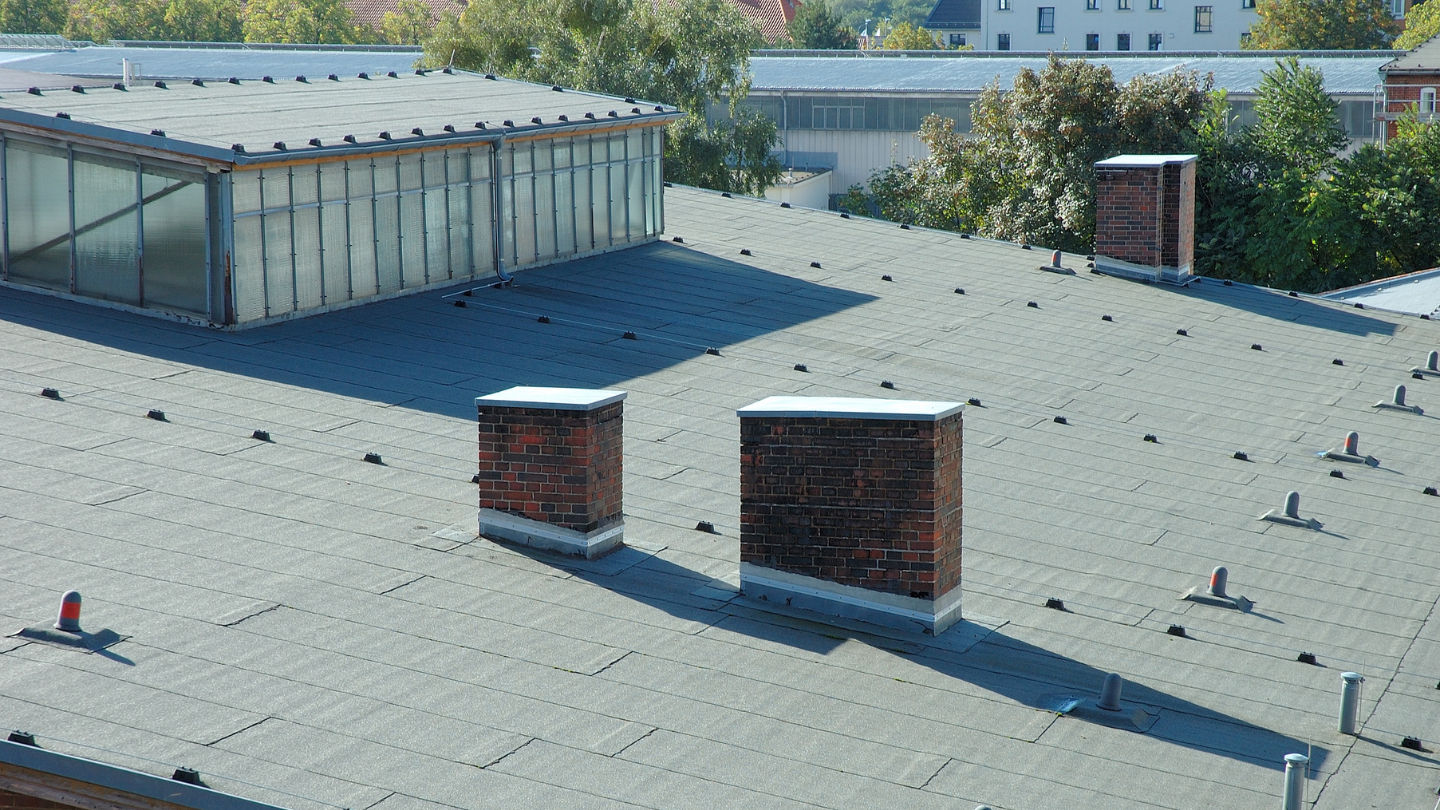
Bristol has a huge amount of flat roofing - 60s and 70s extensions, garages, and the dormers from thousands of loft conversions.
Felt: Cheapest Up Front, Shortest Life
Modern torch-on felt is a world away from the thin single-layer felt that covered garages decades ago. It's built up in layers, with the joints heat-bonded (torched) together to form a continuous waterproof surface. Installed well, it's a perfectly reliable covering.
Its main appeal is cost. Felt is the cheapest of the three, which makes it a sensible choice for a garage, a shed, or an outbuilding where you don't want to spend heavily. It's also quick to install and simple to patch if it's ever damaged.
The trade-offs are lifespan and seams. A modern felt roof typically lasts 15 to 25 years - respectable, but the shortest of the three. And because it's built up in sections, it has more joints than a single-sheet system, and joints are where flat roofs tend to fail first. In Bristol's wet climate, a felt roof that isn't laid with proper falls to drain water will sit under standing water, which shortens its life further. If felt is the right budget choice for you, our felt roof installation service covers it properly - the quality of the installation matters more with felt than with any other system.
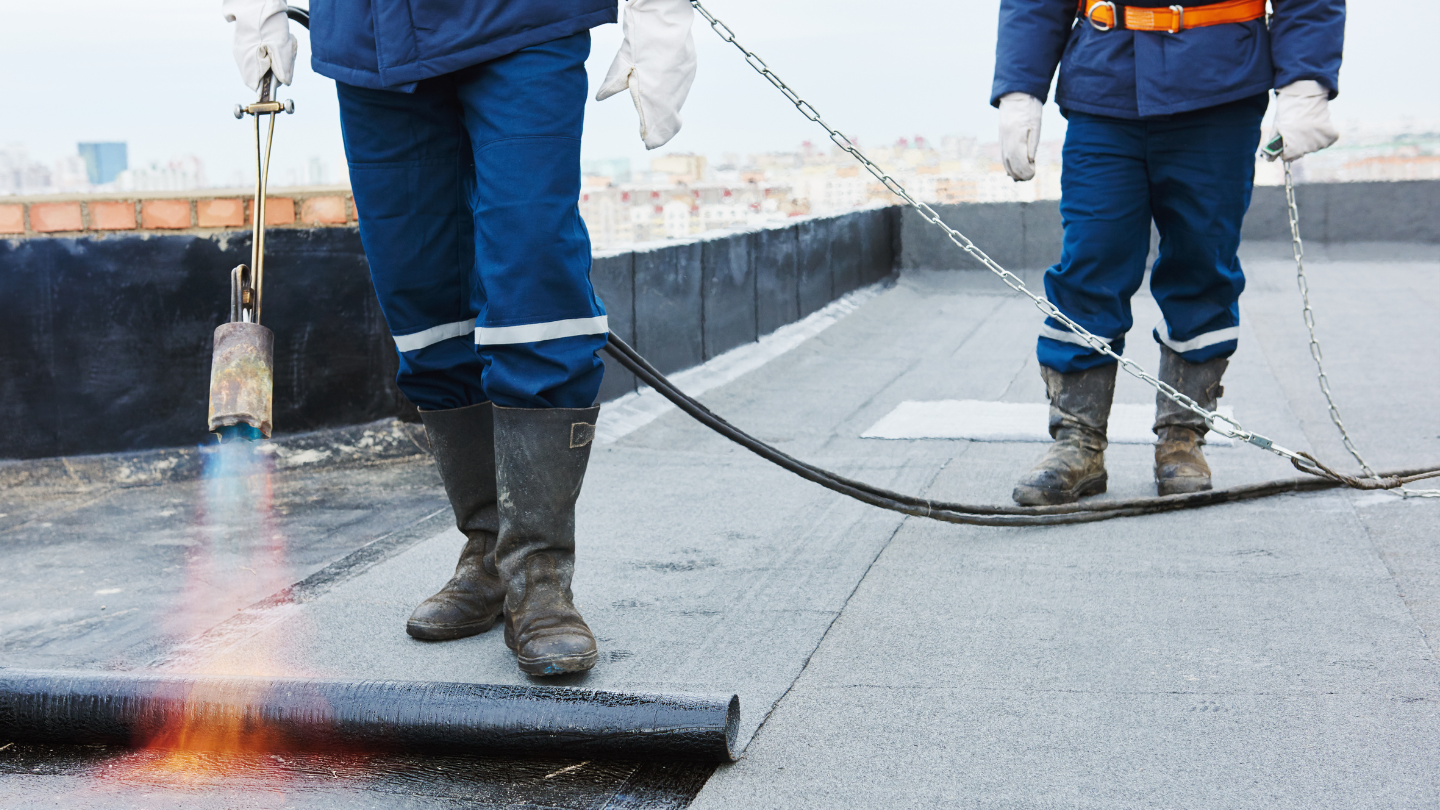
Modern multi-layer torch-on felt is cheap and reliable when laid well - the shortest-lived of the three, but still a sensible choice for garages and outbuildings.
EPDM Rubber: The Popular Long-Life Choice
EPDM has become the default choice for domestic flat roofs in Bristol, and for good reason. It's a synthetic rubber membrane laid in large single sheets - on most domestic roofs, the whole covering can be a single piece with no joints at all. Fewer seams means far fewer places for water to get in, which is the single biggest reason flat roofs fail.
The headline strength is lifespan: a quality EPDM roof lasts 30 to 50 years with very little maintenance. It flexes with temperature changes rather than cracking, it shrugs off UV and frost, and it copes well with the damp, changeable weather we get here. It's also relatively quick to install - most domestic EPDM roofs go on in a day - and it can be laid in a wider range of conditions than fibreglass.
The main downside is that it's a softer surface than fibreglass, so it's less suited to areas that take regular foot traffic, and a very cheap EPDM installation with poorly detailed edges and trims won't perform as well as the membrane itself deserves. Done properly, it's hard to beat for value over its lifetime. You can read more on our EPDM roof and rubber roof service pages.
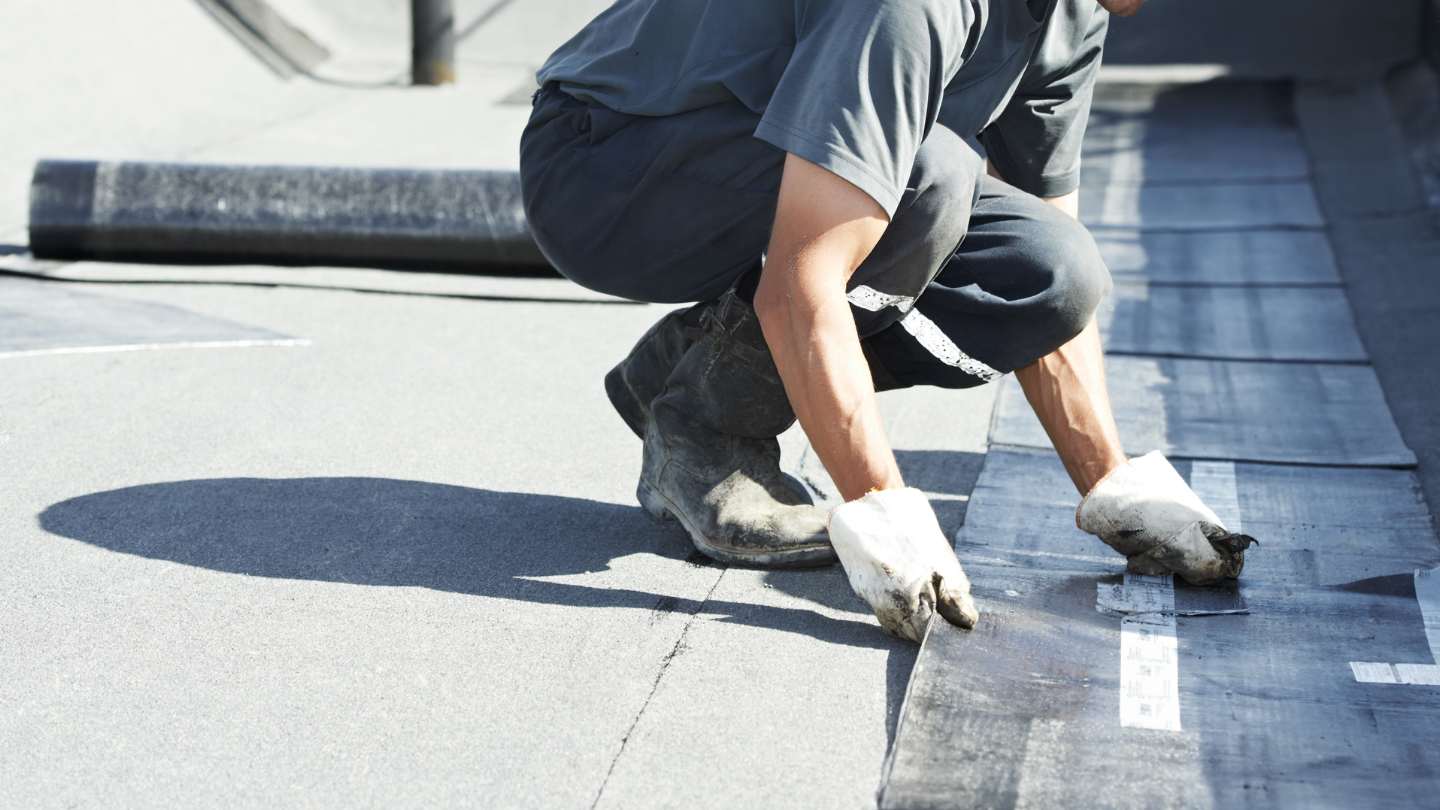
EPDM rubber is laid in single sheets - on most domestic roofs, a seamless one-piece covering that lasts decades with little maintenance.
Fibreglass (GRP): The Rigid, Seamless Option
Fibreglass - properly called GRP, glass-reinforced plastic - is a laminate laid up wet directly onto a timber deck and left to cure into a hard, completely seamless shell. It's the same material used for boat hulls, which tells you something about how tough and waterproof it is.
Its strengths are the seamless finish and the hard-wearing surface. Because there are no joints anywhere, there's nothing to lift or split. And because the cured surface is rigid and strong, it's genuinely walk-on, which makes it the go-to choice for balconies, roof terraces, and dormer cheeks - anywhere the roof needs to take foot traffic or be seen up close. It also takes a neat coloured topcoat and crisp trims, so it looks smart on a visible roof.
The catches are cost and weather. GRP is usually the most expensive of the three, and it has to be installed in dry, reasonably mild conditions to cure correctly - not always easy to schedule in Bristol, though a good roofer works around the forecast. It's also less forgiving of movement in the timber deck below, so the deck needs to be sound and rigid. When those boxes are ticked, it's an excellent, long-lasting finish.
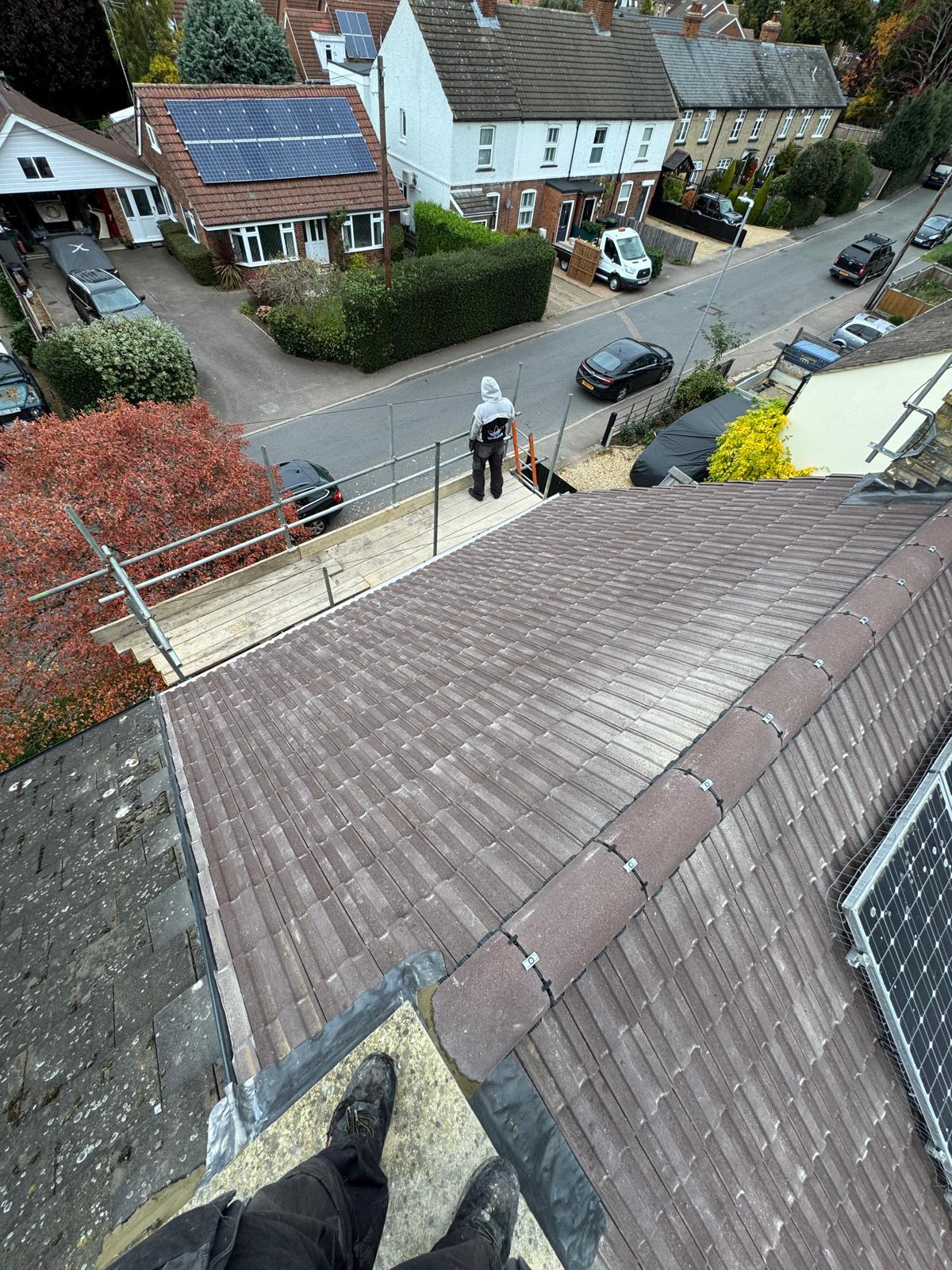
Fibreglass (GRP) cures into a hard, seamless, walk-on shell - ideal for balconies, terraces and dormers where the roof is seen or used.
Which Is Best for Your Bristol Property?
Rather than a winner, think about matching the material to the job. Here's how we'd steer most Bristol homeowners:
- Garage or outbuilding on a budget: Felt is fine, and the cheapest way to get a sound, watertight roof. If you can stretch a little, EPDM will outlast it several times over.
- Extension or rear addition you're keeping long-term: EPDM is usually the sweet spot - long life, few seams, good value. This covers most of the flat-roofed extensions behind Bristol's terraces.
- Balcony, roof terrace or anything walk-on: Fibreglass, for the hard, seamless surface that takes foot traffic.
- Dormer on a loft conversion: Either EPDM or fibreglass, depending on whether the cheeks are visible and how much you want to spend. Fibreglass gives the neater visible finish; EPDM is quicker and cheaper.
- A property you're selling soon: A sound EPDM or fibreglass roof with a warranty is a reassuring line on a survey. A tired felt roof is something buyers flag.
Bristol's wet climate makes one thing matter regardless of material: falls and drainage. A flat roof should never be truly flat - it needs a slight slope built in so water runs to the outlets rather than ponding. Standing water is the enemy of every flat roof system, and it's the detail cheap installations skip. For the full picture on when a flat roof is worth replacing at all, see our guide to flat roof replacement in Bristol.
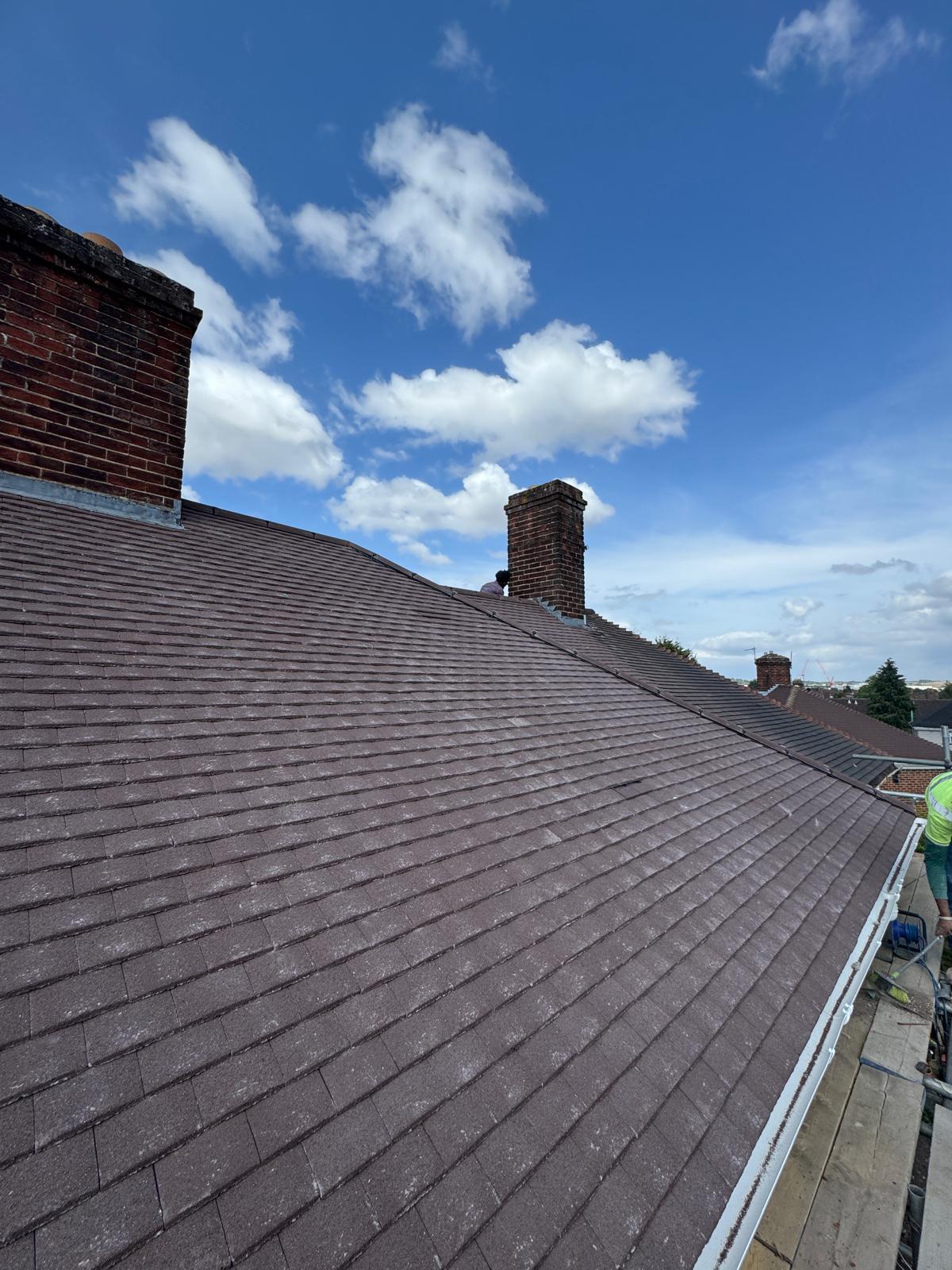
The right material depends on the roof's use - garage, extension, balcony or dormer - and on getting the falls right so water drains instead of ponding.
What Each Costs in Bristol (2026)
Cost is usually part of the decision, so here are realistic guide prices for a typical domestic flat roof in Bristol. These assume the timber deck underneath is sound - if it's rotten and needs replacing, that adds to any of them.
- Torch-on felt: £1,200 - £3,000
- EPDM rubber: £1,500 - £4,000
- Fibreglass (GRP): £2,000 - £4,500
Read those numbers per year of life, though, not just as a headline. A felt roof at £2,000 lasting 20 years works out at £100 a year. An EPDM roof at £3,000 lasting 40 years is £75 a year - cheaper over time, despite costing more on day one. It's a simple sum, and it's the one most people skip when they just pick the lowest quote.
One thing to watch on any flat roof quote: make sure it includes checking and, if needed, replacing the timber deck, and that it specifies proper falls and edge trims. A quote that's dramatically cheaper than the others is usually leaving one of those out. Our flat roof installation service covers all three systems, and we'll tell you honestly which we'd fit on your roof and why.
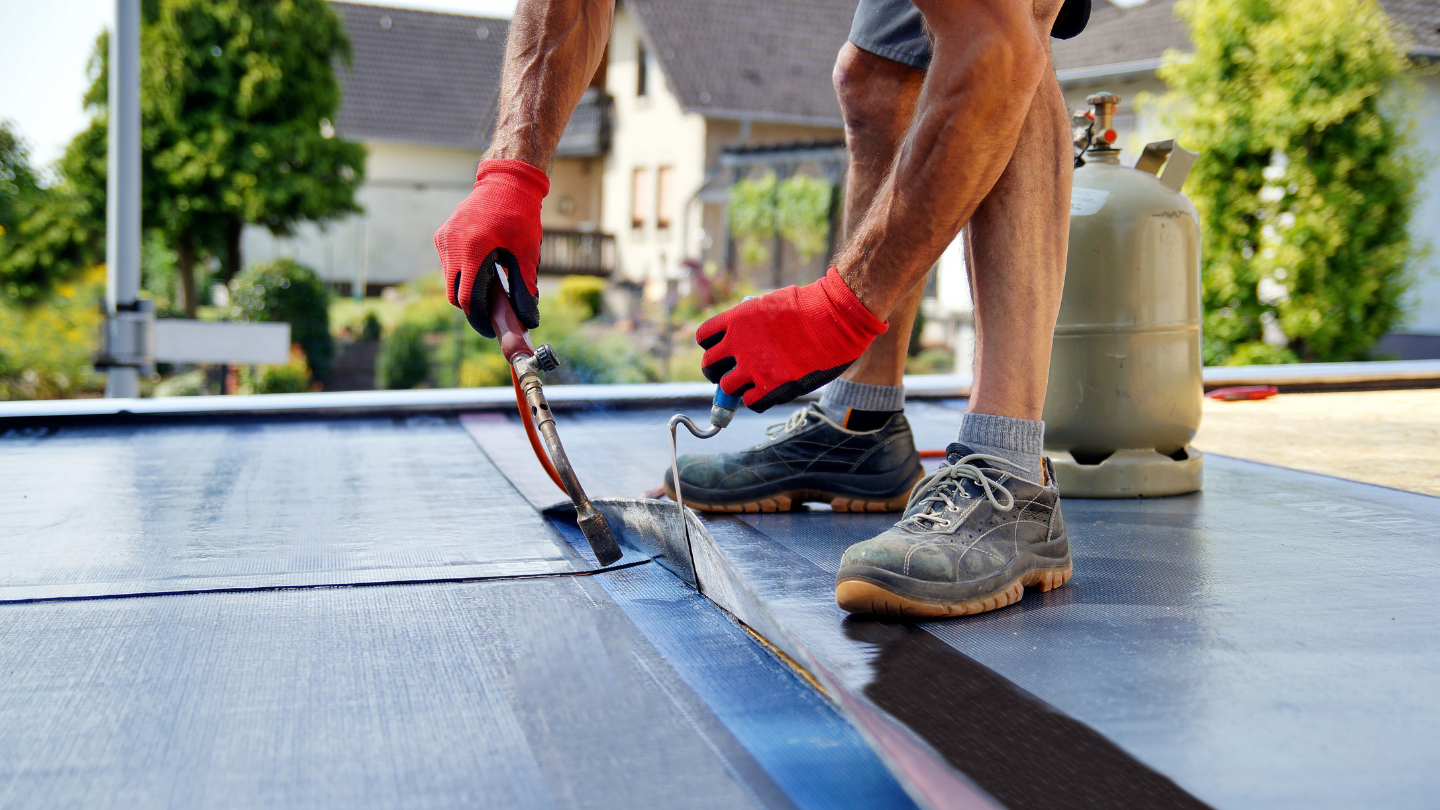
Judge a flat roof on cost per year of life, not the headline price - the cheapest quote often skips the deck check, falls or trims.
Getting It Installed Right (and the Rules)
With flat roofs more than almost any other roofing job, the installation matters as much as the material. The best EPDM membrane in the world will leak if the edge trims and outlets are badly detailed, and fibreglass will fail if it's laid on a flexing deck or cured in the wrong weather. So whichever material you choose, the installer's competence is what you're really buying.
When choosing a contractor, it's worth using someone properly vetted. The National Federation of Roofing Contractors lists assessed members by area, and the TrustMark government-endorsed scheme lets you check a contractor meets consumer-protection standards. Ask to see the manufacturer warranty for the system being fitted, too - reputable EPDM and GRP systems carry meaningful guarantees, but only when installed by approved fitters.
On permissions: replacing an existing flat roof like-for-like normally falls under permitted development and doesn't need planning permission. The exceptions are listed buildings and conservation areas - large parts of Clifton, Redland, Cotham and Montpelier - and any job that changes the structure or adds a rooflight. GOV.UK's planning guidance covers the detail, and we'll flag anything relevant to your property during the free assessment.
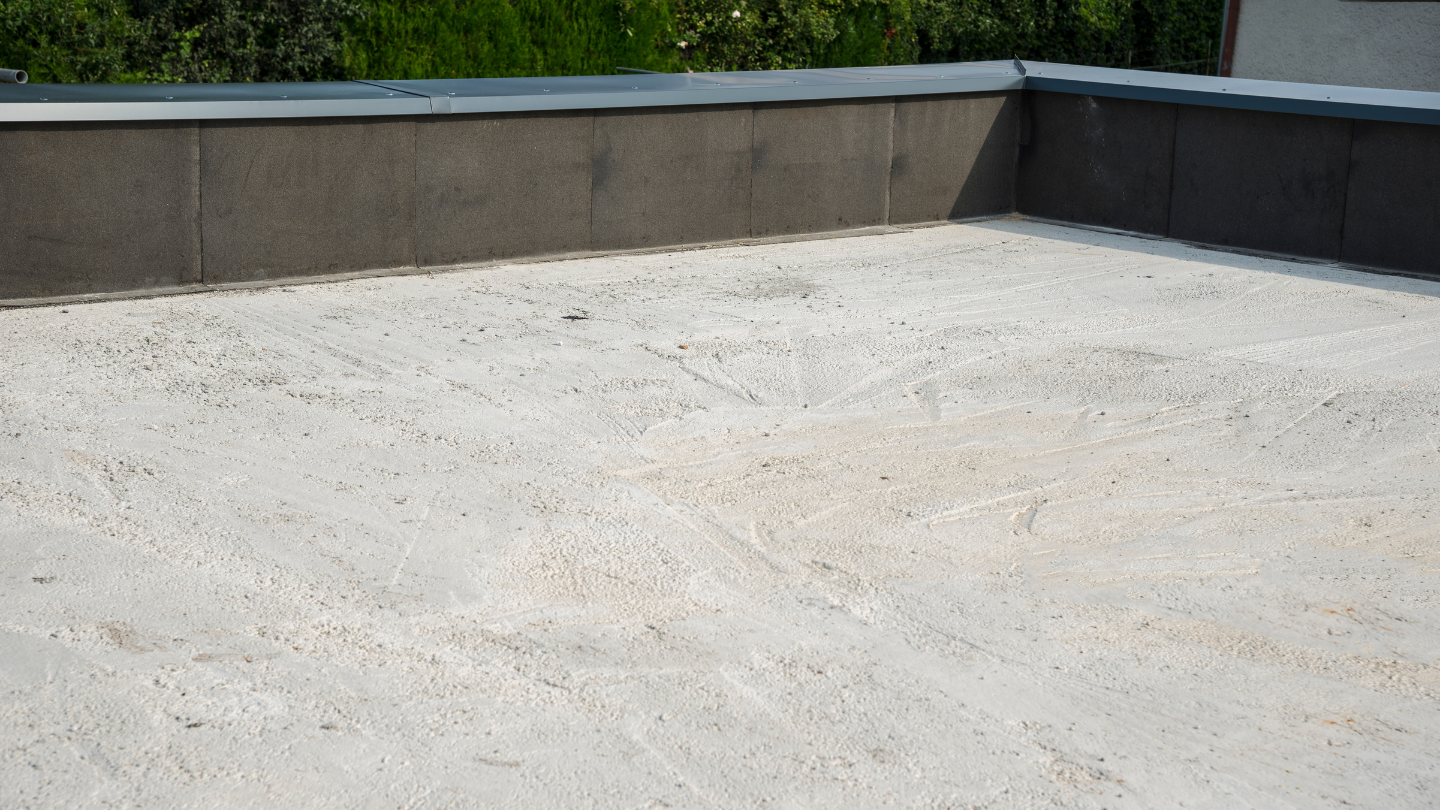
Whichever material you choose, the quality of the installation - edge trims, outlets, falls, a sound deck - is what determines how long it lasts.
Frequently Asked Questions
Replacing a flat roof in Bristol?
We install felt, EPDM and fibreglass flat roofs across Bristol and the surrounding areas. Book a free, no-obligation assessment and we'll tell you honestly which system suits your roof, your use, and your budget - with a clear written quote.
Book a Free Assessment