When you buy a house, the roof is the single biggest thing you can't easily see and can't cheaply fix. A new roof runs to somewhere between £5,000 and £14,000, and it's the kind of surprise that can wipe out a moving budget or sour a purchase entirely. Yet the roof is exactly the part a standard survey covers least well. This guide explains what a homebuyer survey does and doesn't tell you about the roof, what a roofer looks for, the specific things to watch on Bristol's housing, and how to turn a roof problem into a negotiating position rather than a nasty shock.
Why the Roof Is the Big Unknown
Most of what matters about a house, you can judge by walking round it. The roof is the exception. It's high up, hard to see properly from the ground, and genuinely difficult for a non-specialist to read. A roof can look perfectly fine from the pavement and be five years from a full replacement. Another can look a bit tired and have decades left in it.
That uncertainty matters because the numbers are big. Unlike a bit of redecorating or a new kitchen, a roof is not a small job you can put off - once it starts letting water in, it damages everything beneath it. So of all the things worth being sure about before you commit to buying, the roof is near the top, and it's the one most buyers know least about. The cost of finding out is tiny next to the cost of getting it wrong.
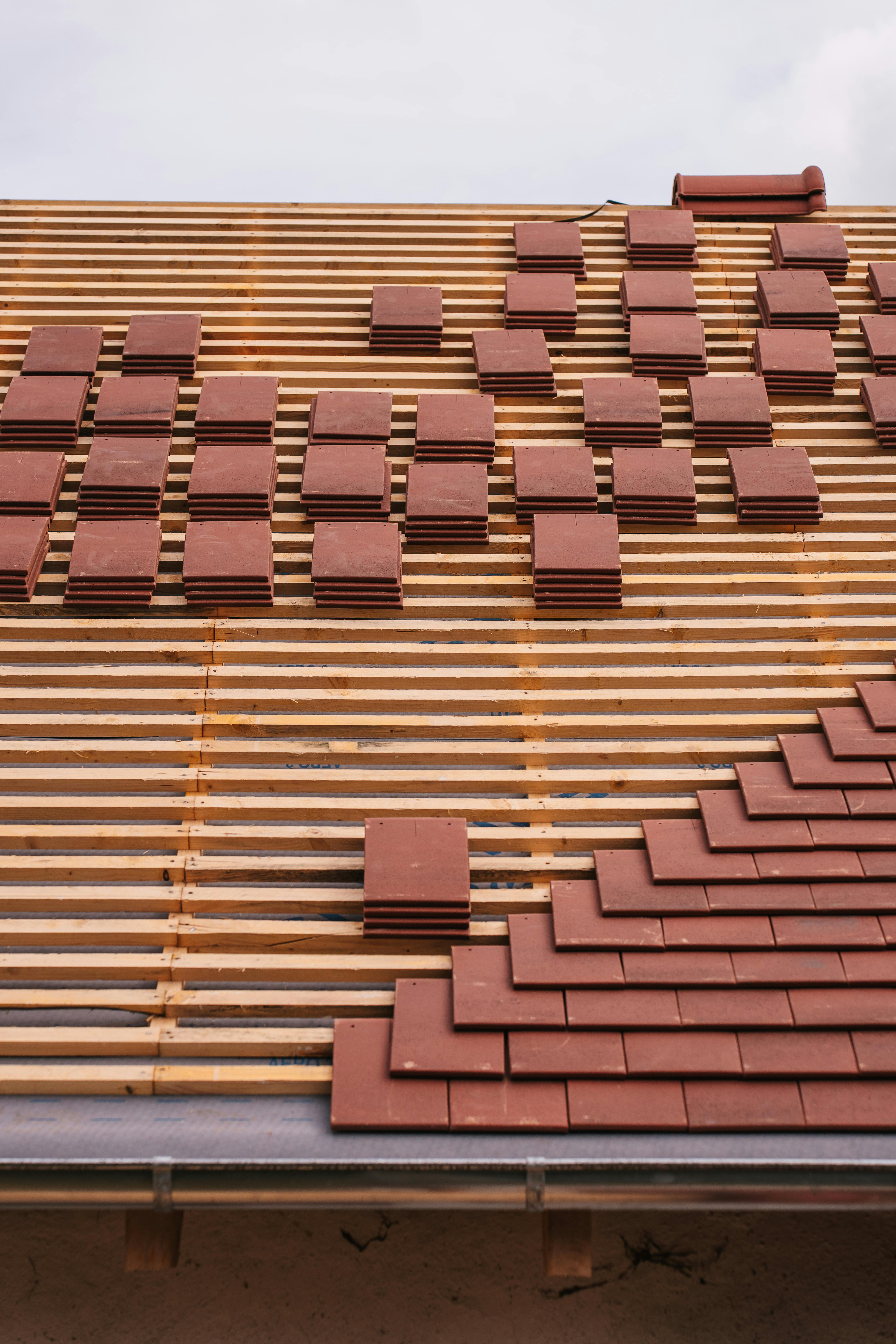
The roof is the biggest thing you can't easily see when buying - a roof can look fine from the pavement and be five years from a full replacement, or look tired and have decades left.
What a Homebuyer Survey Does (and Doesn't) Cover
Most buyers rely on a survey, and it's worth understanding exactly what it does for the roof - because it's less than people assume.
A standard RICS homebuyer survey (a Level 2, or the more detailed Level 3 building survey) includes a general visual inspection of the property, roof included. But there's a crucial limitation: the surveyor almost always inspects the roof from the ground, or from an upstairs window, using binoculars. They don't climb onto the roof, they don't get up close to the ridge and valleys, and they're a general surveyor, not a roofing specialist. The RICS sets out what each survey level covers, and it's genuinely useful - but it's a broad overview, not a roof inspection.
In practice, a survey will flag obvious problems and will often recommend "a specialist roofing inspection" if the surveyor has any concern - which is essentially the survey telling you to do exactly what this article suggests. The trouble is that many buyers read that line, note it, and don't act on it, then find the problem after they've moved in.
A survey inspects the roof from the ground or a window with binoculars - useful, but the surveyor doesn't get onto the roof and isn't a roofing specialist.
What a Roofer Checks That a Survey Might Miss
A roofer looking at a house before you buy it is doing something different from a surveyor - they're assessing the actual condition and remaining life of the roof, from the perspective of someone who fixes and replaces them for a living. That includes:
- The real condition of the covering, up close - whether tiles or slates are sound or nearing the end, and whether slipping is isolated or systemic (a critical distinction on old slate, covered in our guide to slipped and broken slates in Bristol).
- The state of the ridge, hips and valleys - the parts a ground-level view can't judge, and common leak points.
- The flashings and chimney, where a lot of leaks start - see our guide to chimney repairs and repointing in Bristol.
- The loft from inside, checking for damp, daylight, rot in the timbers, and the state of the felt and insulation.
- Any flat roofs, which have their own lifespan and their own problems, as we cover in our guide to flat roof replacement in Bristol.
- A realistic estimate of remaining life and likely costs, which is the bit you actually need for your decision.
The output you want is simple: roughly how long has this roof got, and what is it likely to cost me? That's information a general survey rarely gives you with any confidence.
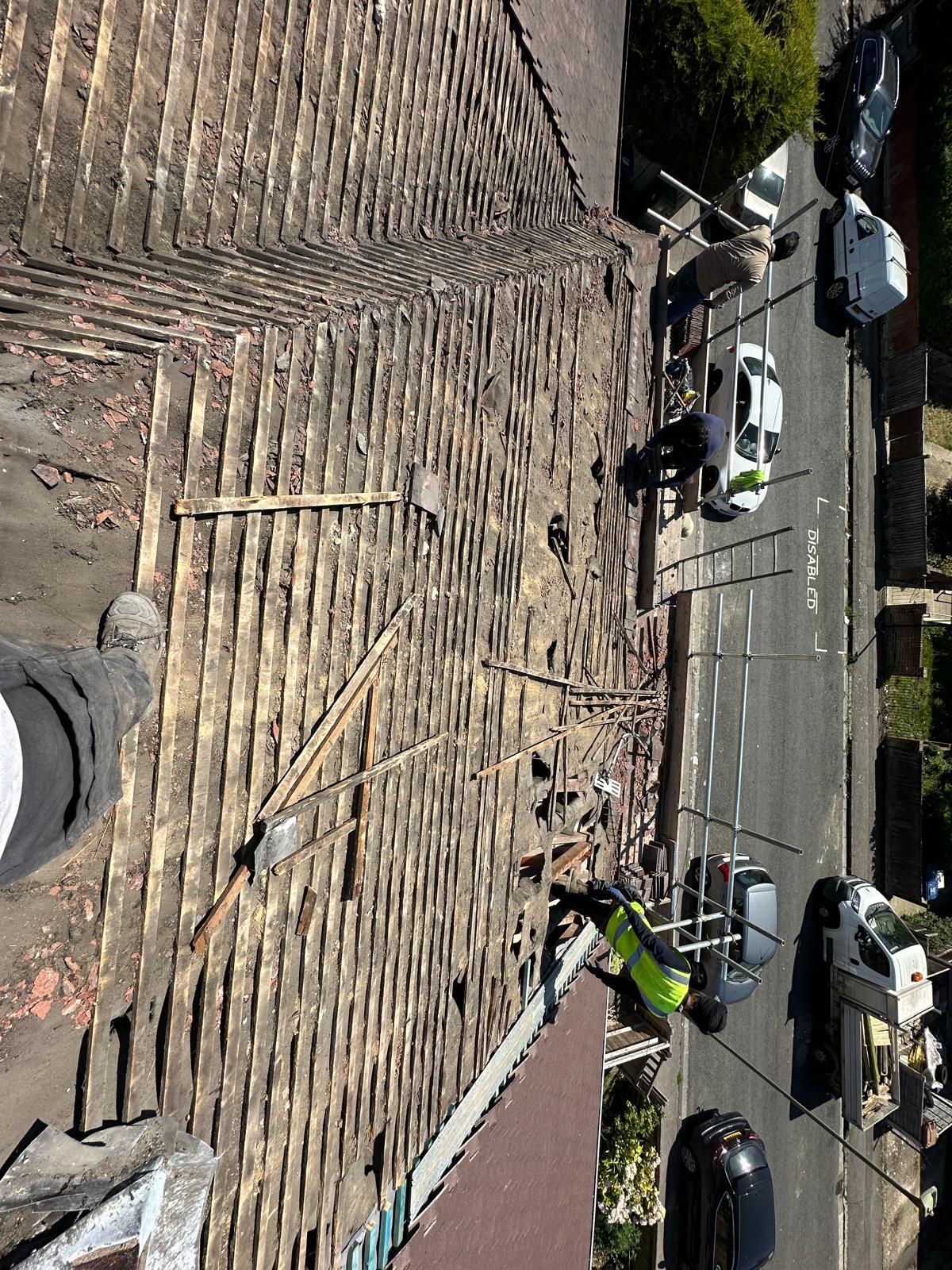
A roofer assesses the covering, ridge, valleys, flashings and loft up close - and gives you the thing you actually need: how long the roof has left and what it'll cost.
The Bristol-Specific Things to Watch
Bristol's housing has some particular roofing quirks worth knowing about when you're buying here, because they carry real cost implications.
Victorian slate and nail sickness. So much of Bristol is Victorian and Edwardian terraces with original slate roofs well over a century old. The slate itself often has decades left, but the iron nails holding it rust and fail - "nail sickness" - and once that starts across a roof, you're looking at a re-roof rather than repairs. A few slipped slates on an old Bristol terrace is worth investigating properly, not shrugging off.
Conservation areas. Large parts of Clifton, Redland, Cotham, Montpelier and beyond are conservation areas, where any roof replacement may have to use like-for-like natural slate and could need consent. That makes a future re-roof more expensive and more constrained than on a modern house, which is a cost worth factoring into what you offer.
Flat-roofed extensions and chimney stacks. Bristol terraces very often have flat-roofed rear additions - felt roofs with a limited life - and prominent Victorian chimney stacks that need periodic repointing. Both are common sources of cost that a quick look won't reveal.
For a fuller picture of what a whole-roof decision involves, our guide on whether you need a roof replacement in Bristol is worth a read before you buy.
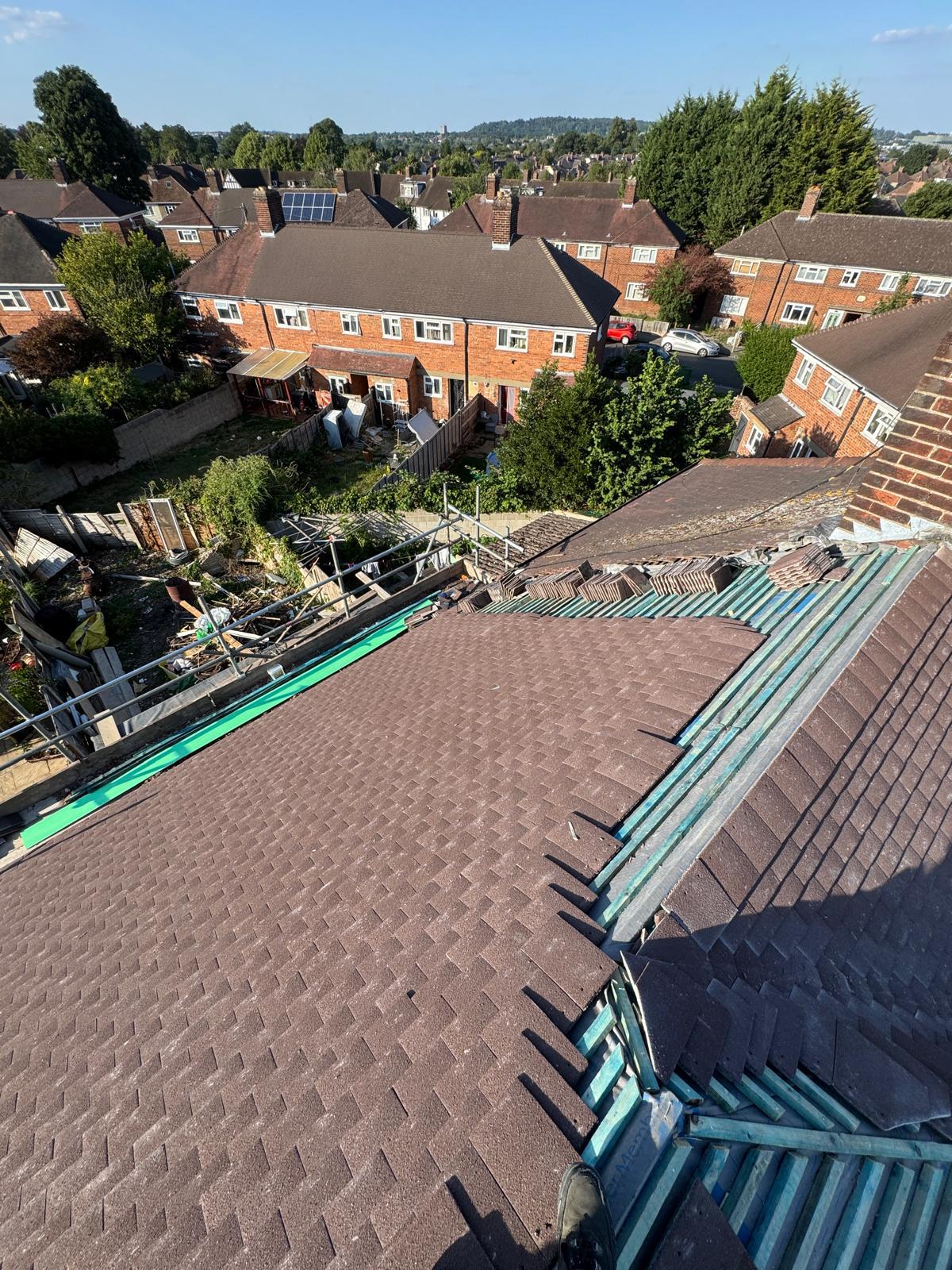
Bristol's Victorian slate, conservation-area rules and flat-roofed extensions all carry cost implications a quick look won't reveal - worth knowing before you offer.
Red Flags When Viewing
You're not a roofer, but there's plenty you can spot yourself at a viewing that tells you whether to look more closely. From outside, stand back and scan the roof for slipped, missing or oddly-coloured patched tiles, a roofline that sags or dips rather than running straight, heavy moss, crumbling chimney mortar, and rusty or lifted lead flashing.
Inside, the tells are subtler. Look at the ceilings on the top floor for damp patches or brown staining - and be a little suspicious of a top-floor ceiling that's been freshly painted a different shade to the rest, which can be hiding a stain that would otherwise prompt questions. A musty, damp smell upstairs is worth noting. And if you can, get your head into the loft: daylight coming through, damp or staining on the timbers, a strong damp smell, or sodden insulation all point to a roof that's letting water in.
None of these is proof of a bad roof on its own, but two or three together is a clear signal to get a professional look before you go any further.
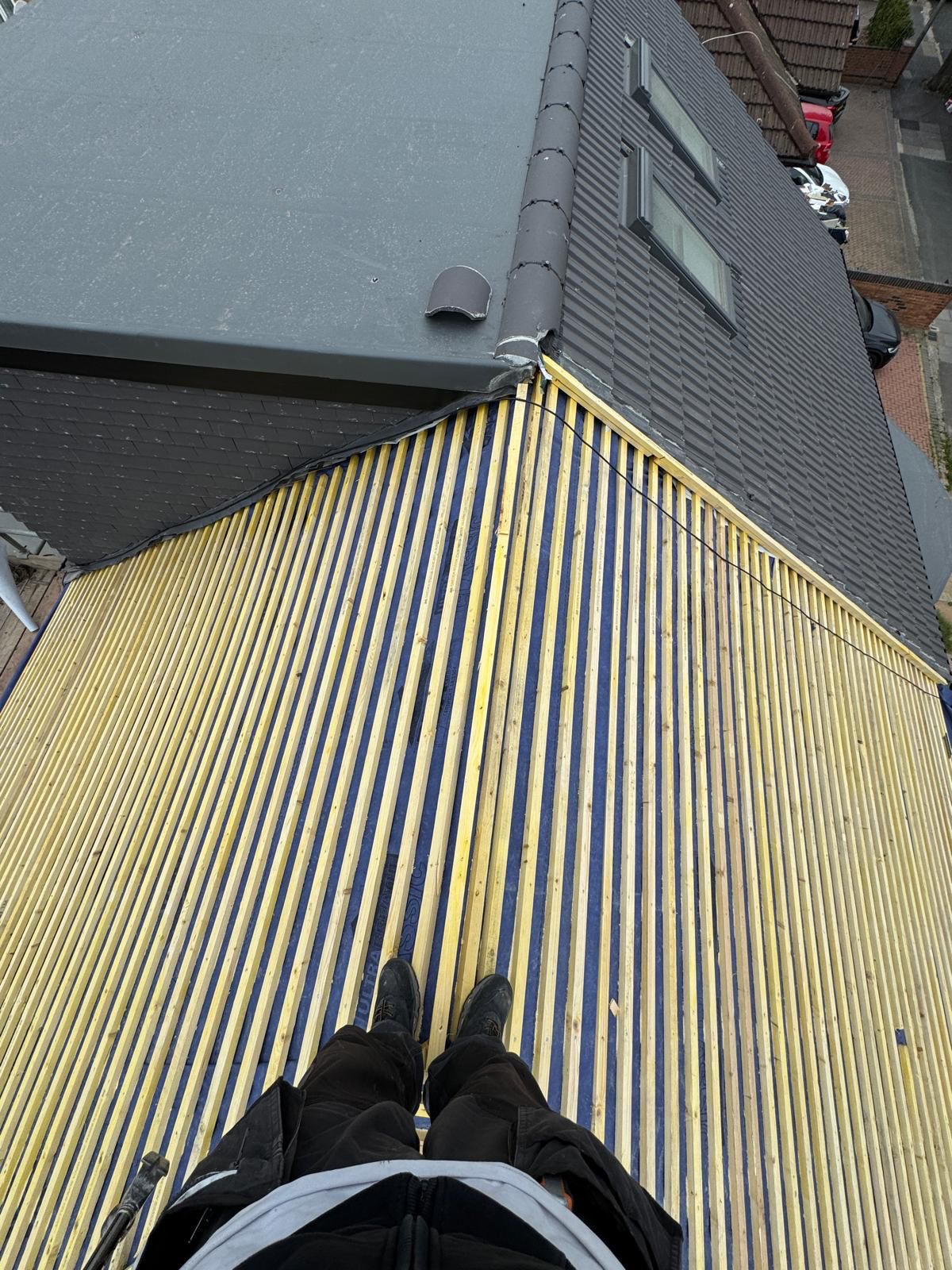
At a viewing, check top-floor ceilings for stains (or suspiciously fresh paint) and get into the loft - daylight, damp timbers or sodden insulation are clear warning signs.
Turning a Roof Problem into a Negotiation
This is the part that makes a pre-purchase roof check pay for itself several times over. A roof problem, properly documented, is a negotiating tool - not just a worry to lie awake over.
If a roofer assesses the roof and finds it needs significant work, you get a written summary and a rough cost. That turns a vague concern - "the roof looks a bit old" - into a concrete figure you can take to the negotiating table. You can ask the seller to reduce the price by some or all of the cost, or ask them to carry out the work before completion. Sellers take a documented professional estimate far more seriously than a buyer's hunch, and many purchases are adjusted on exactly this basis.
Even if the roof turns out to be sound, you've bought certainty for very little - you know you're not walking into a five-figure surprise, and you can proceed with confidence. Either way, the information is worth far more than it costs. Our guides to roof repair costs and roof replacement costs in Bristol give you a sense of the figures you'd be negotiating with.
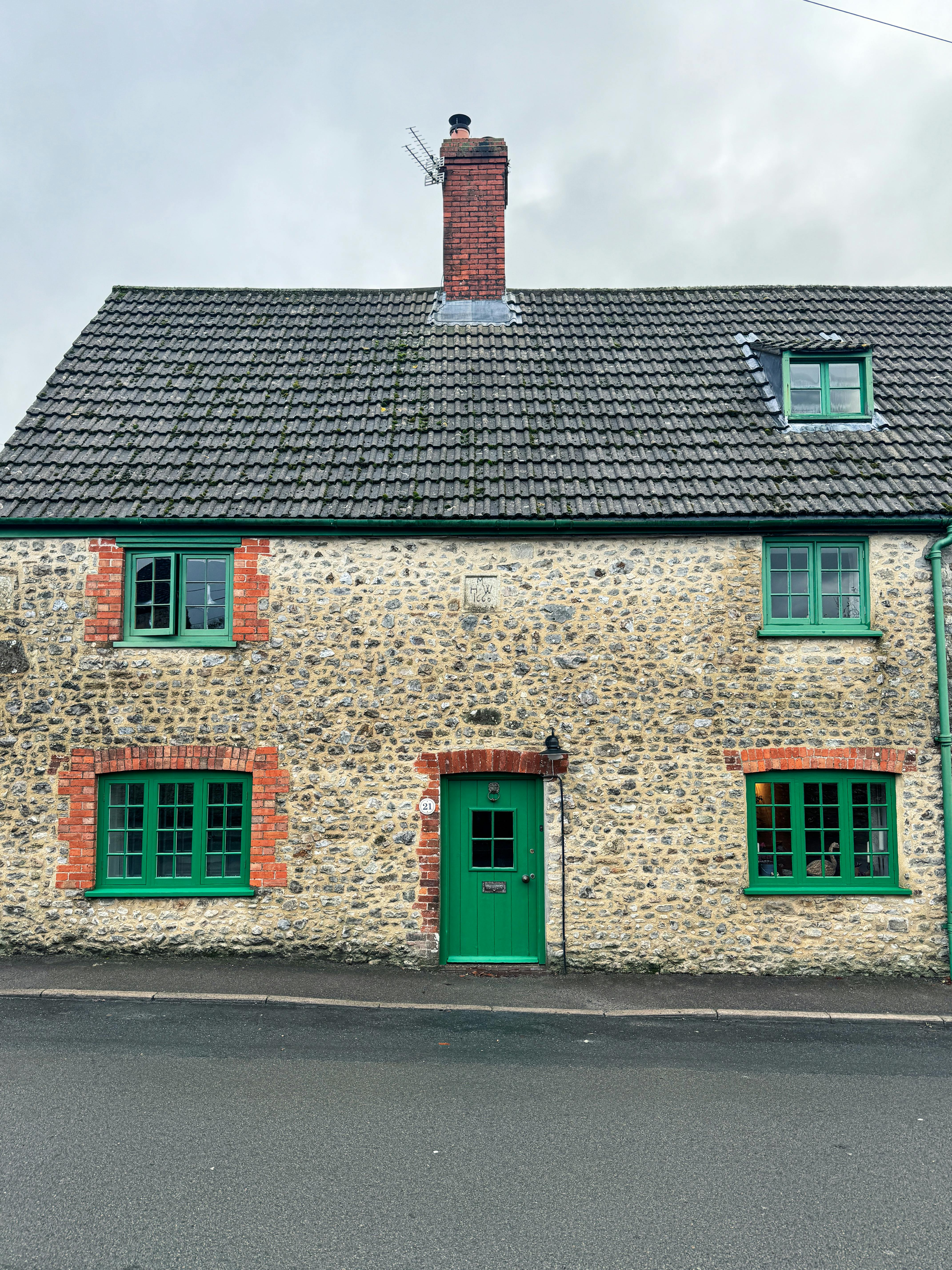
A written roofer's assessment turns "the roof looks old" into a concrete figure you can negotiate with - many purchases are adjusted on exactly this basis.
When to Get a Roofer In
Timing matters. The point to get a roof checked is after your offer is accepted but before you exchange contracts - the same window as the survey. That's when you still have the freedom to renegotiate or walk away, but you're serious enough about the property to be worth the effort.
If the survey has flagged the roof, or the house is older, has an obviously tired roof, or has flat-roofed extensions, it's well worth arranging a roofer's look alongside the survey. We offer free assessments across Bristol, so a pre-purchase roof check can cost you nothing and could save you thousands - or simply give you the confidence to proceed. When choosing anyone for the work, the National Federation of Roofing Contractors and the TrustMark scheme let you check they're properly vetted. And once you've moved in, our roof repair service is here for whatever the roof needs next.
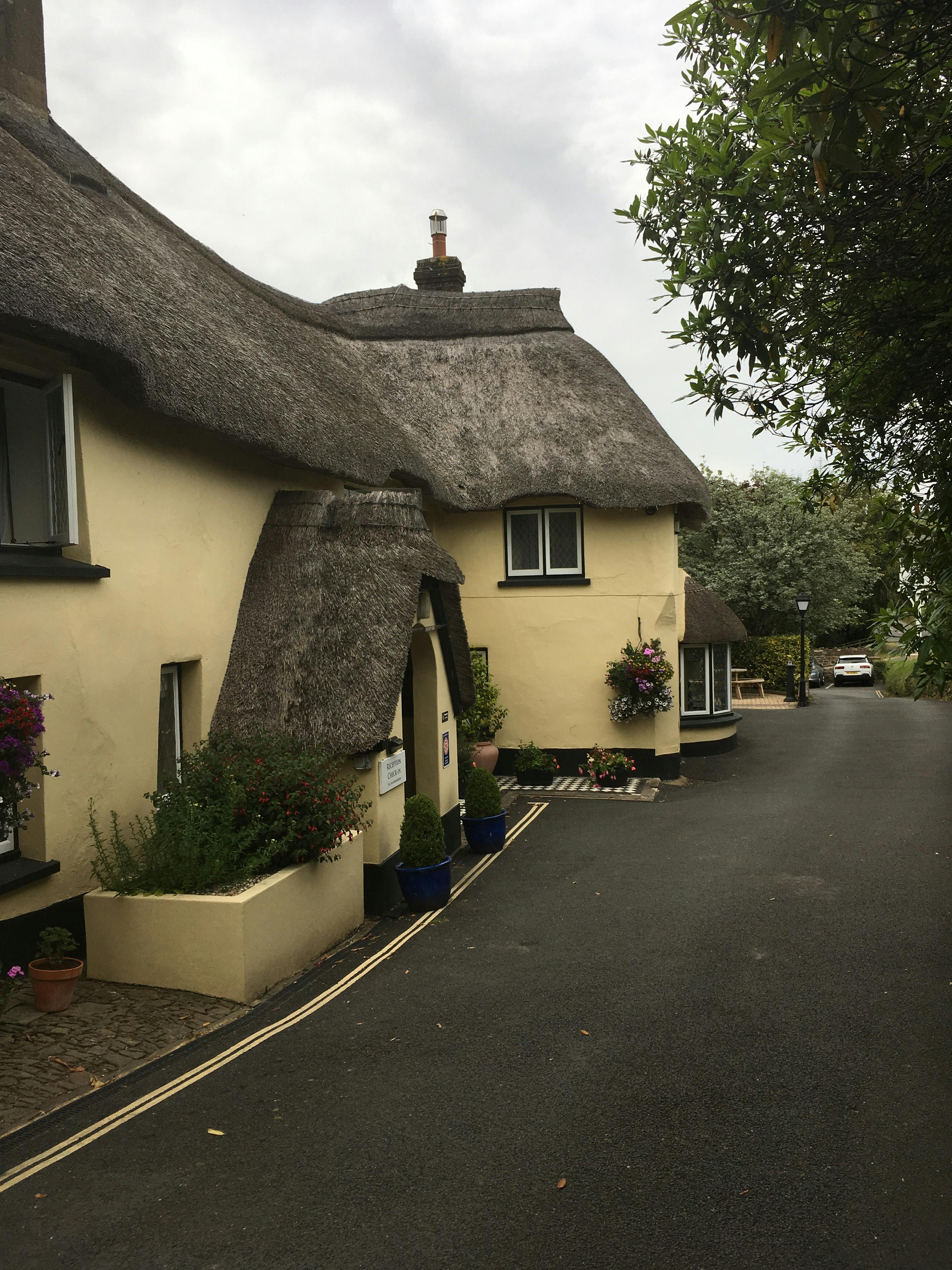
Get the roof checked after your offer is accepted but before you exchange - the window when you can still renegotiate or walk away.
Frequently Asked Questions
Buying a house in Bristol? Let's check the roof.
Before you exchange, get a roofer's honest view on the biggest hidden cost in the property. We offer free, no-obligation pre-purchase roof assessments across Bristol, with a clear summary of the roof's condition and rough costs for any work - useful whether you're deciding or negotiating.
Book a Free Assessment