If your house is expensive to heat and never quite feels warm, there's a decent chance a lot of that heat is disappearing straight out through the roof. Roof insulation is one of the cheapest, most effective improvements you can make to a Bristol home, and it pays for itself faster than almost anything else. But there's more to it than shoving a bit more wool in the loft - get it wrong and you can trade a warm house for a damp one. This guide covers how roof insulation works, the cold-roof-versus-warm-roof question, the ventilation trap, the grants available, and what it costs and saves.
Why the Roof Is Where the Heat Goes
Heat rises. It's the most basic bit of physics in your house, and it means the roof is where warmth heads and, if nothing stops it, leaves. In a home with no loft insulation at all, around a quarter of the heat you pay for goes straight out through the top. That's money drifting up through the ceiling every time the heating clicks on.
Bristol has a lot of homes that feel this keenly. The city is full of solid-wall Victorian and Edwardian terraces - Bedminster, Easton, Totterdown, Redland, St Andrews - which were built long before anyone thought about insulation and are inherently harder and more expensive to heat than a modern house. You can't easily insulate a solid wall, but the roof is the one place where a big, affordable improvement is genuinely within reach. That's why, for most older Bristol homes, sorting the roof insulation is the first and best move on energy efficiency.
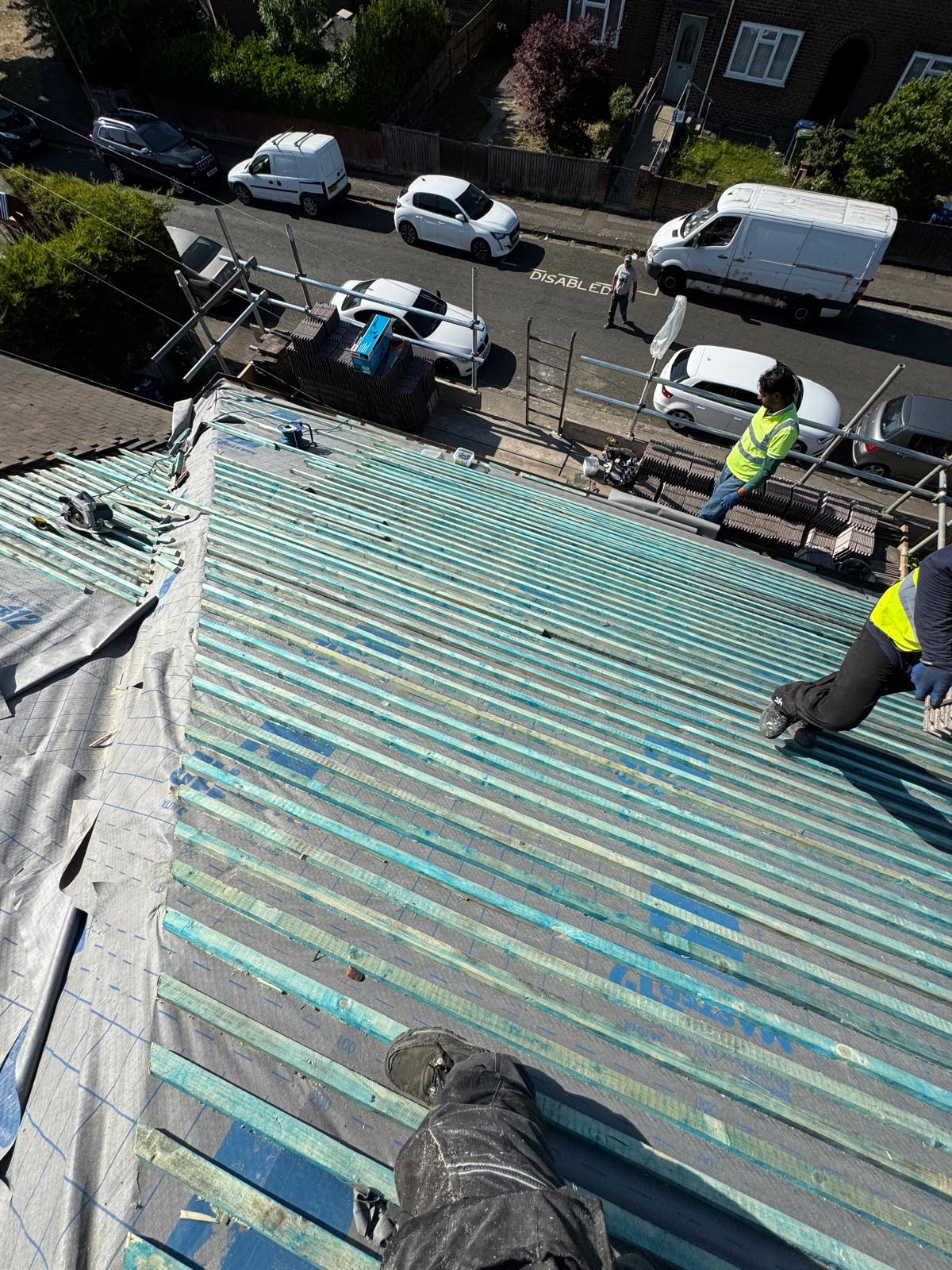
Around a quarter of the heat in an uninsulated home escapes through the roof - and Bristol's solid-wall Victorian terraces are hard to heat, so the roof is the best place to fix it.
Loft Insulation: The Cheapest Win
For most homes with a standard, unused loft, the simplest and cheapest improvement is laying insulation across the loft floor - between and over the joists. It's the classic roll of mineral wool, and it works because it traps the warm air in the rooms below rather than letting it drift up into a cold loft and away.
The current recommended depth is around 270mm. A lot of older Bristol lofts have far less - 100mm laid decades ago, or in some cases nothing at all - so topping it up to the full depth is a cheap, high-impact job. It's one of the few home improvements where the payback is measured in a couple of years, not decades.
One important caveat: if you use your loft for storage, or it's a converted room, straightforward floor insulation isn't the right answer - you either need boarded insulation that maintains the depth under the boards, or a completely different approach at rafter level, which is the next section.
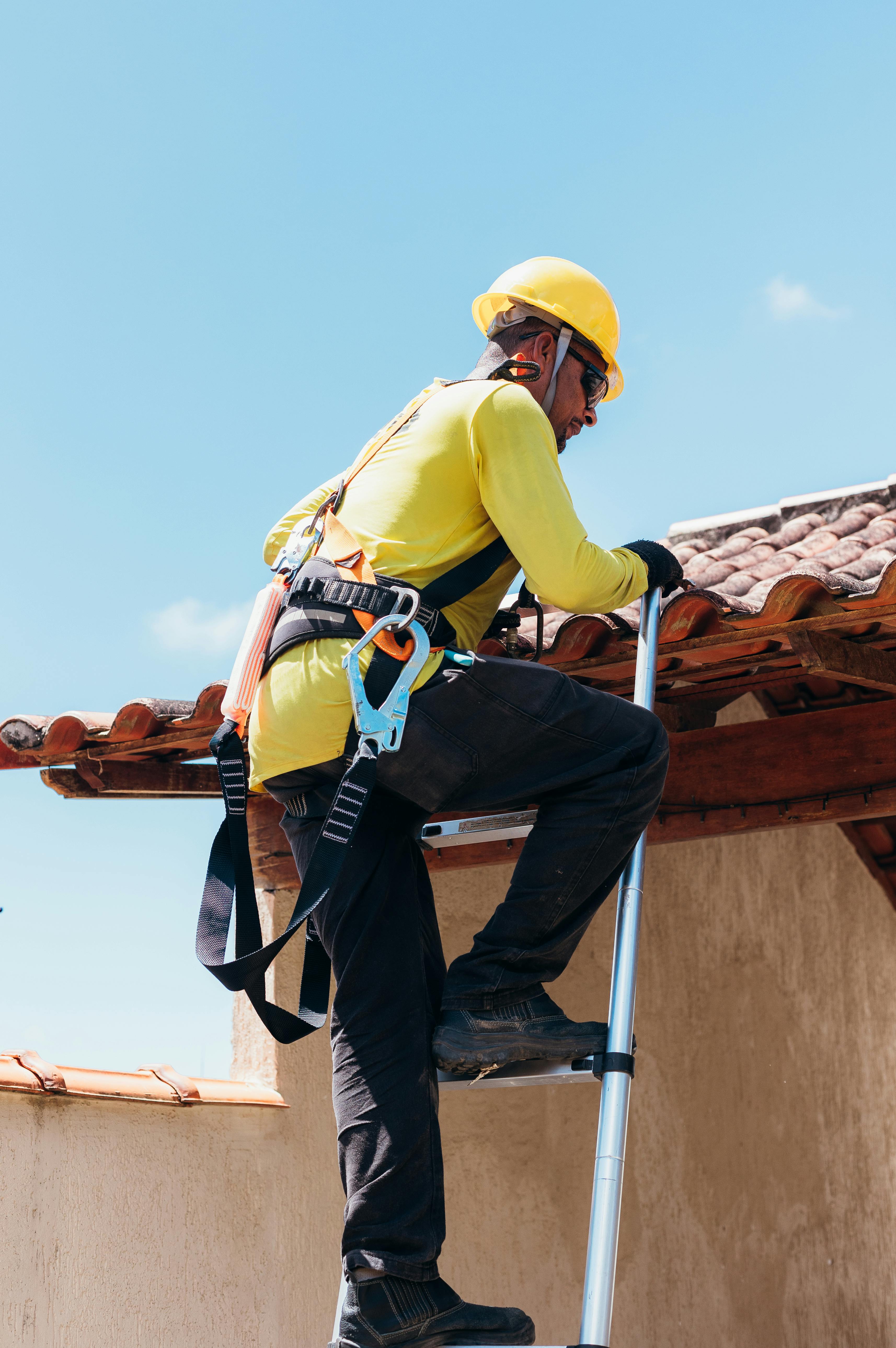
Insulation laid across the loft floor to around 270mm is the cheapest win - many older Bristol lofts have far less, so topping it up pays back in a couple of years.
Cold Roof vs Warm Roof: Which Do You Need?
This is where roof insulation gets a bit more technical, but it matters, because choosing the wrong type causes real problems. There are two fundamental approaches:
A cold roof has the insulation at ceiling level - across the loft floor. The loft space above it stays cold and ventilated, which is exactly what you want for a loft that's just a void. This is the standard, cheapest set-up for most houses, and it's what loft floor insulation gives you.
A warm roof has the insulation at rafter level, following the slope of the roof itself, so the space beneath stays warm and usable. You need a warm roof for a loft conversion or any room in the roof - there's no point converting a loft into a bedroom and then leaving it outside the insulation. It's more involved and more expensive than floor insulation, and it's usually done as part of a conversion or a re-roof. Flat roofs have their own warm-roof build-up too.
The key thing is to match the insulation to how the space is used. A cold roof under a converted bedroom, or a warm roof set-up done badly, leads straight to the condensation problems we cover next.
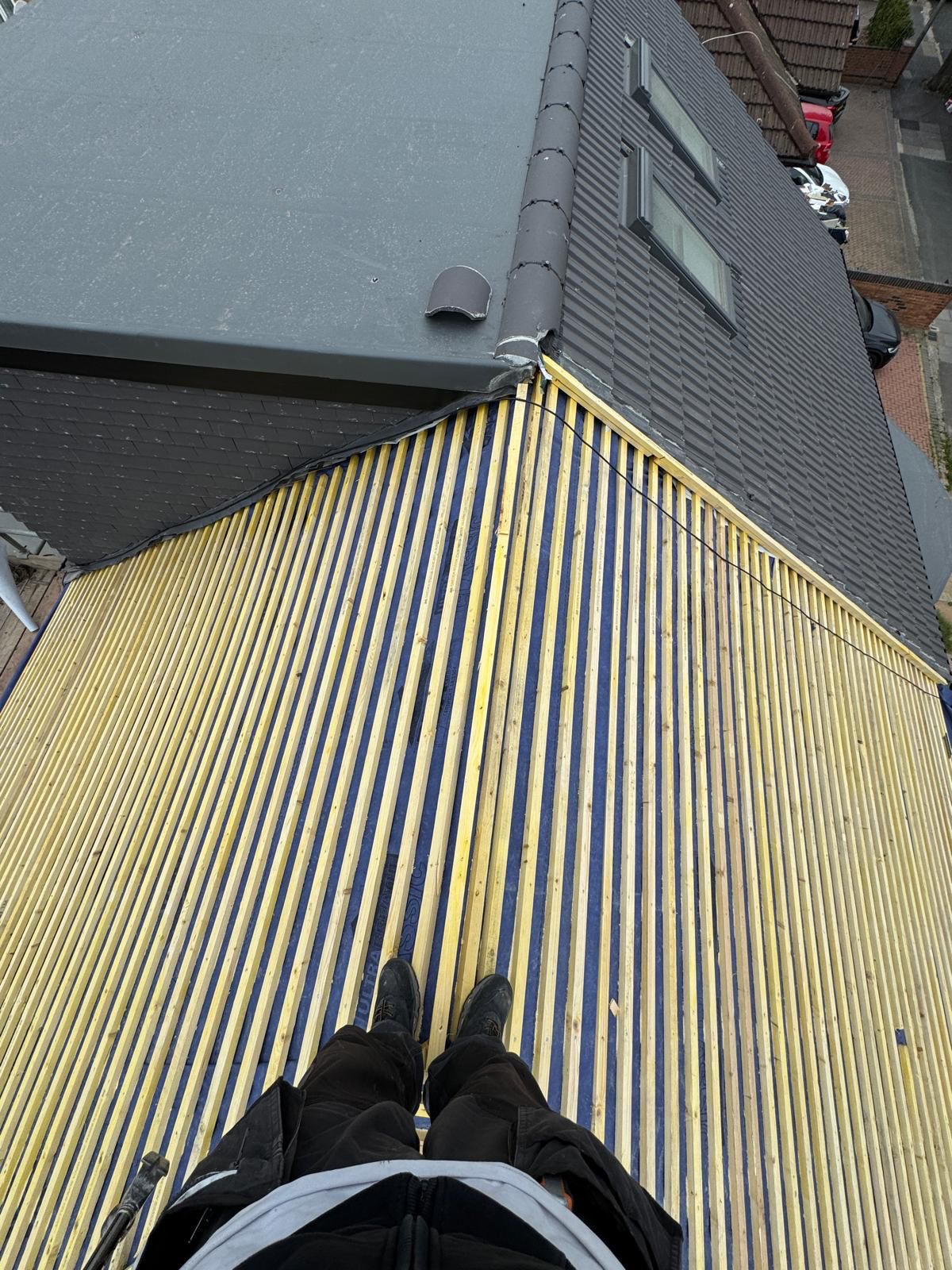
A cold roof insulates at loft-floor level for an unused void; a warm roof insulates at rafter level for a converted room. Matching the type to the use is what matters.
The Ventilation Trap: Warmer Isn't Always Better
This is the mistake that catches out a huge number of well-meaning insulation jobs, so understand it before you add a scrap of wool. Insulate a loft and you make the space above it colder - the warmth that used to leak up and keep it mild is now trapped below where you want it. But a colder loft is more prone to condensation, and if the ventilation isn't right, you can end up with a damp, mouldy roof space instead.
The classic error is stuffing the new insulation right into the eaves, blocking the gap where air used to flow into the loft. The loft goes cold, the airflow stops, and moisture from the house condenses on the cold roof surfaces. We get called to damp lofts caused by exactly this - insulation added with the best intentions and no thought to ventilation. The fix is to keep a clear air path at the eaves and add ventilation where needed, which we cover in detail in our guide to roof ventilation and condensation in Bristol lofts.
The message isn't "don't insulate" - it's "insulate and ventilate together". Done properly, you get a warm house and a dry loft. Done as a rushed DIY job, you can swap one problem for a worse one.
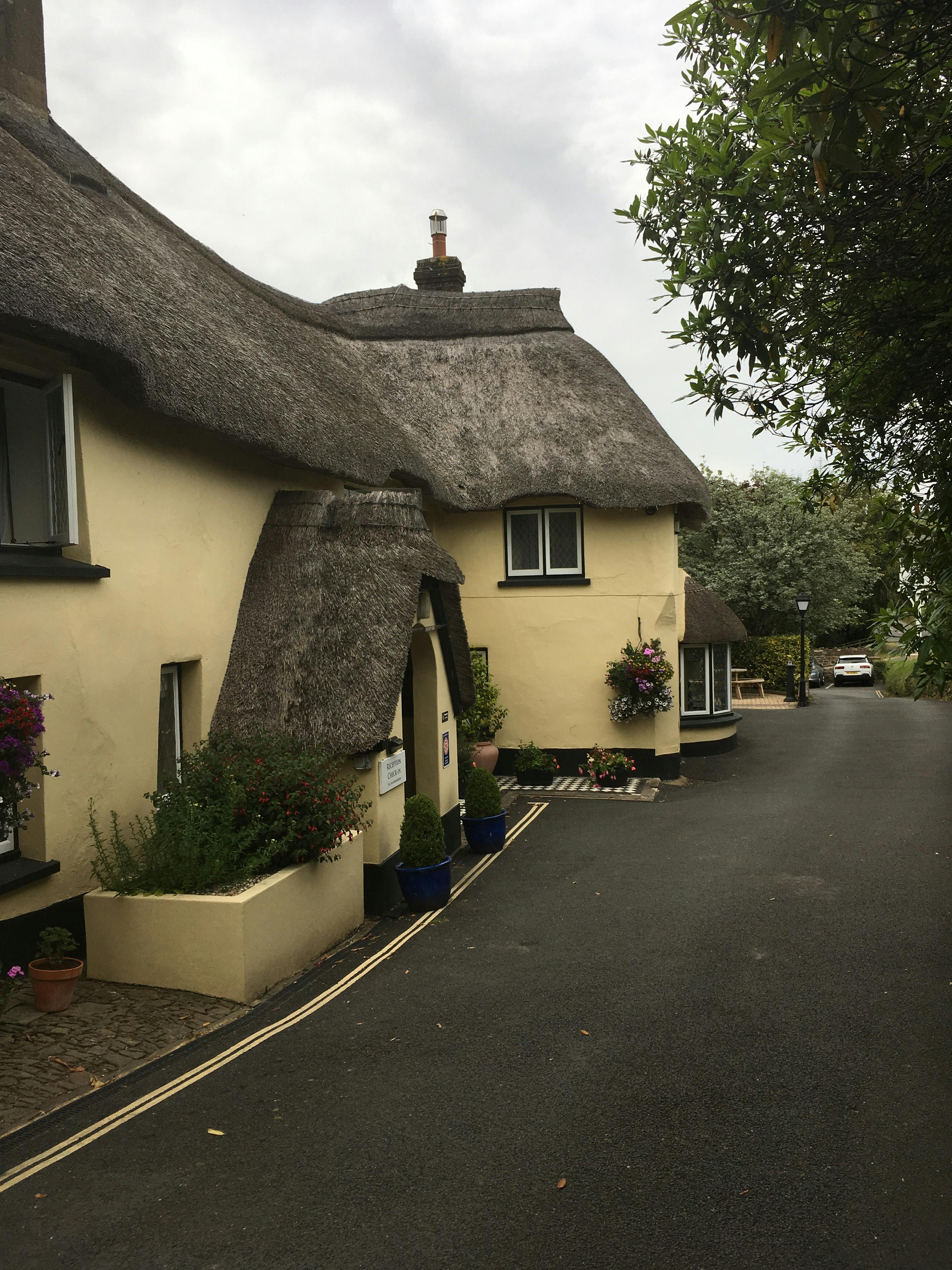
Insulating makes the loft colder and more prone to condensation - stuffing wool into the eaves blocks the airflow, so insulation and ventilation have to be done together.
Insulating During a Re-Roof
If your roof is coming up for replacement anyway, that's the golden opportunity to sort the insulation and ventilation properly, because the roof is open and everything is accessible.
When we strip and re-cover a roof, we fit a new breathable membrane as standard, which helps the roof manage moisture. It's also the ideal moment to build in rafter-level insulation for a warm roof if the loft is or will be living space, to improve the ventilation, and to upgrade anything that's been bodged over the years. Doing all this while the roof is off is far cheaper and neater than retrofitting it later through a finished ceiling.
So if you're already weighing up a roof replacement - covered in our guides on whether you need a roof replacement in Bristol and our roof replacement service - it's well worth factoring the insulation and ventilation into the conversation from the start rather than treating them as a separate job.
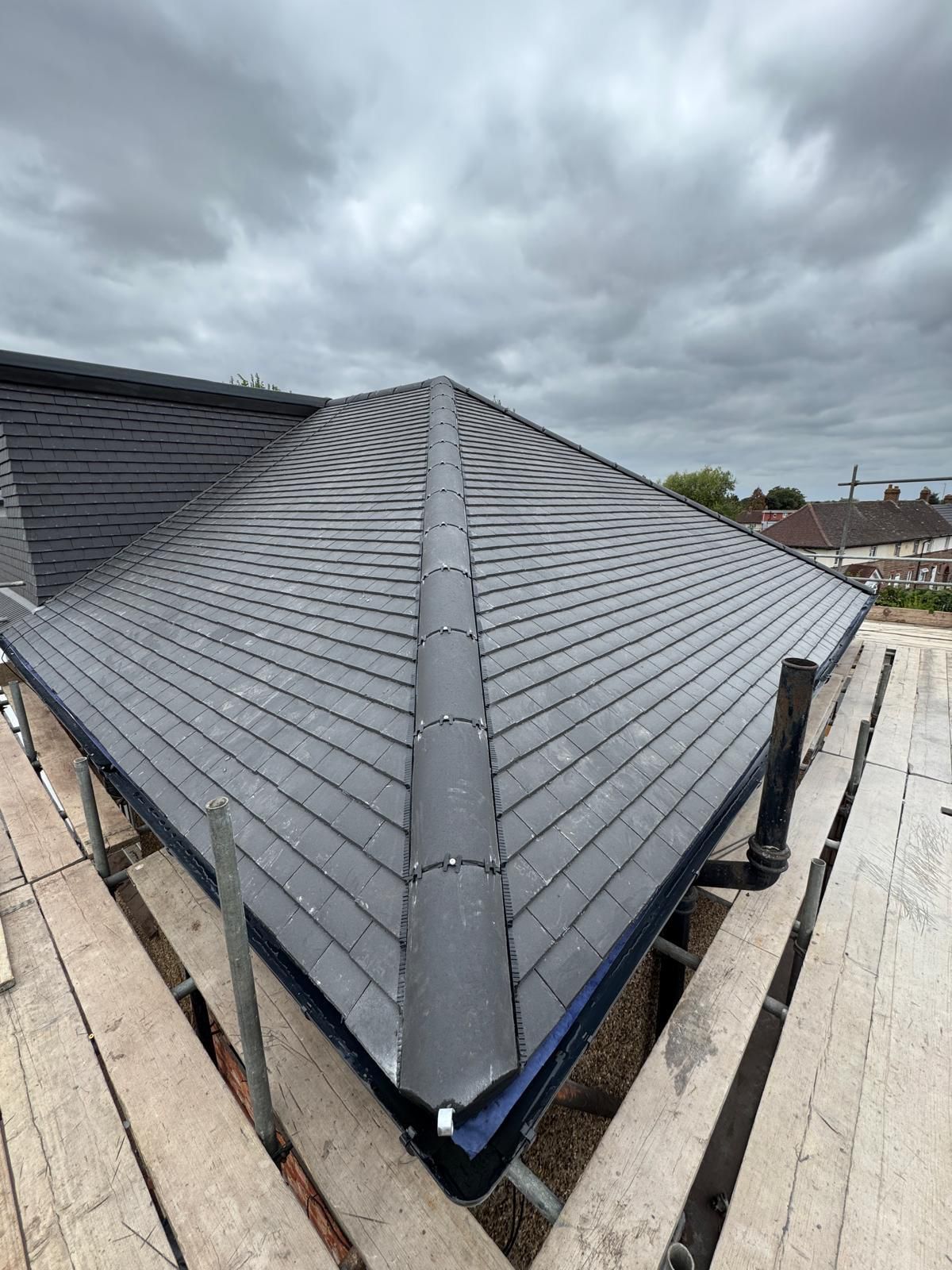
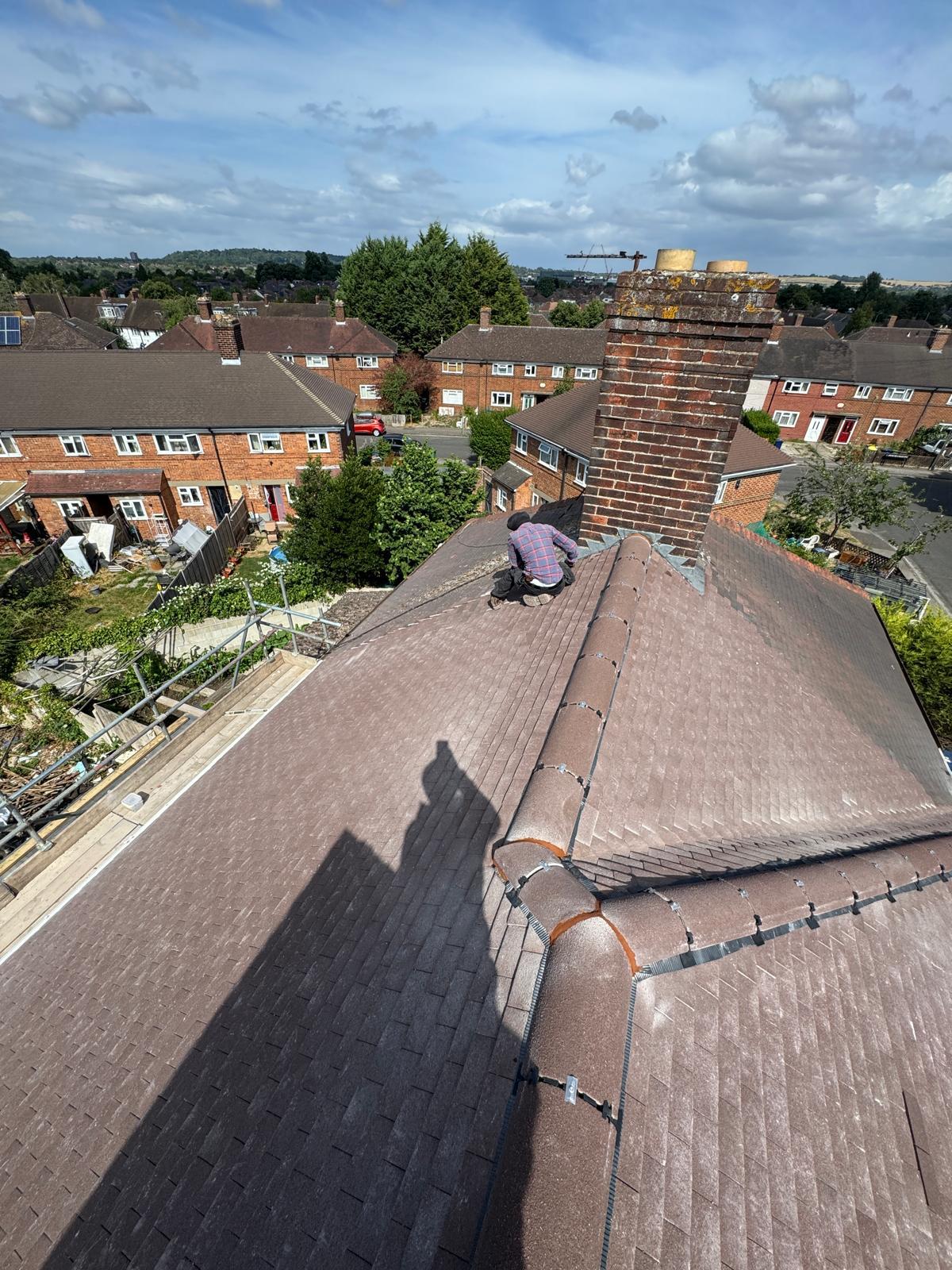
A re-roof is the ideal time to upgrade insulation and ventilation - a new breathable membrane and rafter-level insulation are far cheaper to fit while the roof is open.
Grants, Schemes and the EPC
Roof insulation is one of the improvements government energy-efficiency schemes most often help with, so it's worth checking whether you qualify before you pay in full. The schemes change over time and are usually based on things like household income, benefits, or the property's energy rating, but loft insulation is a common measure they cover because it's cheap and effective. The official GOV.UK energy-efficiency and grants pages are the right place to see what's currently available and who's eligible.
It's also worth knowing your home's Energy Performance Certificate (EPC) rating. The EPC gives a property an energy grade and specifically recommends improvements, and roof or loft insulation is one of the most common recommendations on older Bristol homes. You can look up an existing certificate on the GOV.UK EPC register. A better EPC helps at sale or rental as well as saving you money day to day, so improving the roof insulation ticks more than one box.

Roof insulation is one of the measures government grants most often cover and one of the most common EPC recommendations - worth checking your eligibility before paying in full.
What It Costs and Saves in Bristol (2026)
Rough guide figures for roof insulation work on a typical Bristol home in 2026:
- Topping up loft floor insulation to 270mm: £400 - £900, less if you qualify for a grant.
- Boarded/storage loft insulation: £900 - £2,000 depending on area.
- Warm-roof insulation at rafter level (as part of a conversion or re-roof): priced within the wider job.
- Adding eaves ventilation alongside insulation: £300 - £900.
The savings depend on the house and how little insulation it started with, but for an older Bristol home going from very little insulation to the recommended depth, loft insulation is one of the fastest-paying improvements you can make - often recovering its cost within a couple of years through lower heating bills, then saving money every winter after that. Add the comfort of a house that actually holds its heat, and it's an easy decision. When choosing anyone for the work, the National Federation of Roofing Contractors and the TrustMark scheme let you check they're properly vetted, and it's worth doing the insulation before winter - see our guide to preparing your roof for winter in Bristol.
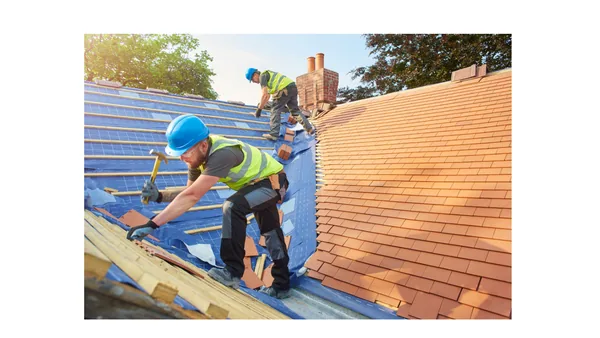
For an older Bristol home starting with little insulation, topping up the loft is one of the fastest-paying improvements there is - and the house finally holds its heat.
Frequently Asked Questions
Cold house, big heating bills?
We sort roof and loft insulation across Bristol - done properly, with the ventilation right so you get a warm house and a dry loft, not one at the expense of the other. Book a free, no-obligation assessment and we'll tell you honestly what would make the biggest difference.
Book a Free Assessment