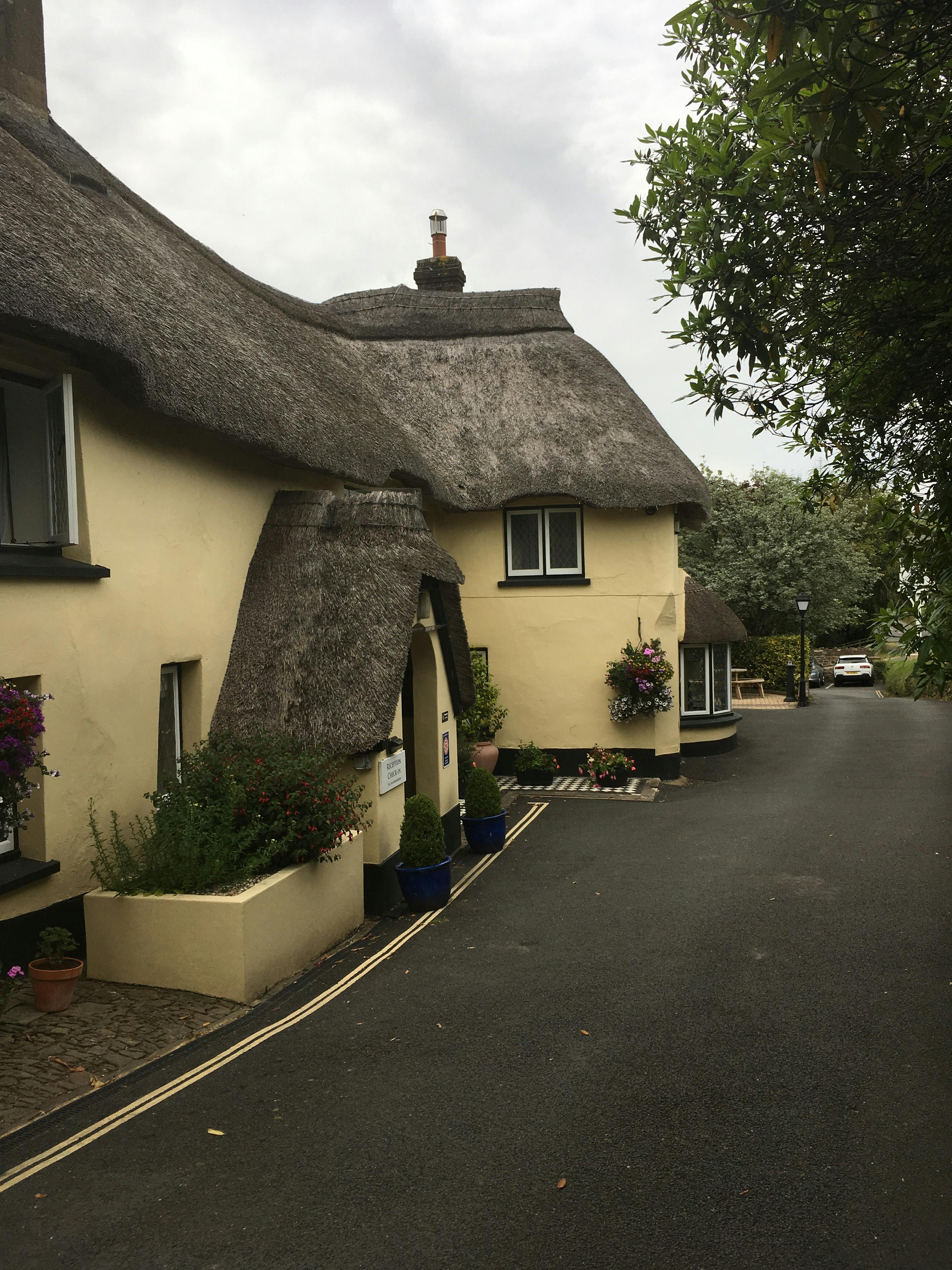
Roofs don't tend to fail on a still summer's day. They fail at 2am in the middle of the first proper storm, when a loose tile finally lets go or a tired bit of flashing gives up under driving rain. The good news is that most winter roof emergencies are avoidable, and the window to avoid them is now - a bit of checking in the mild, dry weeks of early autumn saves a lot of stress, mess and money once the Atlantic weather arrives. Here's a practical checklist for getting a Bristol roof ready for winter.
Why Autumn Is the Time to Check Your Roof
Timing matters here, and Bristol's weather is the reason. The city sits squarely in the path of Atlantic weather systems that roll in from the south-west, and it gets well over 800mm of rain a year - a good chunk of it from autumn onward. The Met Office storm-naming season begins in early autumn, which tells you when the damaging winds start in earnest.
It's the same story every year. A roof coasts through a dry summer with a cracked tile here, a bit of loose flashing there, no harm done because nothing's testing it. Then the first proper blow of autumn arrives, finds every one of those weaknesses in a single night, and the phones start ringing. A twenty-minute look in September, while it's still mild enough to sort things calmly, is what heads off the 2am call-out in December.
You can do a surprising amount of this checklist yourself from ground level and from inside the loft. The one rule: don't climb onto the roof. Leave anything at height to a roofer.

Early autumn, before the storms arrive, is the time to check a Bristol roof - small problems fixed in the dry are far cheaper than emergencies in December.
1. Clear the Gutters and Downpipes
Start here, because blocked gutters do more winter damage than almost anything else on a roof. Through autumn they fill with leaves, moss and debris, and once they're blocked the water has nowhere to go. It backs up under the roof edge, spills down the walls, and in a hard frost the trapped water freezes, expands, and splits the joints or drags the gutter off its brackets.
From the ground, look for plants growing out of the gutters, water marks or green staining down the wall below them, and sagging sections. During rain, watch for water sheeting over the front edge rather than running to the downpipe - a sure sign of a blockage. Clearing them before winter is a small job that prevents a lot of grief. Our guide to gutters and downpipes in Bristol covers what happens when they're left, and when it's worth repairing versus replacing.
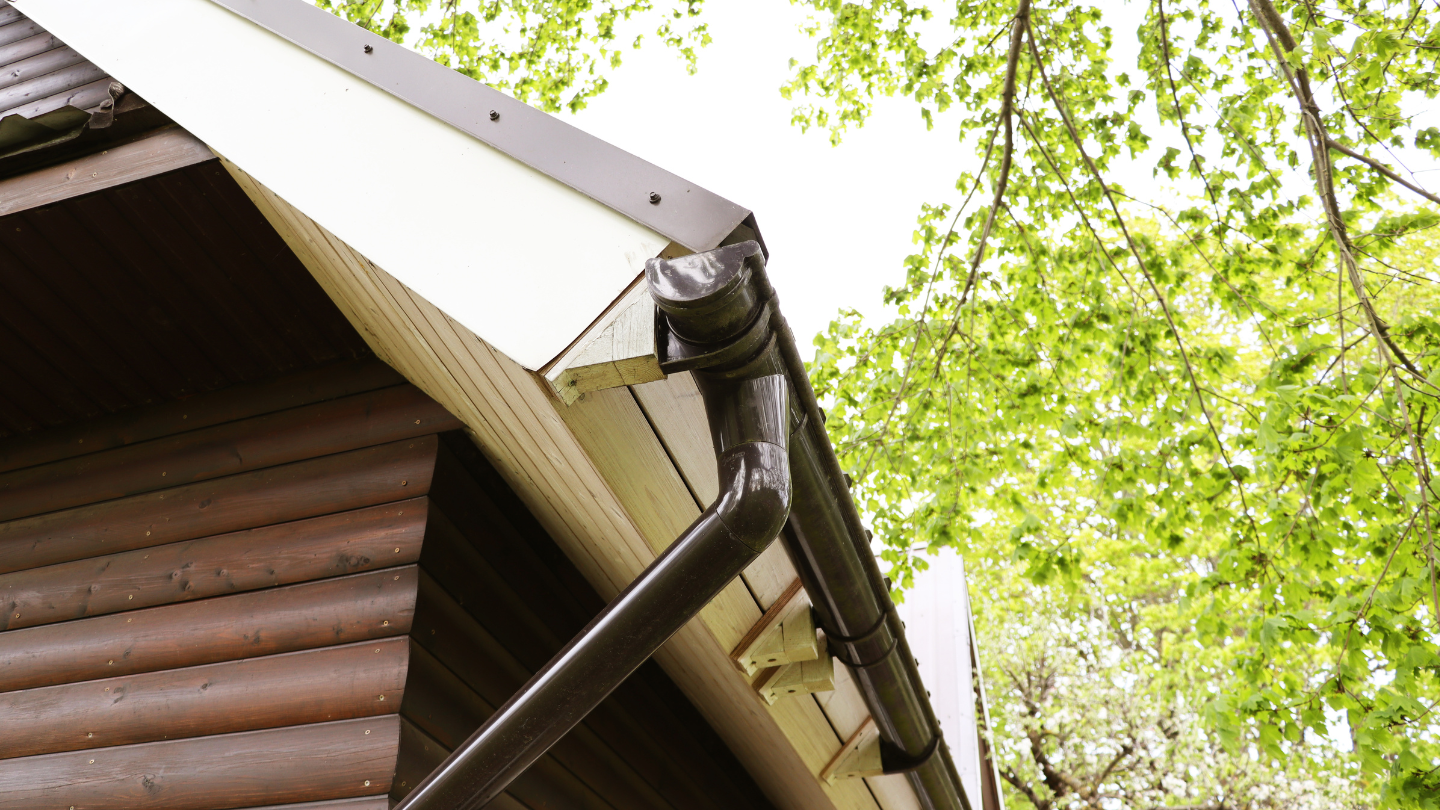
Blocked gutters cause more winter damage than almost anything - water backs up under the roof edge, overflows the walls, and splits joints when it freezes.
2. Look for Slipped, Cracked or Missing Tiles
A single displaced tile or slate is the classic cause of a winter leak. It only takes one gap to let wind-driven rain in, and autumn winds tend to turn one loose tile into several.
Stand back from the house, ideally with binoculars, and scan the roof slopes. Look for gaps or dark patches where a tile has gone, tiles sitting lower or at an angle to their neighbours, and any debris - broken tile or slate - on the ground or in the gutters. On Bristol's many Victorian slate roofs, slates that have started to slip are often a sign of ageing nails, which we cover in our guide to slipped and broken slates in Bristol. If you spot even one displaced tile, it's worth getting sorted before the weather tests the gap.
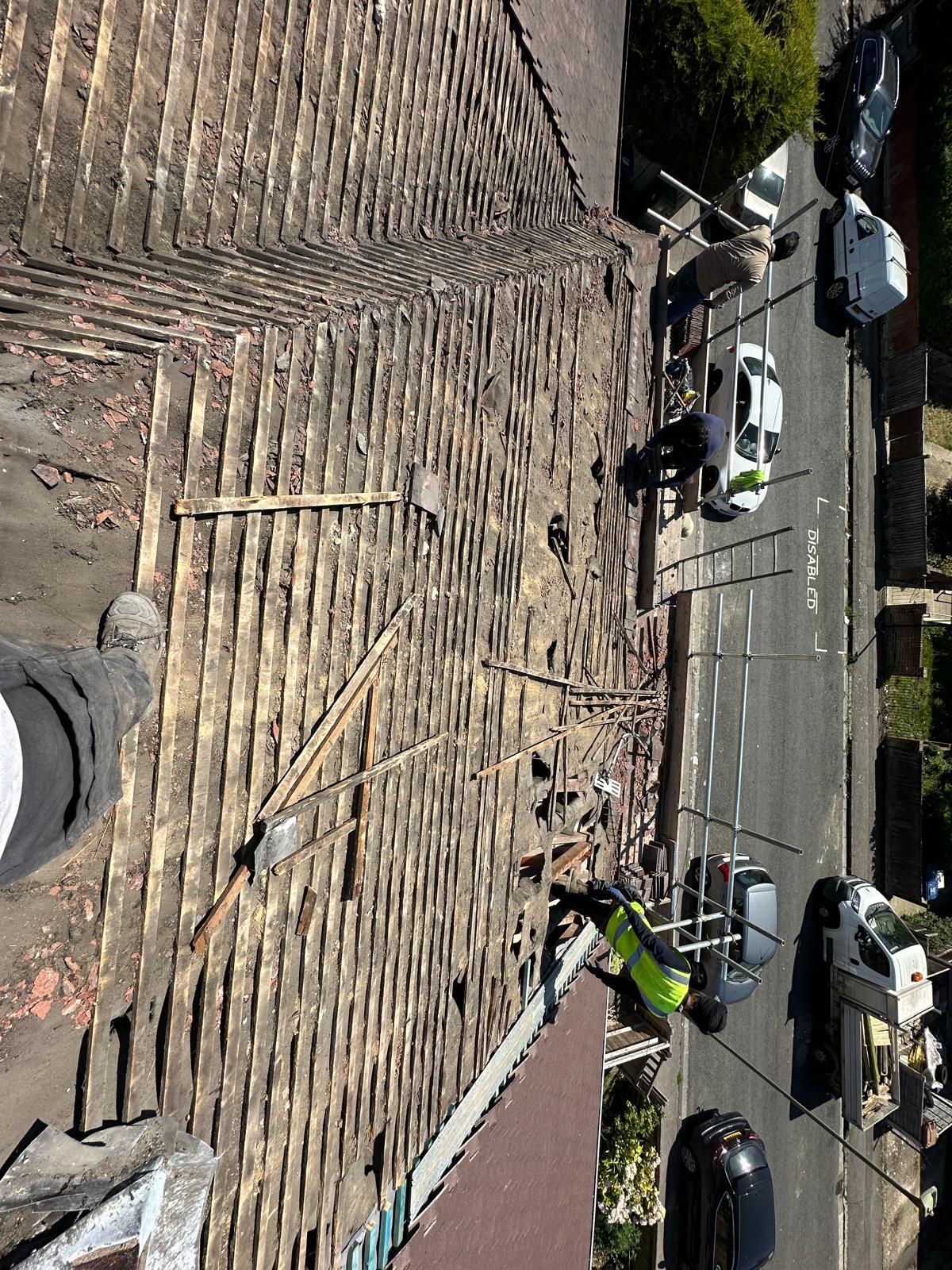
One slipped or cracked tile is all it takes for wind-driven rain to get in - and autumn gusts tend to turn one loose tile into several.
3. Check the Flashings, Chimney and Pointing
The joints where the roof meets something else - a chimney, a wall, a valley - are where a lot of leaks start, and they're worth a look before winter. The lead flashing that seals these junctions can lift, crack or pull away from its mortar joint over time, and once it does, water runs straight in.
From the ground, look at the lead around the chimney and any roof junctions for anything obviously lifted, split or hanging loose. Check the chimney stack itself for crumbling mortar joints or loose brickwork - the chimney is the most exposed part of the roof and takes the brunt of the weather. Our guides to lead flashing repairs and chimney repairs and repointing in Bristol go into what to look for in detail. These are both jobs to get done before the wet season rather than during it.
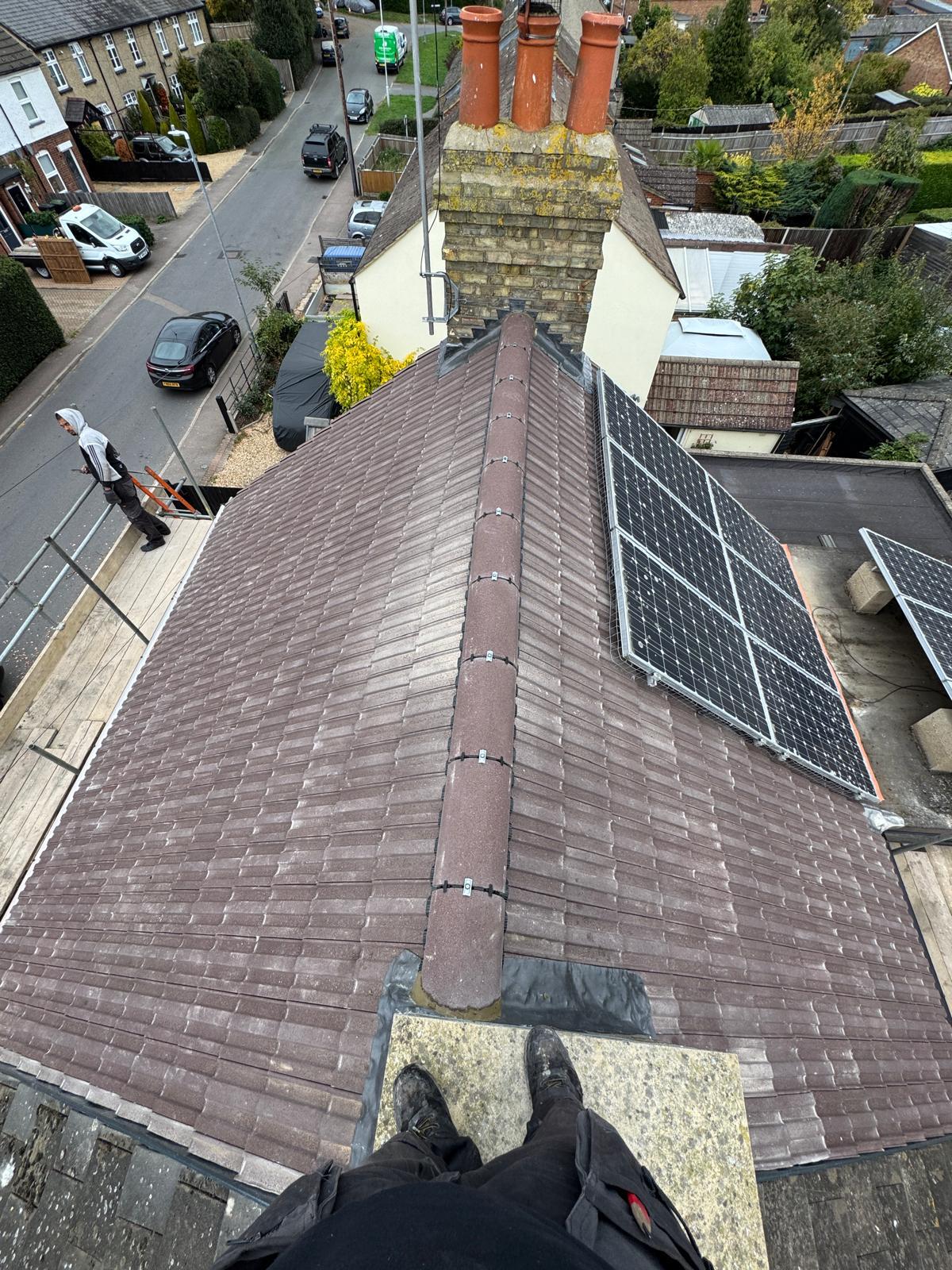
Flashings and chimney pointing are where many leaks start - lifted lead or crumbling mortar around the stack should be sorted before the wet season.
4. Deal with Heavy Moss and Debris
Bristol's damp, mild climate grows moss readily, especially on north-facing slopes and under trees in the leafier suburbs. A light film of algae is mostly cosmetic, but thick moss is worth dealing with before winter for two reasons: it holds water against the tiles, which accelerates frost damage, and clumps of it break off and wash into the gutters, blocking the very drainage you've just cleared.
If your roof is heavily mossed, autumn is a sensible time to have it professionally cleared and treated - by hand and biocide, never with a pressure washer, which strips the tiles and does more harm than the moss. Our guide to moss and algae roof cleaning in Bristol explains why the method matters so much.

Heavy moss holds water against the tiles and washes into gutters - worth clearing before winter, by hand and biocide rather than a pressure washer.
5. Check the Loft: Damp and Ventilation
The last check is one you do from inside, and it's the one people skip. Head up into the loft on a dry day with a torch and look around. You're checking for a few things: daylight coming through where it shouldn't, damp patches or staining on the timbers or felt, and any sign of water having got in.
While you're up there, look for condensation and black mould, especially on the underside of the felt. That's often a ventilation problem rather than a leak, and winter makes it worse as the warm, moist air from the house below meets a cold roof. A damp, poorly ventilated loft going into winter is a recipe for rot and mould, so it's worth sorting - our guide to roof ventilation and condensation in Bristol lofts explains how to tell the difference and what fixes it.
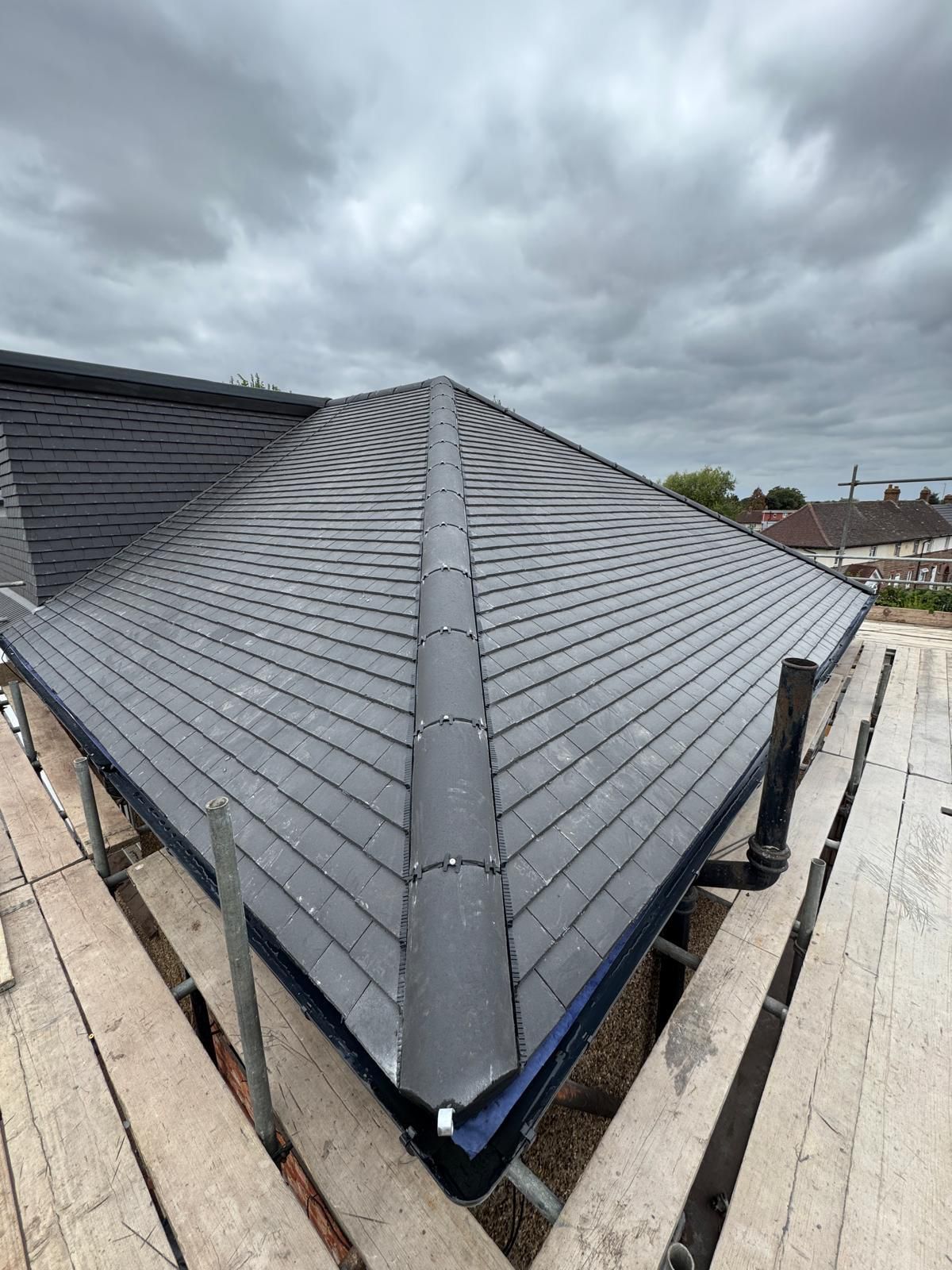
A dry-day loft check with a torch catches daylight, damp and condensation - a poorly ventilated loft going into winter is a recipe for rot and mould.
What to Do If You Find a Problem
If your checks turn something up, the single best thing you can do is deal with it now rather than hoping it holds until spring. A slipped tile or a bit of failed flashing is a quick, inexpensive fix in October. Left through the winter, that same small fault lets in water that soaks timbers, ruins insulation and stains ceilings, turning a £150 job into a much bigger one.
The one thing not to do is get up on the roof yourself to fix it. Falls from roofs and ladders are among the most common causes of serious injury in home DIY, and it's more so on a cold, wet or windy autumn day. Note what you've found, and get a roofer to assess and fix it properly. Our roof repair service handles exactly this kind of pre-winter tidying up, and if the worst does happen mid-winter, our guide to emergency roof repairs in Bristol walks through what to do. When choosing a roofer, the National Federation of Roofing Contractors and the TrustMark scheme both let you check they're properly vetted.
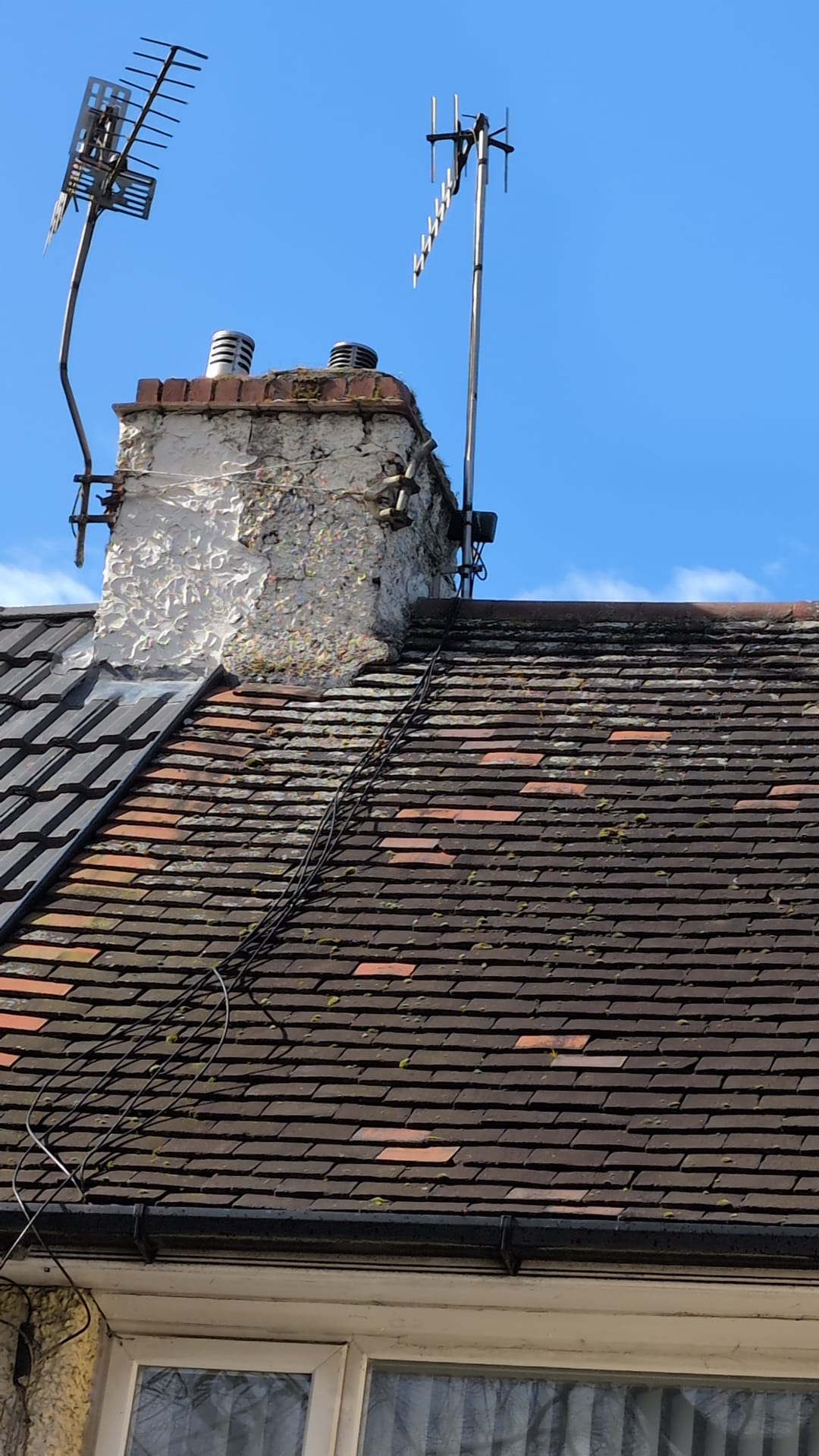
A slipped tile fixed in October is a small job; left through winter it becomes soaked timbers and stained ceilings. Deal with what you find before the weather turns.
Frequently Asked Questions
Want your roof checked before winter?
Beat the autumn rush and the first storms. We offer free, no-obligation roof assessments across Bristol - we'll check the tiles, flashings, gutters, chimney and loft, and sort any small jobs before the weather turns. Get it done while it's still dry.
Book a Free Assessment