A new roof is one of the biggest single things you'll ever spend on your house, and getting a straight answer on the cost can feel oddly difficult. Quotes come back thousands of pounds apart, half of them leave out the things that matter, and it's hard to know whether you're being looked after or taken for a ride. This guide lays out real 2026 prices for a roof replacement in Bristol - by material, by property type, and with an honest breakdown of what pushes the number up - so you can walk into any quote knowing roughly what you should be paying.
What You're Actually Paying For
Before the numbers, it helps to know what a full roof replacement involves, because "a new roof" is really a stack of separate jobs rolled into one. When we strip and re-cover a roof, the price covers:
- Scaffolding around the property for safe access - not optional on a full re-roof.
- Stripping the old covering - taking off the existing tiles or slates and getting the roof back to its timbers.
- Removing and disposing of the waste - a stripped roof produces a lot of it, and skip hire and tipping fees are a real cost.
- New battens and underlay - the timber battens the tiles fix to, and the breathable membrane beneath, are almost always renewed as part of the job.
- The new covering itself - the tiles or slates, which is where the material choice really moves the price.
- Ridge, verge and flashings - the ridge tiles, the edges, and the lead flashings around chimneys and junctions, often renewed at the same time.
- Labour - a skilled team for several days.
When you see two quotes far apart, it's usually because they don't all include the same items from that list. Keep it in mind as we go through the prices.
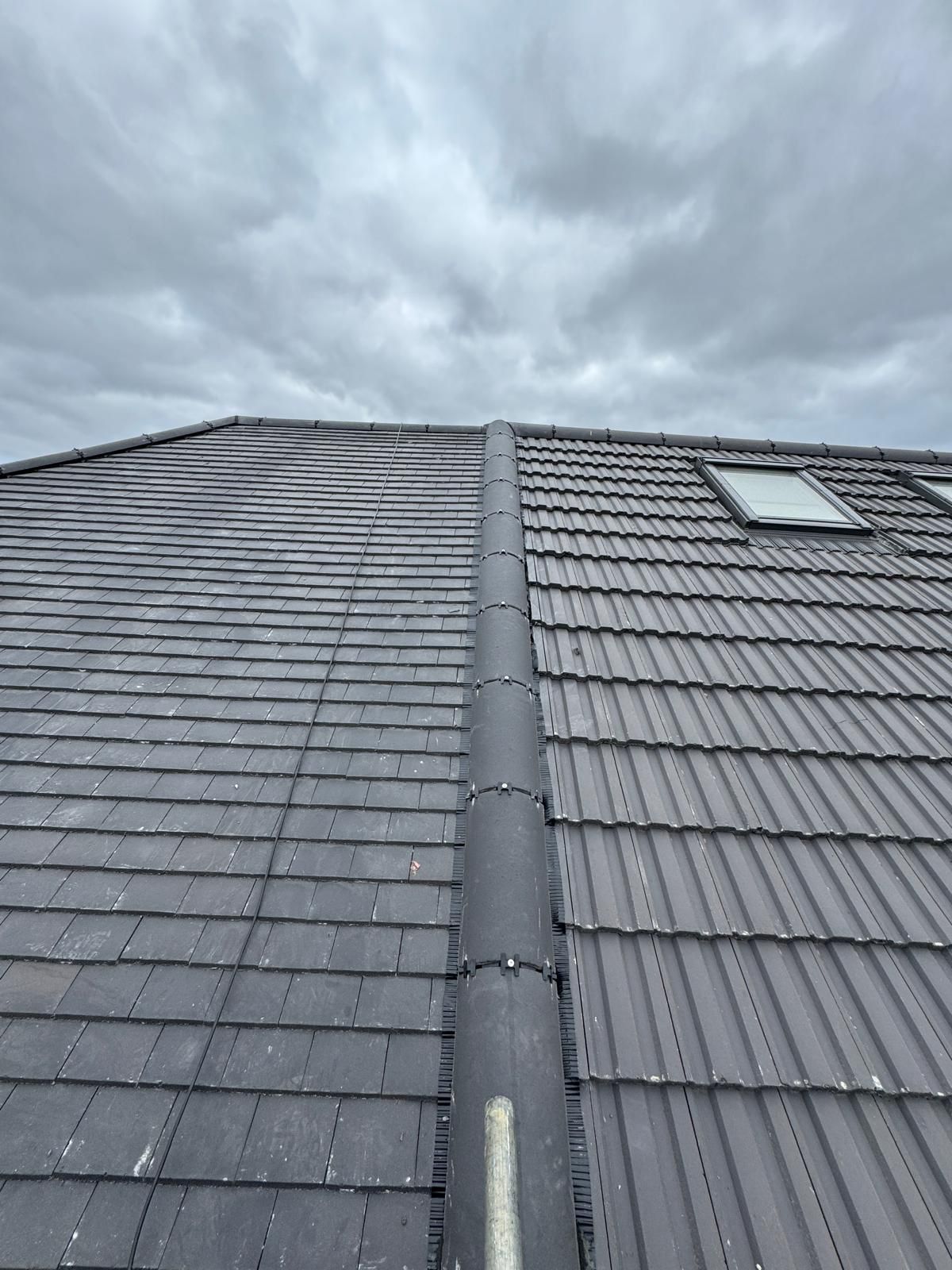
A "new roof" is really several jobs at once - scaffold, strip, dispose, new battens and felt, new covering, ridge and flashings. The quote should cover all of it.
2026 Price Guide by Material
The material is the single biggest factor in the price. Here are realistic 2026 figures for a full replacement on a typical three-bedroom semi-detached Bristol property, assuming the structure underneath is sound:
- Concrete tile: £5,000 - £7,500. The most affordable option and the standard covering on much of Bristol's postwar housing.
- Clay tile: £6,500 - £9,000. A step up in looks and longevity from concrete, common on both period and quality newer homes.
- Spanish slate: £6,500 - £10,000. A good-quality natural slate at a more accessible price than Welsh.
- Natural Welsh slate: £9,000 - £14,000+. The traditional, longest-lasting and most expensive option, and often the required choice on period and conservation-area properties.
- Synthetic composite slate: £5,500 - £8,500. A lighter, cheaper slate-look alternative with a shorter lifespan than the real thing.
If you're weighing up slate against tile specifically, our guide to slate vs tile roofing in Bristol compares them on cost, lifespan and looks in more detail.
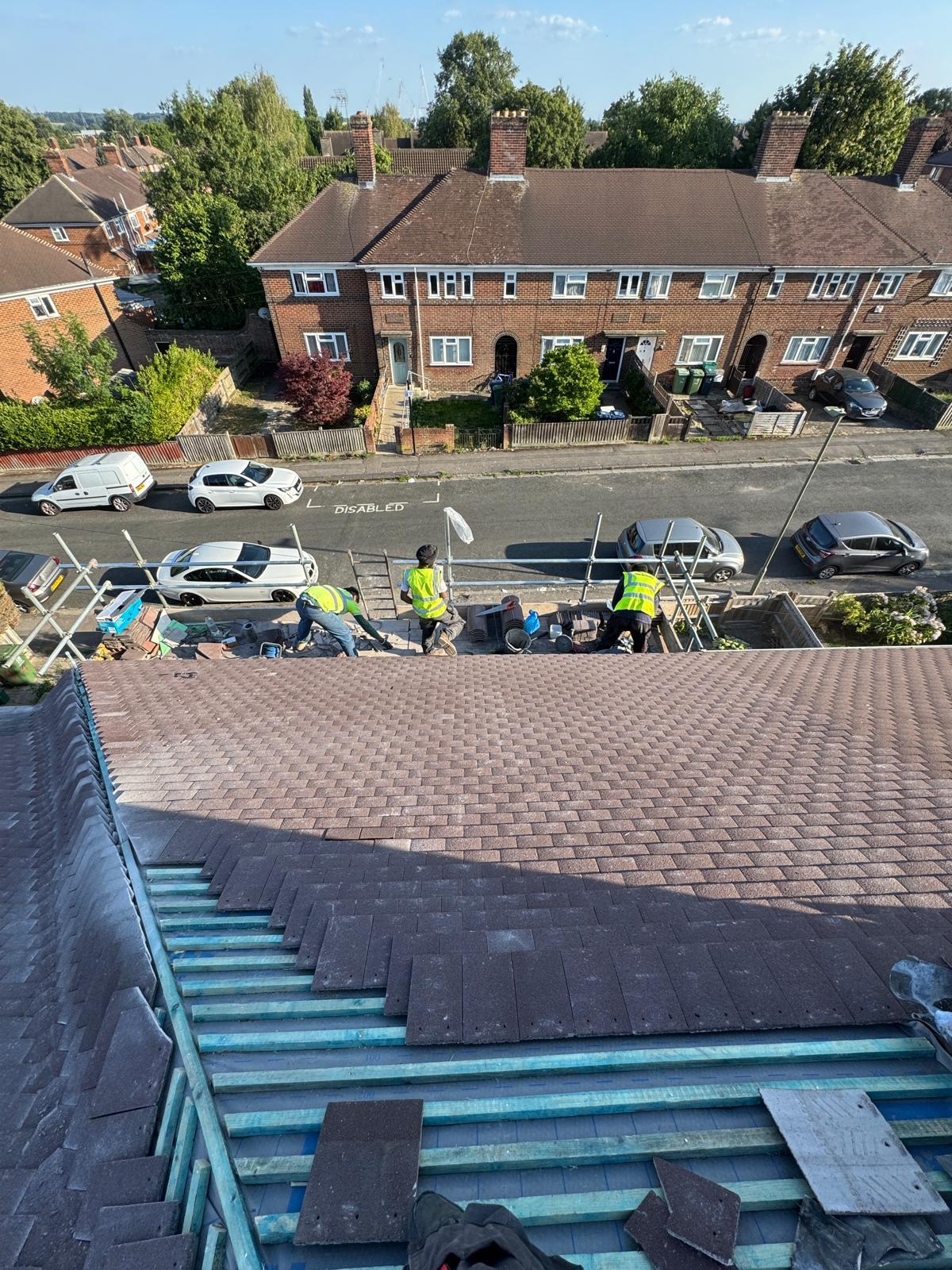
Material is the biggest cost lever - concrete tile at the affordable end, natural Welsh slate at the top, with clay and Spanish slate in between.
Price by Property Type
Beyond the material, the size and shape of the roof matter, and Bristol's housing varies a lot. As a rough guide for a mid-range tiled replacement:
- Terraced house: £4,000 - £7,000. Smaller roof area, though access can be trickier on a mid-terrace.
- Semi-detached: £5,000 - £9,000. The most common Bristol property and the benchmark for most guide prices.
- Detached house: £7,000 - £15,000+. Larger roof area, and often more complex shapes with more valleys and hips.
- Bungalow: £5,000 - £10,000. A large roof footprint relative to the floor area, but easier, lower access.
These overlap because a small detached and a large semi can cost much the same. The single biggest variable within any property type is complexity - a simple front-to-back pitched roof is far cheaper to cover than one broken up by dormers, valleys and multiple chimneys.
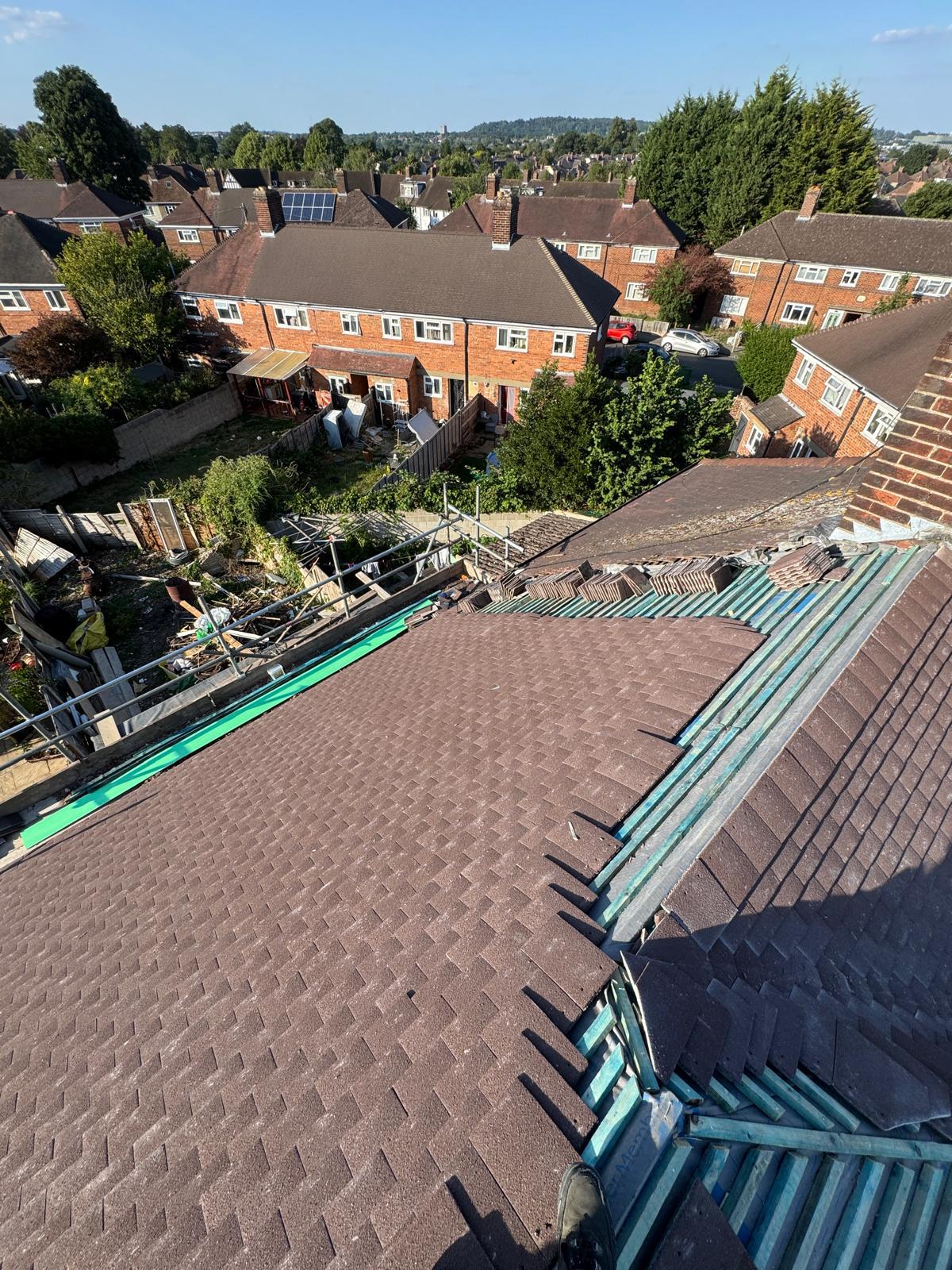
Roof size and complexity matter as much as material - a plain pitched roof is far cheaper to re-cover than one broken up by dormers, valleys and chimneys.
What Pushes the Cost Up
The guide prices assume a straightforward job on a sound structure. Several things can move you toward the top of the range, or beyond it, and a good roofer will flag them at the assessment rather than spring them on you halfway through.
- Structural timber repairs. If the rafters or battens are rotten - common on older Bristol roofs, especially where there's been long-term damp - they need replacing before the new covering goes on. In our experience this affects a meaningful share of older re-roofs.
- Chimney work. While the scaffold's up, it often makes sense to repoint or rebuild a tired stack at the same time. Sensible, but it adds to the total.
- Roof pitch and complexity. Steep roofs are slower and need more safety provision; lots of valleys, hips and dormers mean more labour and more lead detailing.
- Access. A mid-terrace with no side access, or a property on a slope, makes scaffolding and waste removal harder and dearer.
- Upgrades. Adding rooflights, improving ventilation, or fitting better insulation while the roof is open all add cost - though they're often worth doing while the access is there.
If you're not yet sure whether you even need a full replacement, our guide on whether you need a roof replacement in Bristol walks through the signs. And for smaller jobs, the 2026 roof repair cost guide covers repair pricing rather than full replacement.
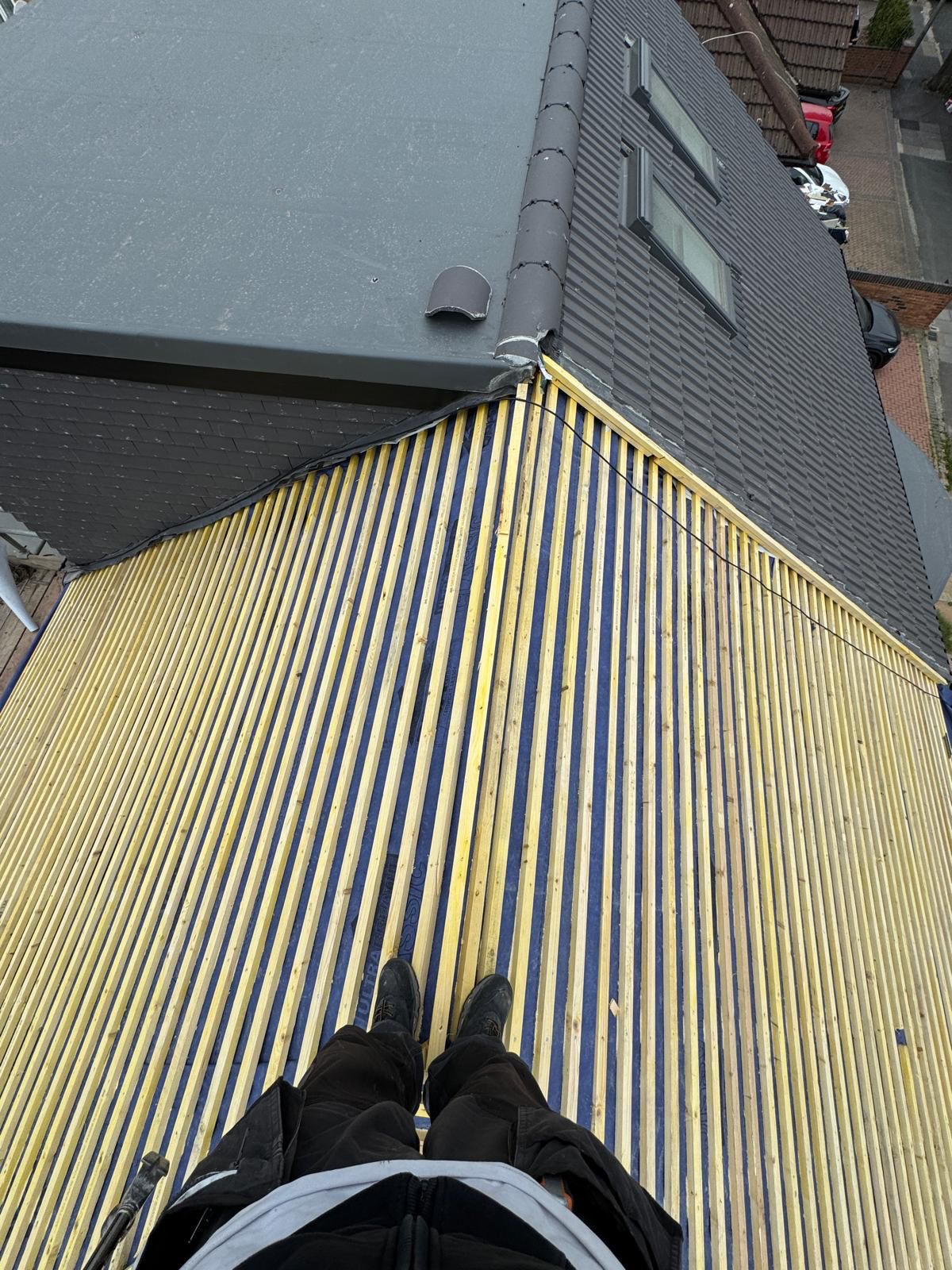
Rotten rafters or battens - common on older Bristol roofs - need replacing before the new covering goes on, and that's the most common thing to push a quote up.
Scaffolding, Waste and VAT: The Bits People Forget
Three line items trip people up when they compare quotes, because the cheaper quote has often quietly dropped them.
Scaffolding is required for a full re-roof and typically adds anywhere from a few hundred pounds on a small terrace to a couple of thousand on a larger or awkward property. If a quote doesn't mention it, ask - either it's hidden in the total or the roofer is planning to work off ladders, which they shouldn't be.
Waste removal is a genuine cost. Stripping a roof produces tonnes of old tiles, battens and felt, and skip hire plus tipping fees add up. It should be in the quote, not sprung on you at the end.
VAT is the one people most often forget. Domestic roofing is generally charged at the standard rate of VAT, so a £7,000 quote that turns out to be "plus VAT" is really over £8,000. Always check whether a price includes it, and compare quotes on the same basis. A price that looks unbeatable is sometimes just one that's quietly left the VAT off.
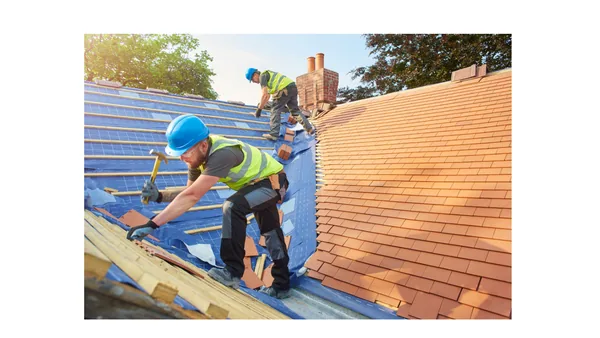
Scaffolding, waste disposal and VAT are the three line items a suspiciously cheap quote tends to leave out - always compare quotes on the same basis.
Is It Worth It? The Cost-Per-Year View
A five-figure sum is a lot to swallow in one go. So reframe it. A new roof isn't really a bill - it's decades of the house being kept dry, bought in one payment, and the fair way to judge the cost is per year of life.
A concrete or clay tile roof lasts 40 to 60 years. A natural slate roof lasts 75 years or more - often outliving the owner who paid for it. Take a £9,000 slate roof over 75 years and you're at £120 a year; a £6,000 tile roof over 50 years is the same £120 a year. Set against the cost of repeatedly repairing a roof that's past its best - call-out after call-out, plus the damage each failure does inside - a replacement usually works out cheaper over time as well as far less stressful.
There's also the value at sale. A sound, recently replaced roof is a reassuring line on a survey and removes a common sticking point in negotiations, while a tired roof is something buyers use to chip the price down. A new roof rarely pays for itself pound-for-pound at sale, but it removes a problem that can cost you more than the roof in a stalled or renegotiated deal.
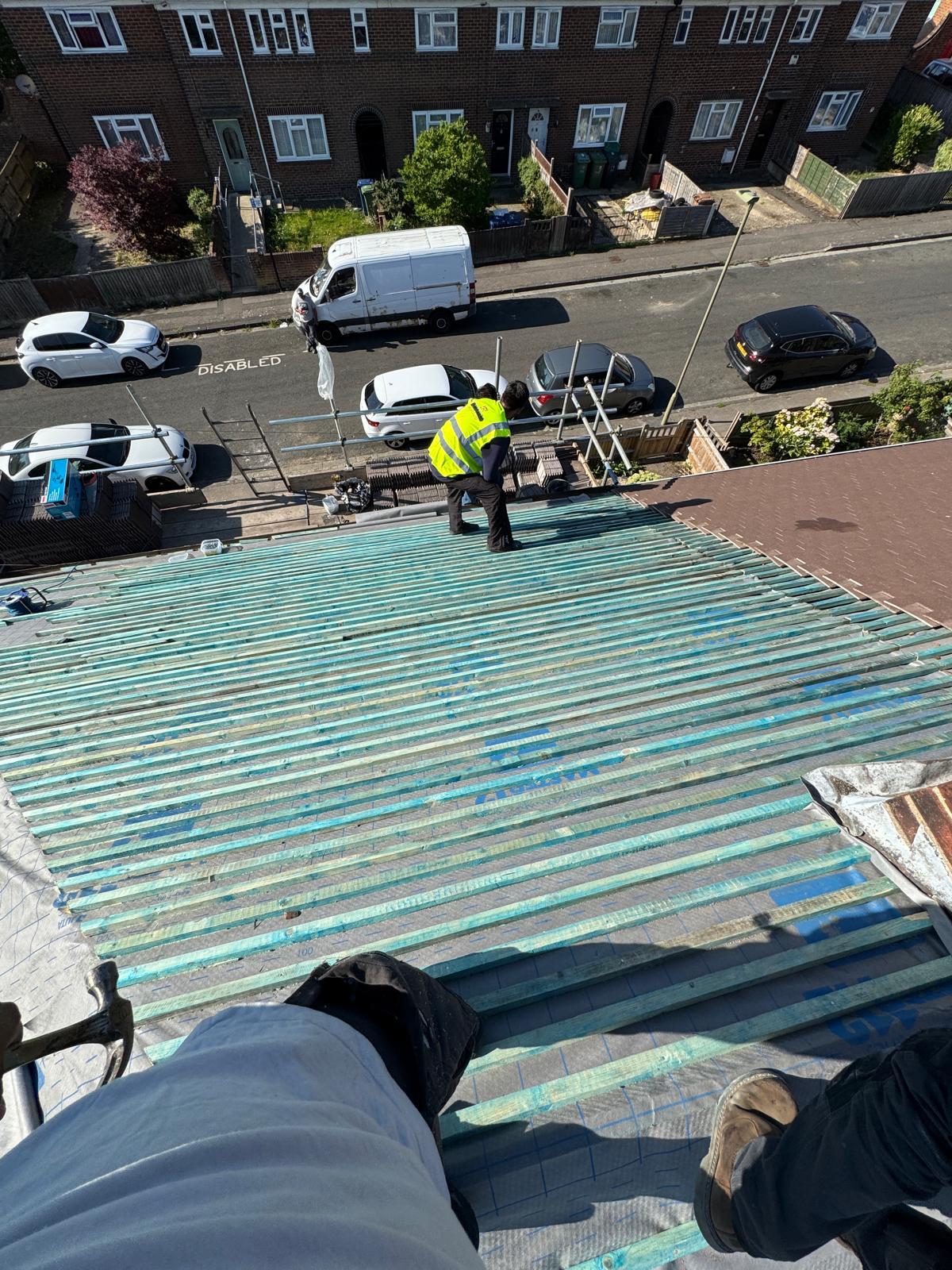
Judge the cost per year of life: a quality tile or slate roof spread over its 50 to 75-year lifespan is a modest annual figure - and cheaper than endless repairs.
How to Read an Honest Quote
The best protection against overpaying - or underpaying for a job that isn't done properly - is knowing what a good quote looks like. A proper written quote for a roof replacement in Bristol should spell out:
- The exact scope - strip, dispose, new battens and membrane, the specific covering, ridge and flashings.
- The material named clearly (which slate or tile, not just "slate").
- Scaffolding included and stated.
- Waste removal included.
- Whether the price includes VAT.
- What happens if structural timber repairs are needed once the roof is open.
- The guarantee on workmanship, and any manufacturer guarantee on materials.
Get two or three quotes and compare them line by line, not just on the bottom figure. If one is dramatically cheaper, find out what it's leaving out. When choosing a contractor, the National Federation of Roofing Contractors, the Federation of Master Builders and the TrustMark scheme all let you check they're properly vetted and insured. Our roof replacement service gives clear, itemised quotes with no vague estimates.
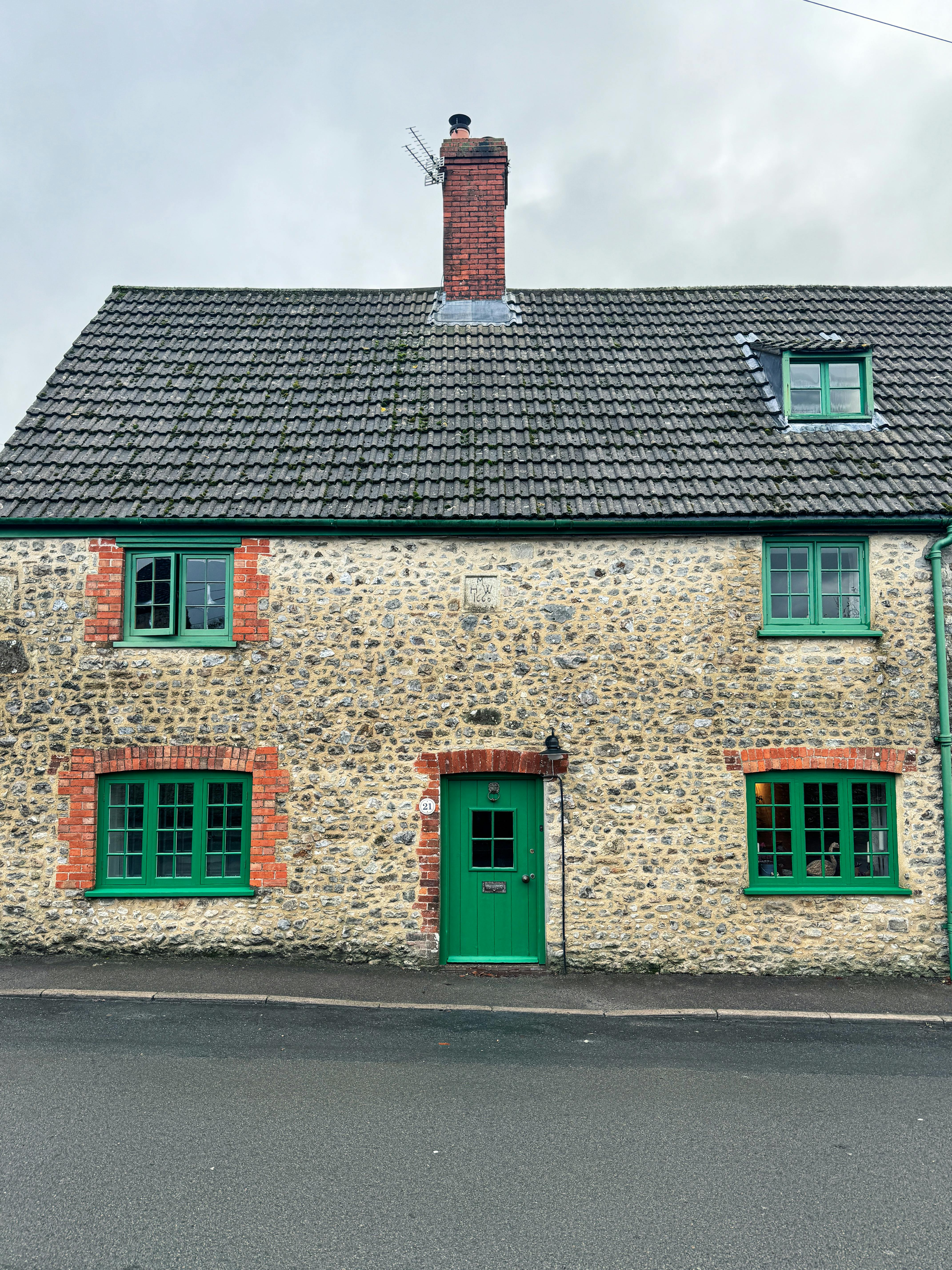
A proper quote names the material, includes scaffold, waste and VAT, and says what happens if timber repairs are needed - compare quotes line by line, not just on the total.
Frequently Asked Questions
Want a clear price for your roof?
We give itemised, no-obligation quotes across Bristol - material, scaffold, waste, VAT, the lot, spelled out so you can see exactly what you're paying for. Book a free assessment and we'll tell you honestly what your roof needs and what it should cost.
Book a Free Assessment