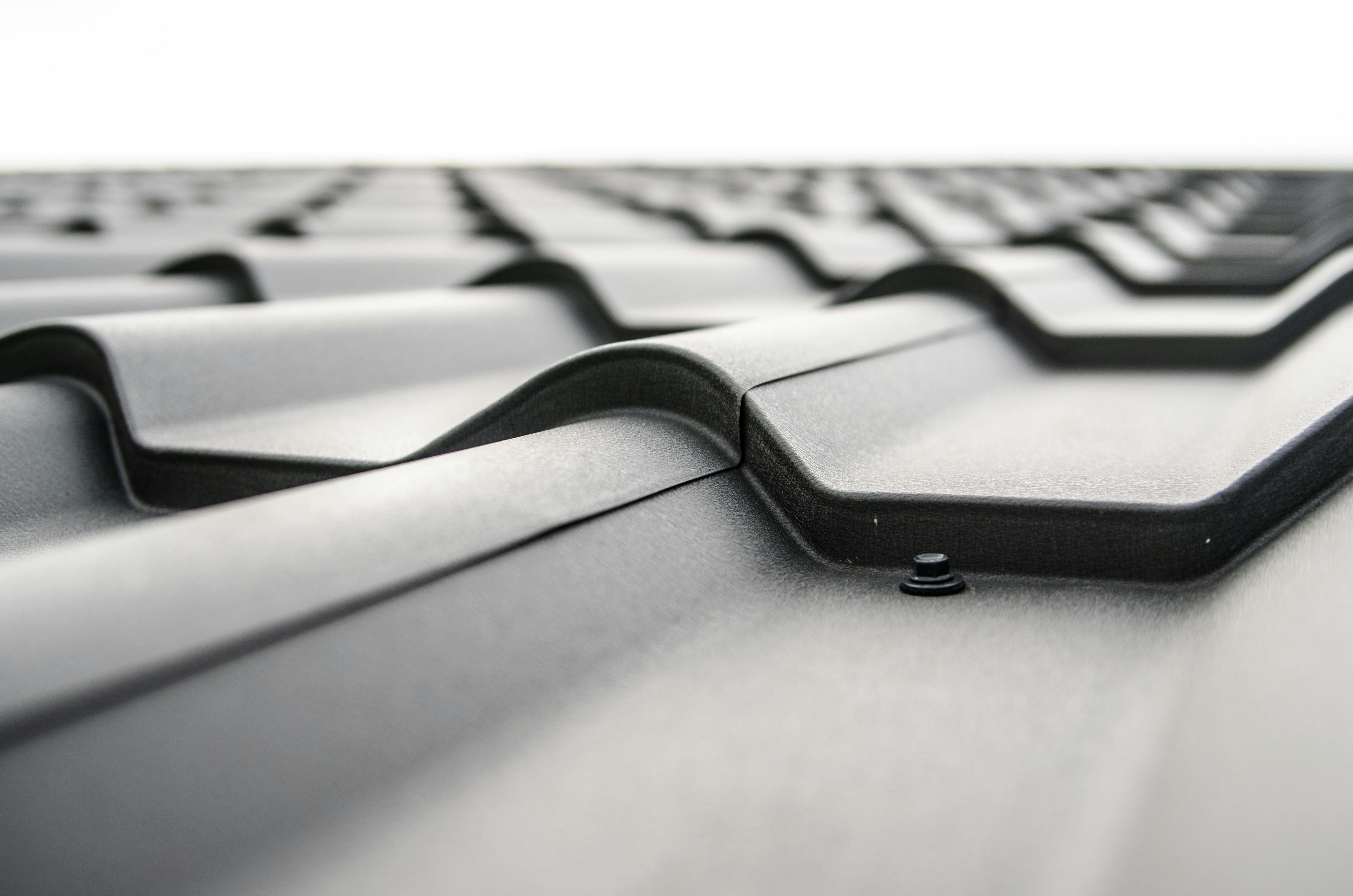
Solar panels are everywhere in Bristol now, and for good reason - energy prices, a genuinely greener city, and a payback that finally stacks up. But there's a side of the decision the solar companies rarely lead with, and it's the one that matters most to us: the roof underneath. Panels are only as good as what they're bolted to, and getting the order of events wrong is one of the most expensive mistakes a homeowner can make. This isn't an anti-solar piece - it's the roofer's honest view on how to get panels fitted without landing yourself with a bill you didn't see coming.
Check the Roof Before the Panels Go On
If you take one thing from this whole article, make it this. Before you sign anything with a solar company, get the condition of your roof assessed. Solar panels and a tired roof are a bad marriage, and it's you who pays for the divorce.
Solar panels are designed to last around 25 years. That means they need to sit on a roof with at least that much life left in it. If your roof is old, worn, or a few years from needing replacement, and you fit panels anyway, here's what happens: when the roof needs doing, the panels have to come off first and go back on afterwards. That removal and refitting typically costs anywhere from a few hundred to well over a thousand pounds, on top of the re-roof itself - money you'd never have spent if you'd done the roof first.
So the sensible order is: sort the roof, then fit the panels. If your roof is sound with decades left, great, crack on. If it's tired, do the roof work first and put the panels onto a fresh roof they can happily sit on for their whole life. Our guides on whether you need a roof replacement in Bristol and the value of a proper roof check both come at this from the same angle: know the roof's condition before you spend big on top of it.
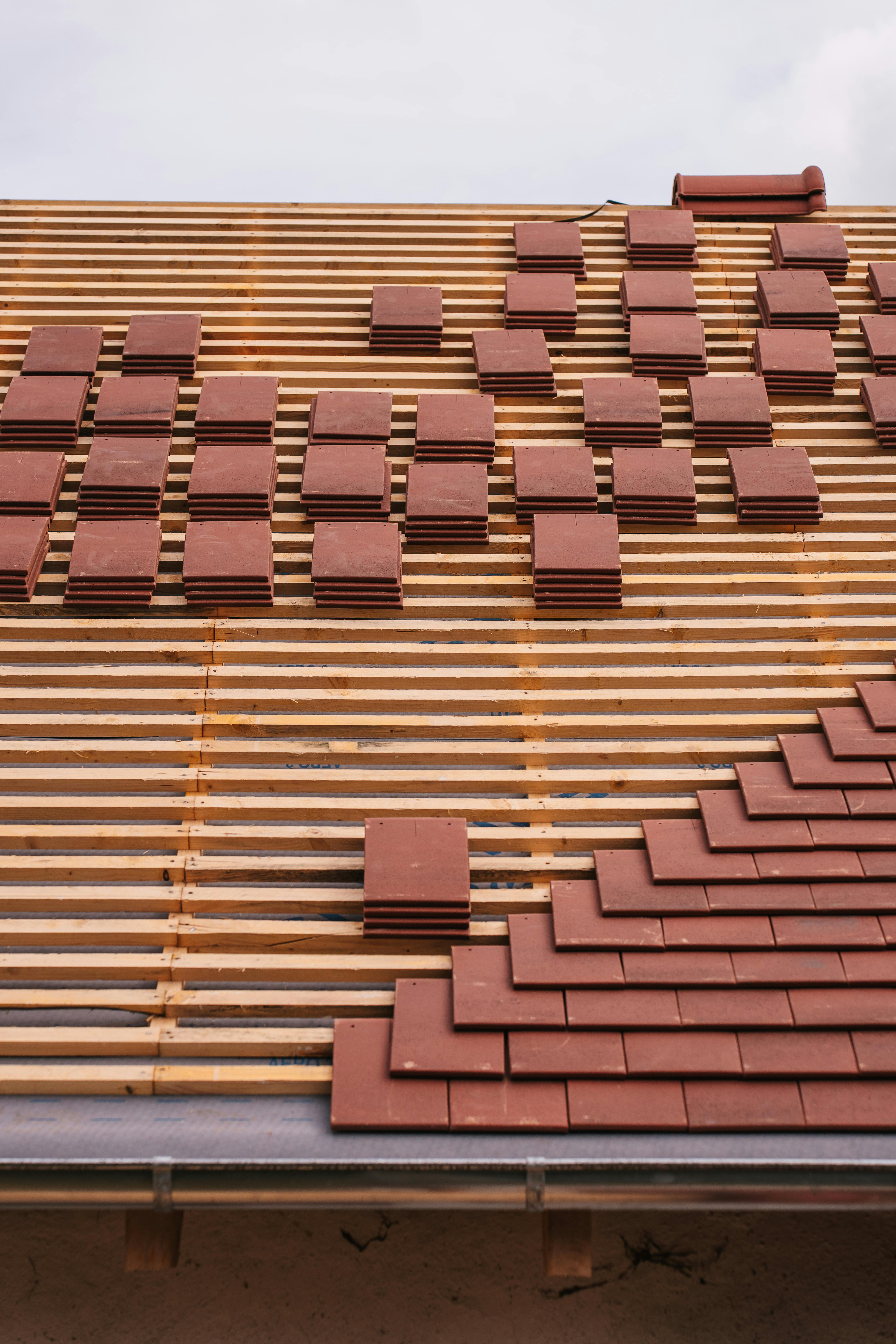
Panels last around 25 years, so they need a roof with that much life left - fitting them on a tired roof means paying to remove and refit them when the roof needs doing.
Is Your Bristol Roof Suitable?
Not every roof is equally suited to solar, and it's worth understanding what makes a good one before you get quotes. The main factors:
- Orientation and pitch. A south-facing roof is ideal, but east and west-facing slopes still work well. A roof pitch of roughly 30 to 40 degrees is close to optimal, which suits most Bristol houses.
- Shading. Bristol's leafy suburbs are lovely, but a roof shaded by mature trees or a taller neighbouring building loses a lot of output. This matters more than people expect.
- Condition. Covered above, but it bears repeating - the roof needs to be sound.
- The roof covering. Standard concrete and clay tiles are straightforward to fit panels to. Natural slate - common on Bristol's Victorian roofs - can be more awkward and needs a roofer who knows how to work with it, because slate is brittle and cracks if handled roughly.
Bristol's mix of modern estates and older period property means suitability varies street to street. A modern semi with a plain south-facing tiled roof is ideal; a Victorian terrace with a north-facing slate front slope in a conservation area is a very different proposition.
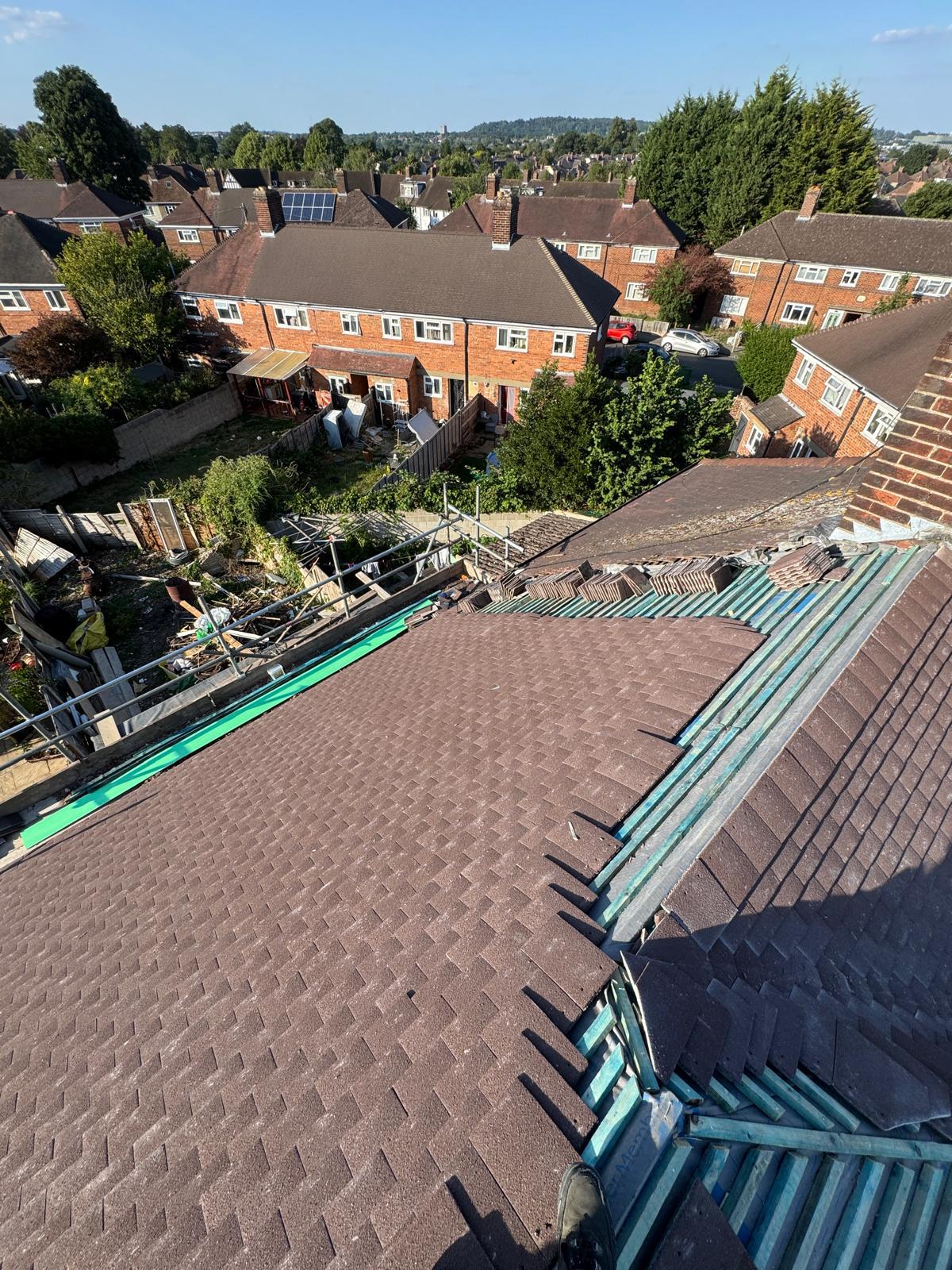
Orientation, pitch, shading and the roof covering all matter - a plain south-facing tiled roof is ideal, while brittle Victorian slate needs a roofer who knows how to work with it.
Can Your Roof Take the Weight?
This one gets overlooked, and it really shouldn't. A domestic solar array adds a real load to the roof, spread across the slope, and the structure underneath - the rafters and their supports - has to carry it safely.
On a modern house with timbers designed to current standards, this is rarely a problem. On some of Bristol's older properties it's worth checking properly. Victorian and Edwardian roofs were built with the materials and assumptions of their day, and where timbers are aged, undersized for a modern load, or already weakened by rot or woodworm, adding a solar array without checking is asking for trouble. A structural assessment before installation confirms the roof can take it, and flags any strengthening needed.
A reputable solar installer will assess this as part of their survey. If they don't mention it, or wave it away, that's a flag. Where there's any doubt about older timbers, a roofer can inspect the structure and advise - it's the kind of thing we look at as part of a roof assessment anyway.
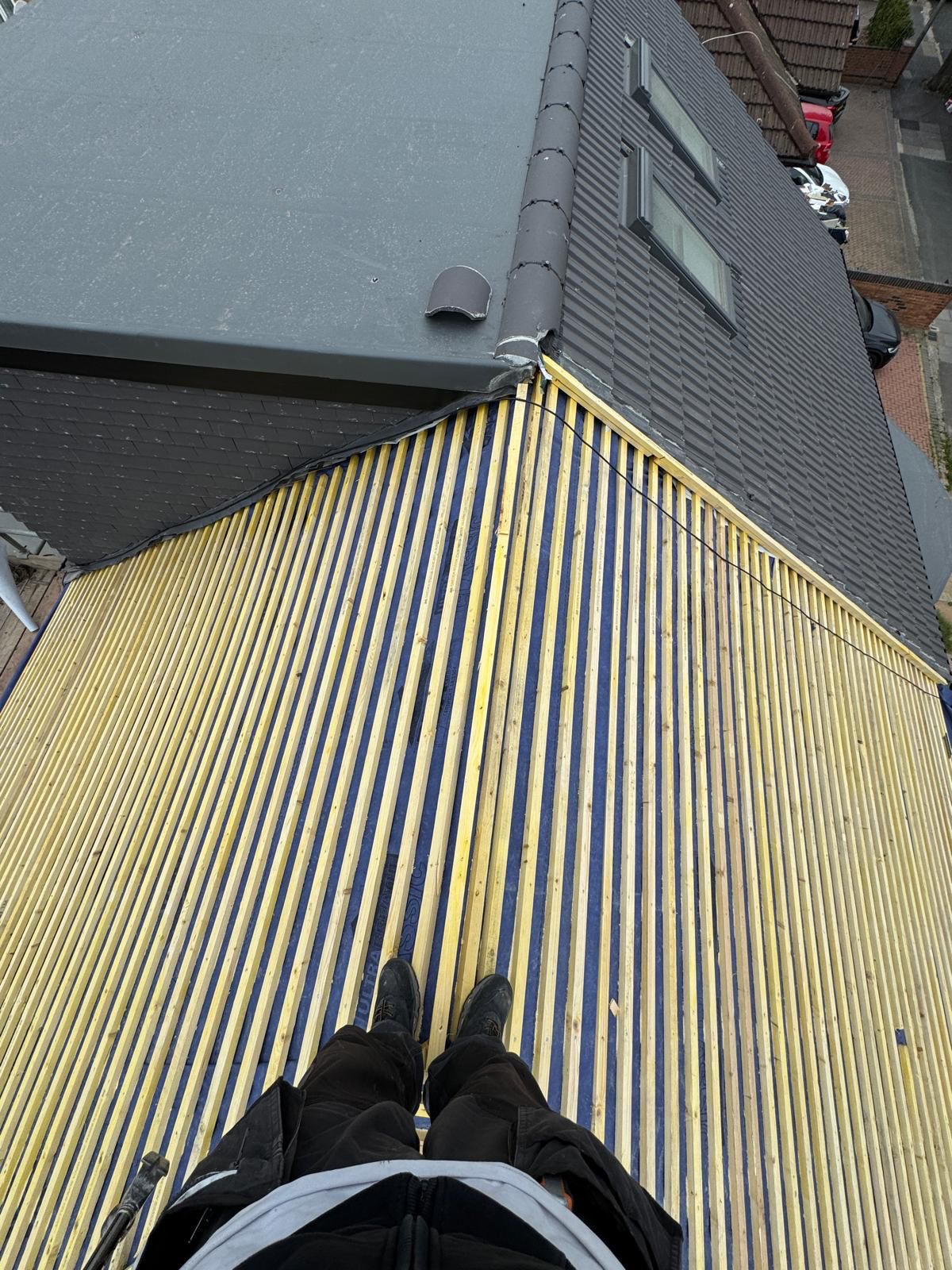
A solar array adds real load to the roof - on Bristol's older properties with aged or weakened timbers, the structure should be checked before panels go on.
How Panels Are Fixed (and Where Leaks Come From)
Understanding how panels attach to a roof explains where the risk lies. Panels sit on rails, and those rails are held by roof hooks - metal brackets that reach under the tiles or slates and bolt down onto the rafters. So fitting solar means lifting tiles, creating fixing points into the roof structure, and running cables from the panels down into the house.
Every one of those is a potential leak point if it's not done properly. The tiles lifted to fit the hooks have to be replaced or cut around neatly, not left cracked or gaping. The hooks themselves need to be positioned and sealed so water can't track in. And the cables usually pass through the roof at some point, which has to be flashed and sealed like any other roof penetration - the same care you'd give a lead flashing detail.
A good, roofing-aware solar installation leaves the roof as watertight as it was before. A rushed one leaves cracked tiles, unsealed penetrations and hooks that let water in - problems that often don't show up until months later as a damp patch on a bedroom ceiling. It's precisely because the fixing happens on and through the roof that the quality of the roofing side matters so much.
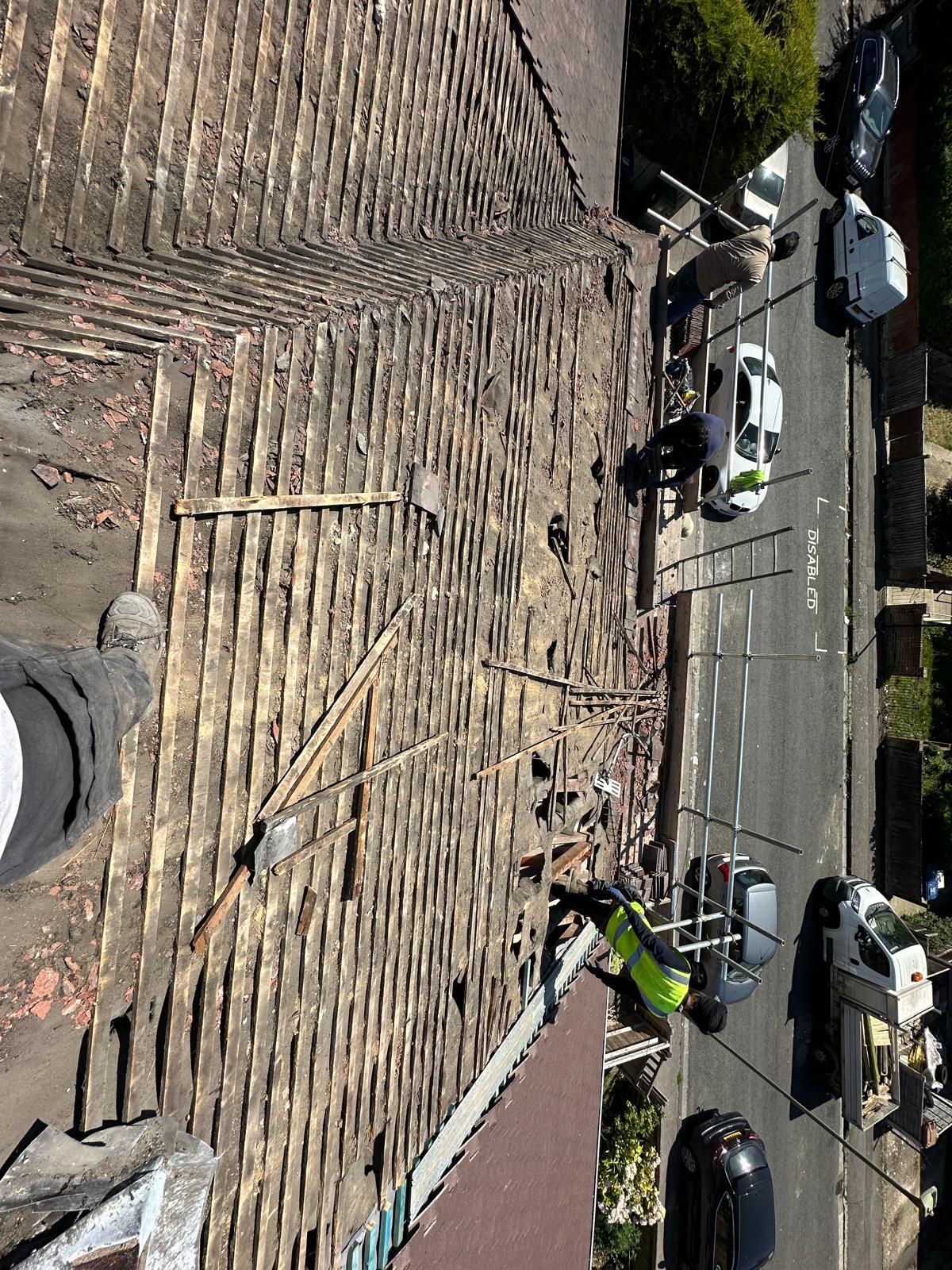
Panels are fixed with hooks that lift tiles and bolt to the rafters, with cables passing through the roof - every one a potential leak if it isn't sealed and flashed properly.
Who's Responsible If It Leaks?
Here's a practical wrinkle worth thinking about before you commit. When a solar installation causes a leak, sorting out who fixes it - and who pays - can get complicated, because two trades are involved: the solar company that fitted the panels and, potentially, the roofer.
A reputable, certified solar installer should stand behind their work and put right any leak their installation caused, so it's worth checking their guarantee and how they handle roof issues before you sign. The problems tend to arise with cheaper or fly-by-night installers who fit and disappear, leaving you to deal with a leak they won't come back for.
The cleaner approach, and the reason we keep coming back to it, is to get the roof right first and use a quality installer, so leaks don't happen in the first place. If you do end up with a leak around an existing array, our roof repair service can trace and fix the roofing side, though the panels may need lifting to get at it.
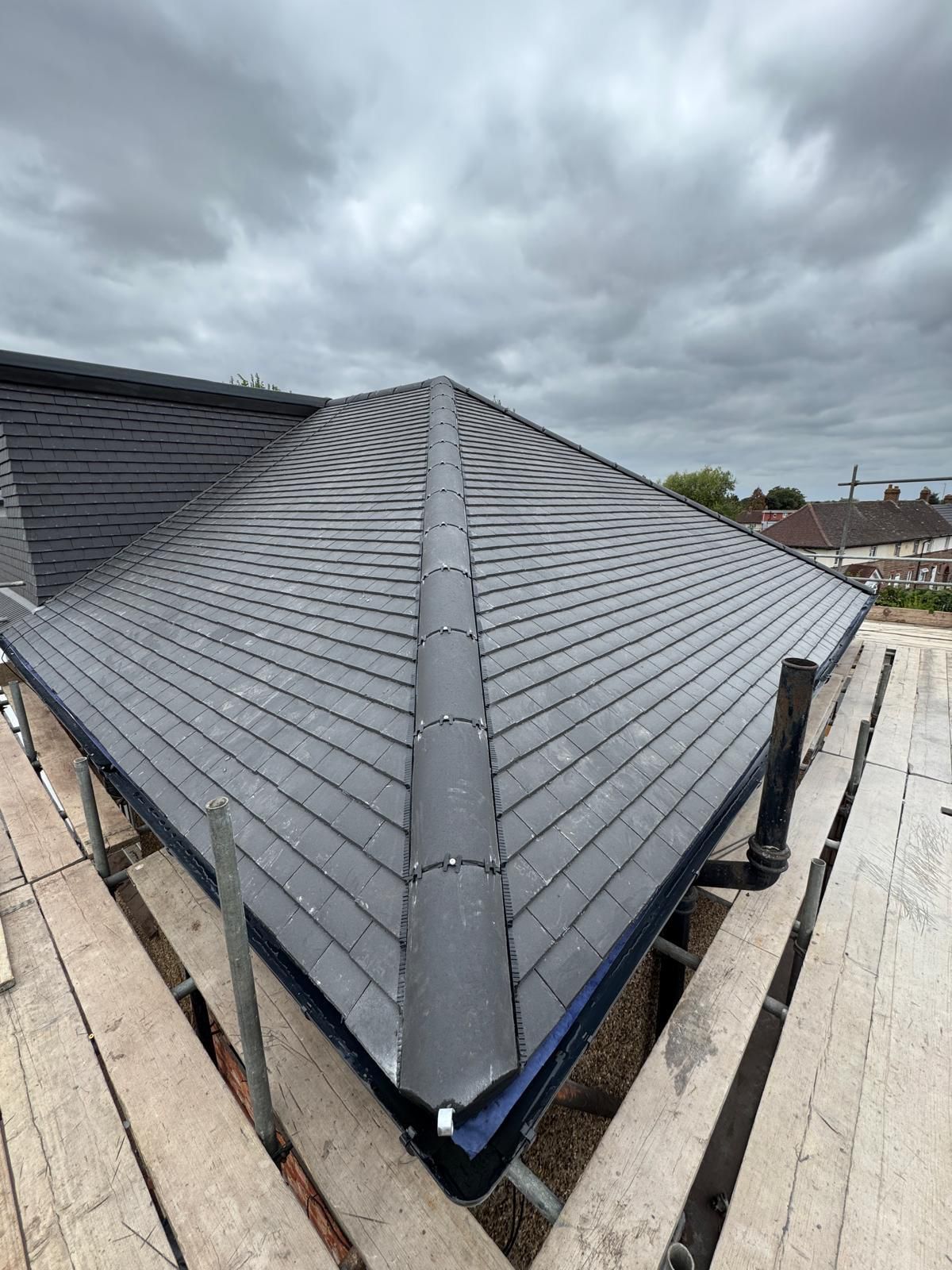
When a solar install causes a leak, responsibility can get tangled between installer and roofer - a certified installer standing behind their work is what you want to see.
Planning, Certification and Choosing Installers
A few practical points on the rules and how to choose well.
On planning: solar panels on a house roof are usually permitted development, so most Bristol homes won't need planning permission, provided the panels don't project far from the slope or sit above the ridge. The exception is listed buildings and conservation areas - and Bristol has a lot of them, across Clifton, Redland, Cotham, Montpelier and beyond - where panels on a road-facing slope may need consent. GOV.UK's planning guidance covers the general position; check your property's status before committing.
On installers: look for MCS certification. The Microgeneration Certification Scheme (MCS) is the recognised standard for solar installers, and using an MCS-certified installer is usually required to access grants and export tariffs, as well as being a mark of quality. Get more than one quote, ask specifically how they'll protect and seal the roof, and check their guarantee covers roof leaks caused by the installation. Whatever roofing work you need first, the TrustMark scheme lets you check a contractor is vetted.
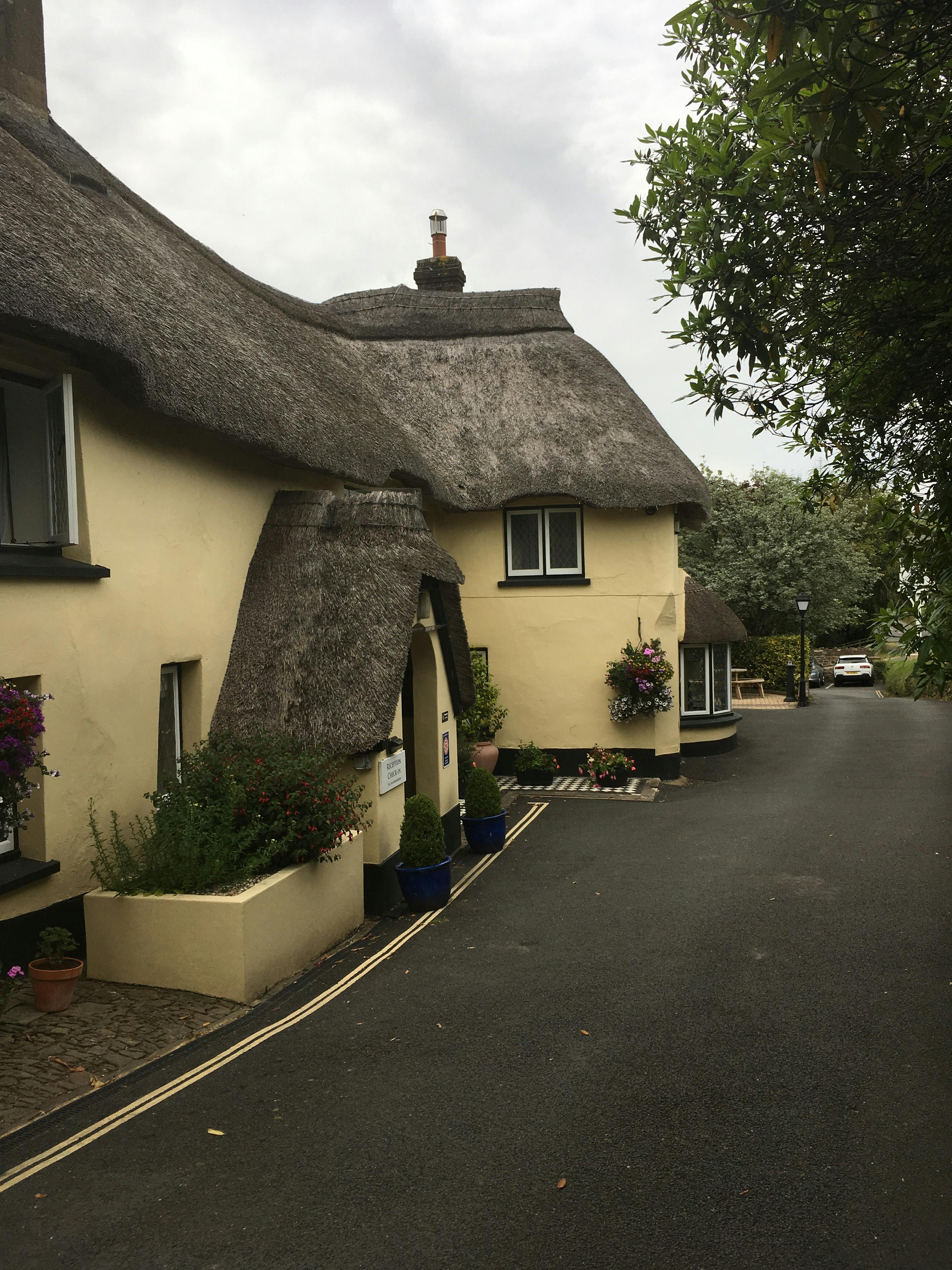
Most Bristol homes won't need planning for solar, but conservation areas can - and an MCS-certified installer whose guarantee covers roof leaks is what to look for.
Frequently Asked Questions
Thinking about solar? Check the roof first.
Before you commit to panels, get an honest read on whether your roof is up to carrying them for the next 25 years. We offer free, no-obligation roof assessments across Bristol - condition, structure and suitability - so you can go solar without an expensive surprise down the line.
Book a Free Assessment