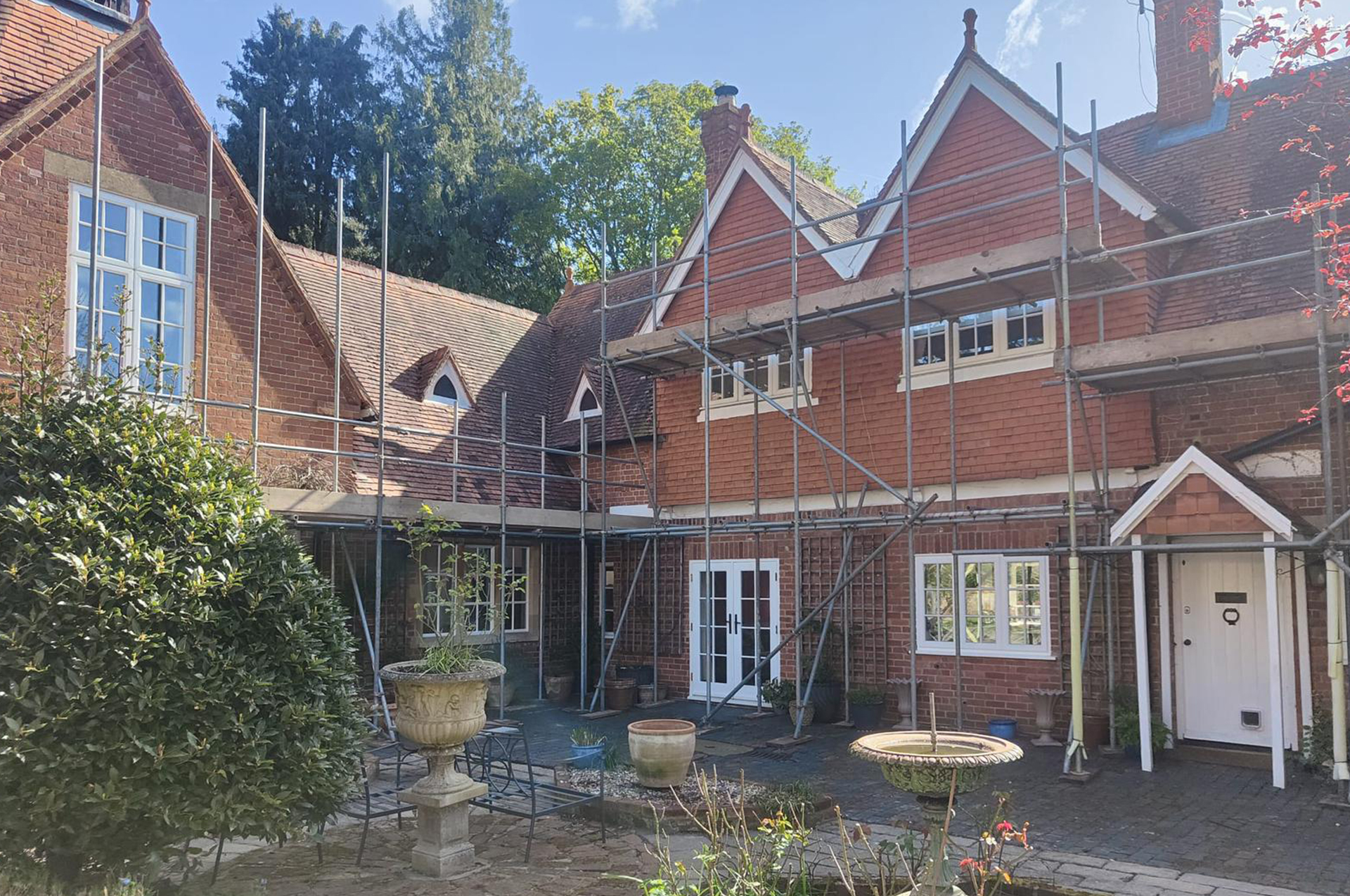
Every winter Bristol takes a battering, and every winter our phone rings the morning after with the same question: the storm's ripped slates off my roof, will my insurance pay for it? The honest answer is usually yes, but it depends far more on how you handle the claim than most people realise. Storms like Eunice in 2022, which brought a rare red warning to the South West and gusts near 80mph, and Darragh in late 2024 stripped roofs right across the city. Plenty of those homeowners got their repairs paid for. Plenty of others had claims cut down or refused - not because the damage wasn't real, but because they went about it the wrong way. This guide walks through how roof storm claims actually work in Bristol, and how to give yours the best chance.
The First Hour: What To Do Straight After the Storm
The moment you spot damage - slates in the garden, a wet patch spreading across a bedroom ceiling, daylight through the loft - the priority is stopping it getting worse, not making a perfect insurance case. Insurers actually expect you to take reasonable steps to limit further damage, and they can query a claim if you left a hole open to the rain for a week when you could have covered it.
So if it's safe, get water away from the inside of the house - buckets, move furniture, lift what you can off a soaked carpet. Do not climb onto a wet, damaged roof yourself. That's how a repairable problem turns into a hospital trip. A roofer can fit a temporary tarpaulin or cover to make it watertight until a proper repair and the claim are sorted. If you need that done fast, our emergency roof repairs in Bristol guide explains how temporary weatherproofing works and why it doesn't harm your claim.
Keep every receipt from these emergency measures. The cost of making the roof safe is usually claimable too, so it's worth logging.
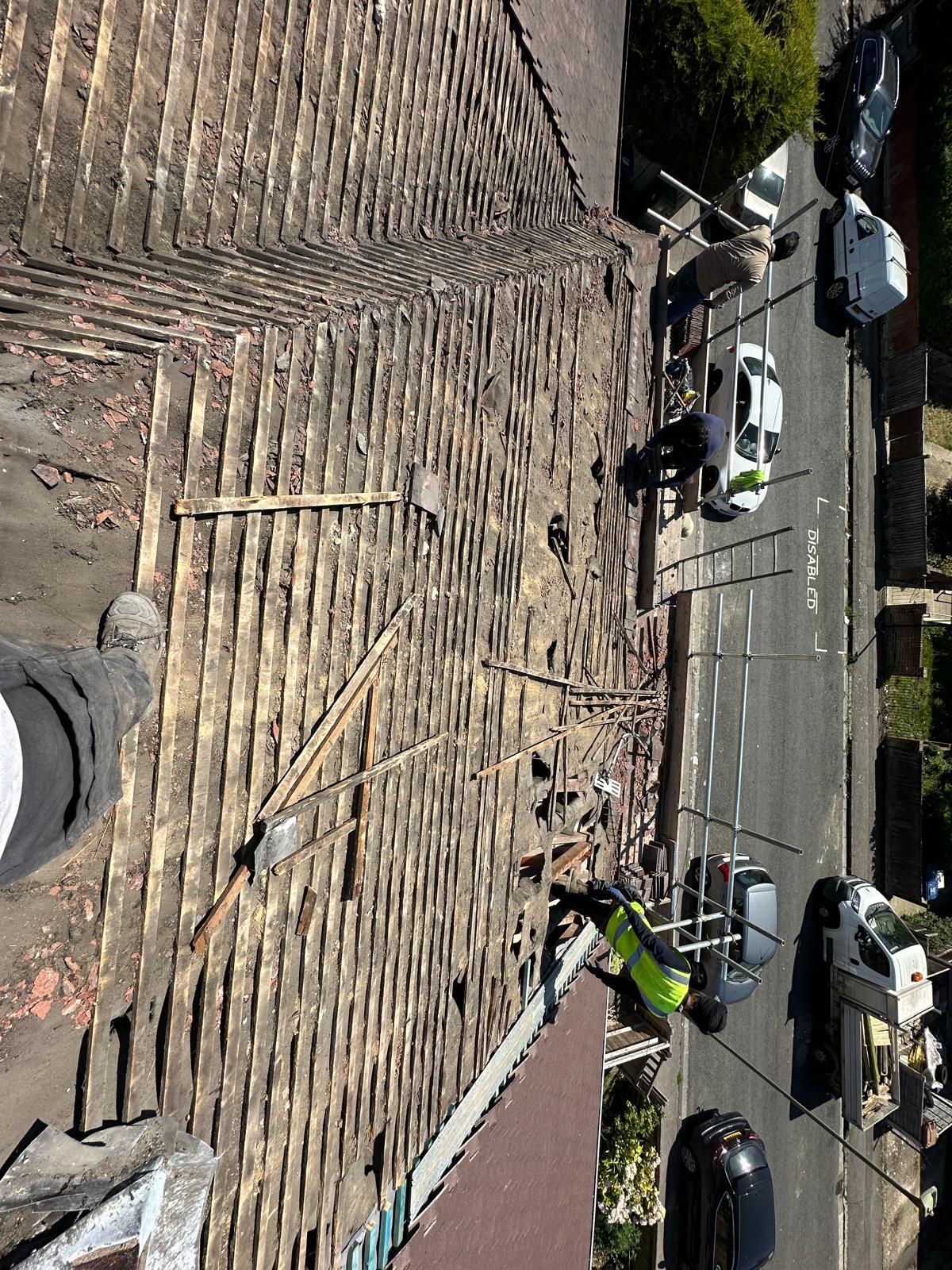
Missing slates and lifted flashing are the classic Bristol storm claim - the first job is making it watertight, not climbing up for a closer look.
Does Your Insurance Actually Cover It?
Nearly every buildings insurance policy in the UK covers storm damage as standard, so if you own the property, the odds are you're covered in principle. If you're a leaseholder in one of Bristol's converted Victorian houses or a purpose-built flat, the buildings cover is usually held by the freeholder or management company, so the claim goes through them - worth knowing before you assume you have no policy.
The important word is "storm". Insurers pay for damage that a storm caused. What they will not pay for is a roof that was already failing and would have let go in the next stiff breeze anyway. This is the single biggest sticking point in roof claims, and we come back to it further down, because it's where most of the rejected claims fall.
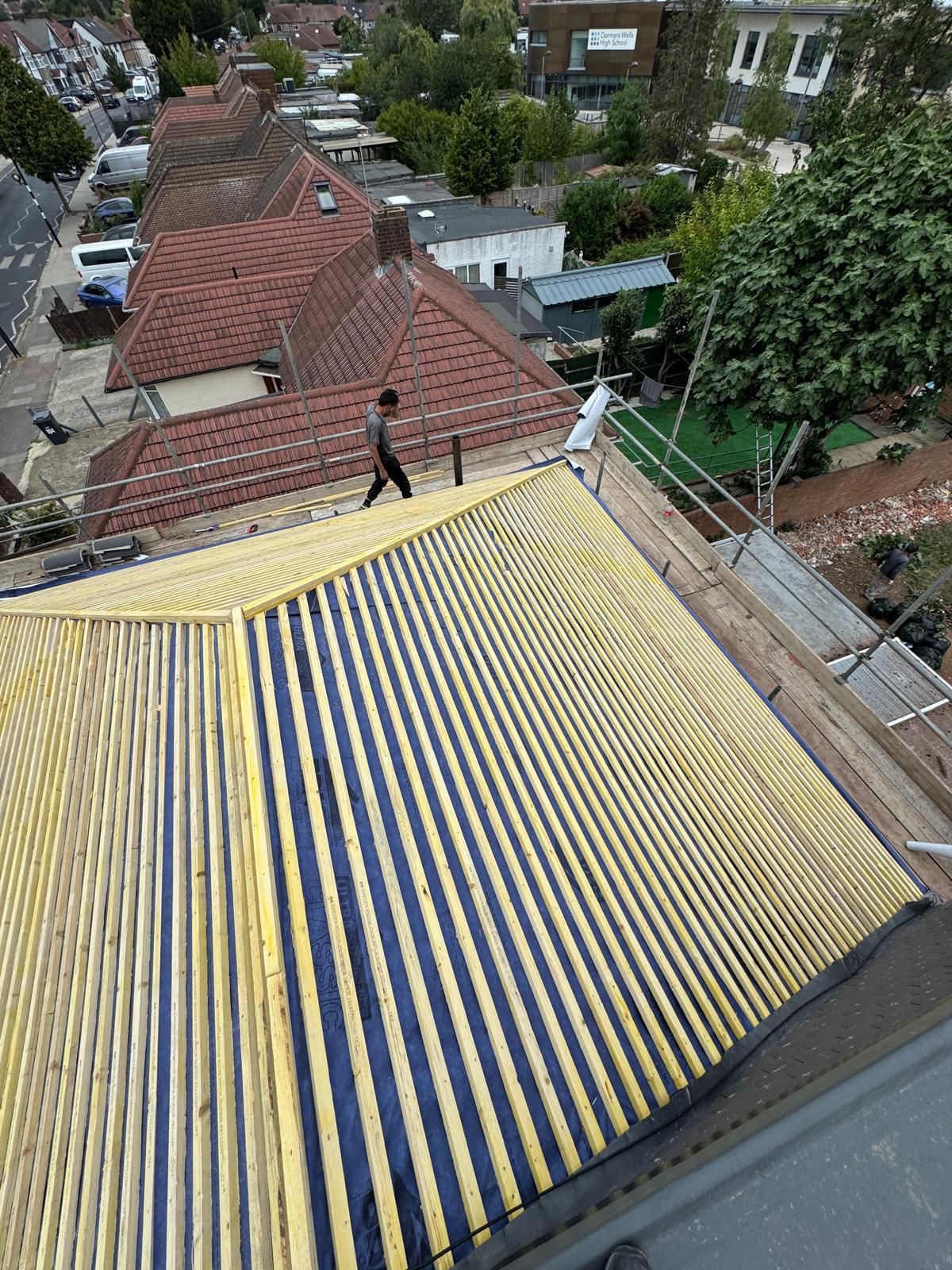
Buildings insurance covers storm damage as standard - but only the damage the storm caused, not a roof that was already at the end of its life.
What Counts As a "Storm" in Bristol
This trips people up more than anything. To an insurer, a storm is not just a windy day. Most define it as violent weather - commonly gusts of around 55mph or more, torrential rain, or significant snow. So the first question their claims team asks is whether the weather that day was genuinely severe.
Here's where Bristol's geography actually helps you. The city sits at the mouth of the Severn Estuary, and that funnel drives some of the strongest gusts in England up the Bristol Channel. When a named storm comes through - Eunice, Ciarán, Bert, Darragh - the Met Office records the gust speeds, and those records are exactly the evidence an insurer wants. Exposed spots like Dundry, Failand, the higher parts of Westbury-on-Trym and the ridges above the Avon Gorge get hit hardest, and a claim from those areas after a named storm is very well supported.
If your damage happened on an ordinary blustery day rather than during a recognised storm, be realistic - the insurer may argue the wind wasn't strong enough to damage a sound roof, and that a slate that came off in a 30mph breeze was already loose. Checking the recorded conditions for the exact date is one of the first things worth doing.
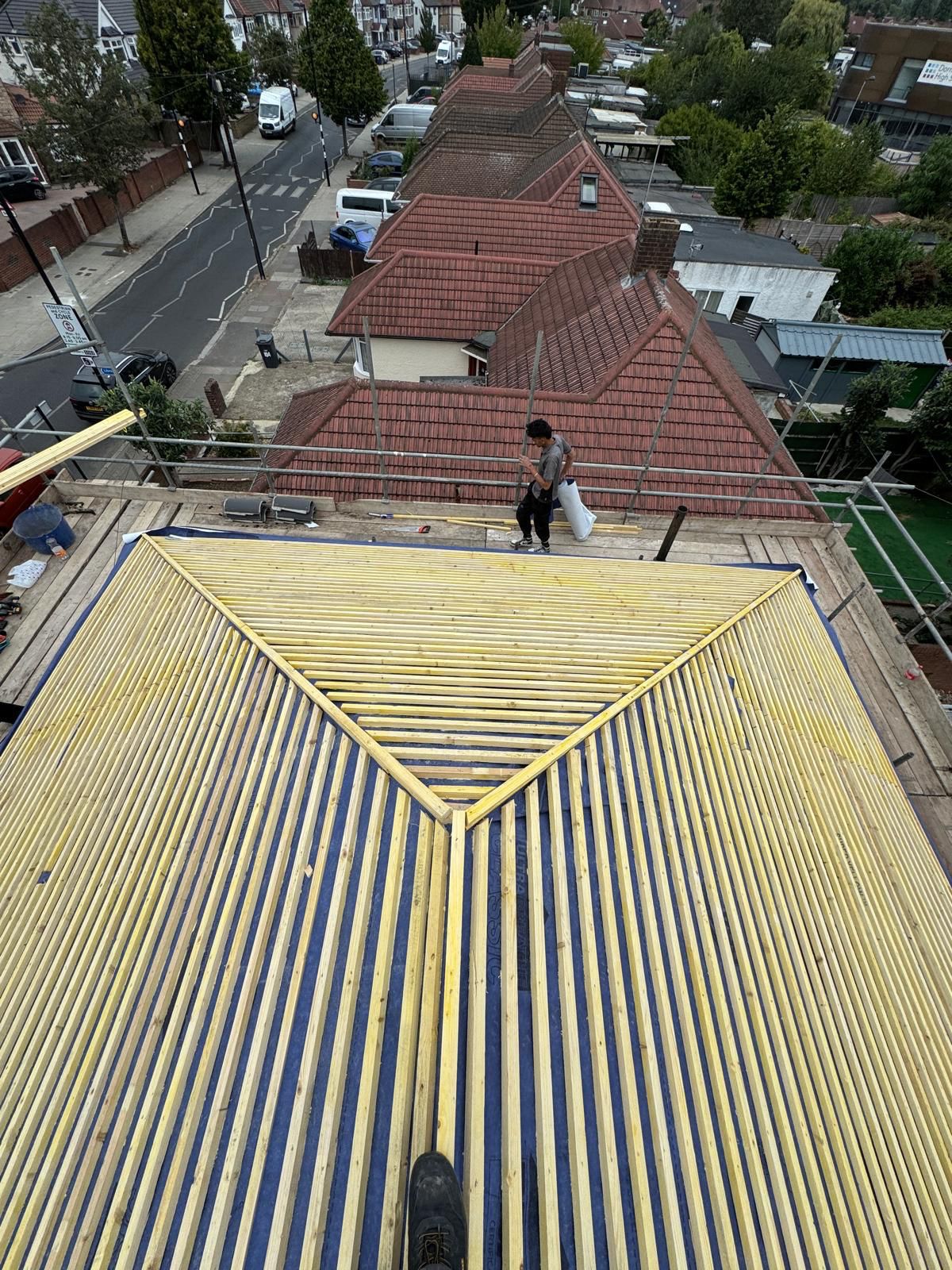
The Severn Estuary funnels severe gusts up the Bristol Channel, so named storms here easily clear the wind threshold insurers use to define a "storm".
Documenting the Damage Properly
A claim lives or dies on evidence. Before any permanent repair happens, get it all recorded. Photograph the damage from the ground with a zoom, from a window, from the loft if there's daylight coming through, and photograph the slates or debris that landed in the garden. Wide shots to show the property, close shots to show the detail. Date-stamped photos are ideal, and most phones do this automatically.
Then get a roofer up to survey it. A written report from a professional carries far more weight with an insurer than your own description, because it states plainly that the damage is consistent with storm conditions rather than age or neglect, and it details exactly what needs doing. This is the difference-maker. A surveyor can wave away "some slates came off", but it's much harder to argue with a roofer's report and photos showing fresh breaks, clean fixings, and displacement typical of high wind. Our post-storm roof inspection guide for Bristol covers what a thorough check should include.

A roofer's written report - stating the damage is storm-related, not wear and tear - is the strongest single piece of evidence a claim can have.
Making the Claim: How It Runs
Once the roof is safe and documented, contact your insurer, or the freeholder if it's a flat. Give them the date of the storm, describe the damage, and send your photos and the roofer's report. Ask them to confirm what your policy covers and what your excess is, because the excess - often somewhere between £100 and £350 on a buildings policy - comes off whatever they pay, and on a small repair it can eat most of the payout.
For anything sizeable, the insurer may send their own surveyor or a loss adjuster to inspect before they agree the money. That's normal, and it's another reason not to have the whole roof stripped and rebuilt before they've seen it. If your claim is complex or high-value, you're allowed to appoint your own independent surveyor to argue your corner, and for a big job that can be money well spent.
One thing worth knowing: making a legitimate storm claim shouldn't send your premium soaring the way people fear, though it will show on your record. Weigh a very small repair against your excess before claiming at all - sometimes it's simpler to just pay for a quick fix and keep the claim for something bigger.
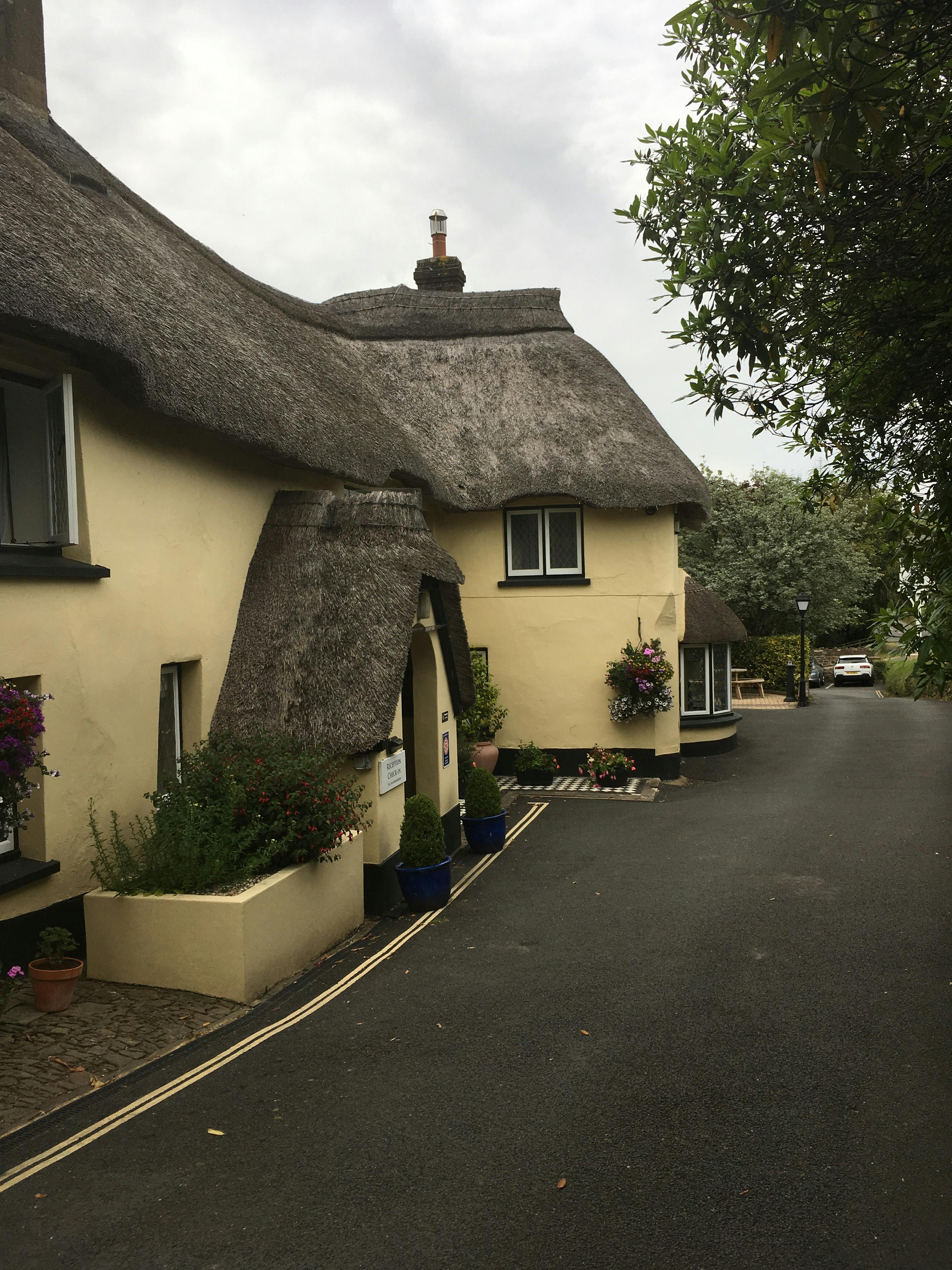
For larger claims the insurer usually inspects before paying - so keep the damage documented and hold off on the full permanent repair until it's assessed.
Why Claims Get Rejected - and How To Avoid It
If a storm claim gets knocked back, one phrase is behind it more often than any other: wear and tear. Two little words, and they cost people thousands. Insurance covers sudden, accidental damage. It does not cover a roof gradually wearing out, because that's considered maintenance, and maintenance is the homeowner's job. So a surveyor who decides your slates were already perished, your flashing was cracked, or the roof was simply past its natural life can decline the claim on the grounds that the storm merely exposed a problem that was already there.
This is why the state of your roof before the storm matters so much. A roof that's been kept in good order gives an insurer little room to argue. A neglected one hands them the argument on a plate. Keeping on top of small jobs - re-bedding ridge tiles, replacing the odd slipped slate, sorting tired flashing - isn't just good sense, it protects your ability to claim when something big does happen.
Claims also fail when there's no proof the weather was severe, or when the damage was cleared away before it could be assessed. If your insurer does reject a claim you believe is fair, you can escalate it to the Financial Ombudsman Service, which handles disputes between customers and insurers free of charge.
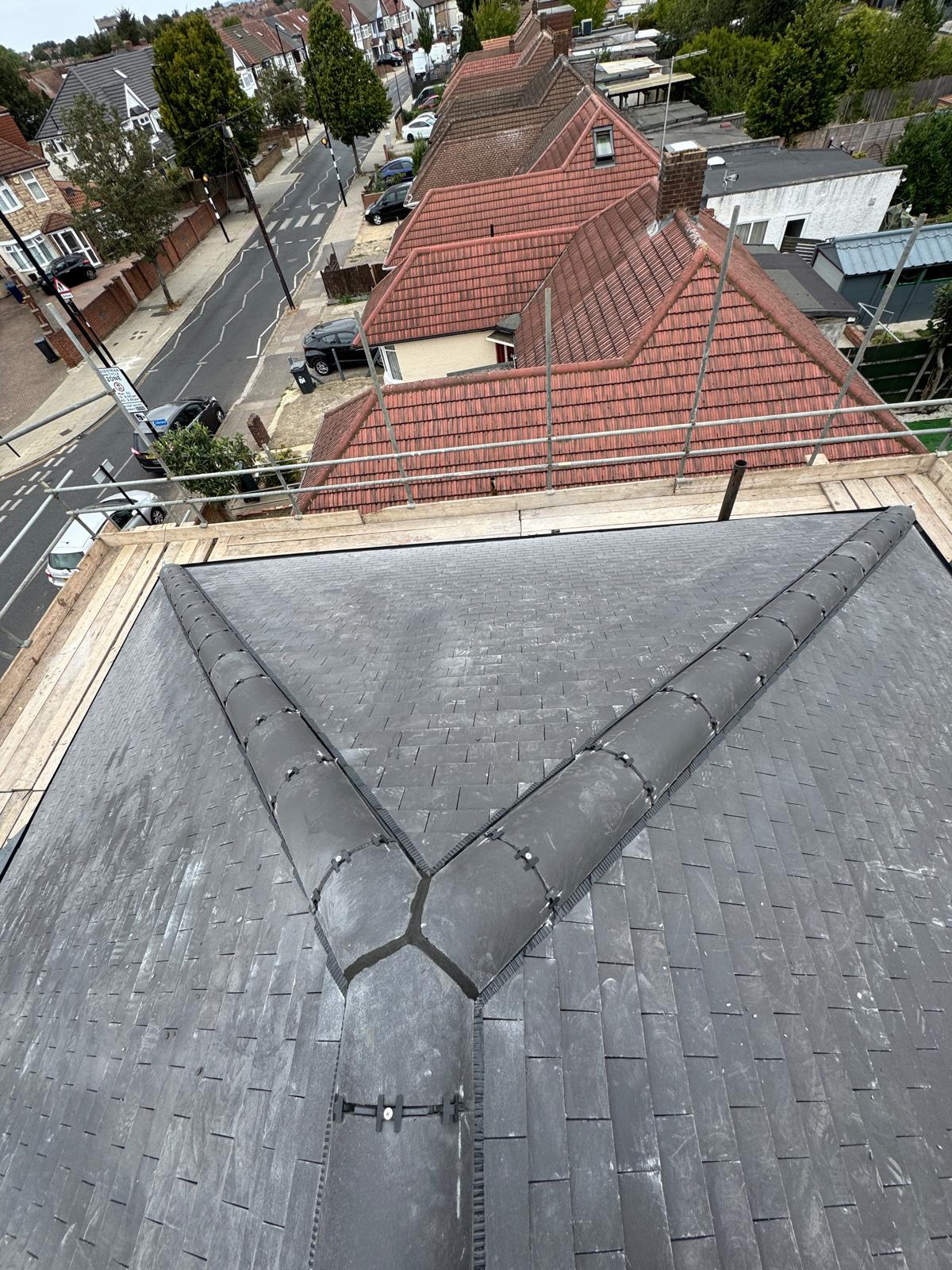
"Wear and tear" is the reason most claims are cut down - a well-maintained roof gives the insurer far less room to argue the storm only finished off old damage.
Choosing the Right Roofer for a Storm Claim
After a big storm, the dodgy operators come out in force - the knock-on-the-door crews who spot a stripped roof and offer to "sort it cash today". Some are fine. Plenty overcharge a stressed homeowner, do a patch job, and are long gone by the time it leaks again. A storm is exactly when it pays to use a roofer who'll survey properly, put the assessment in writing for your insurer, and stand behind the work.
Look for someone established and checkable. Trade bodies like the National Federation of Roofing Contractors vet their members, and it's worth also having a sense of your wider flood and weather exposure - you can check your address on the GOV.UK long-term flood risk service. A good roofer will happily deal with your insurer, provide the report and photos they need, and give you an honest read on whether the damage is genuinely storm-related or whether age played a part. Our roof repair service covers storm damage across Bristol, insurance work included.
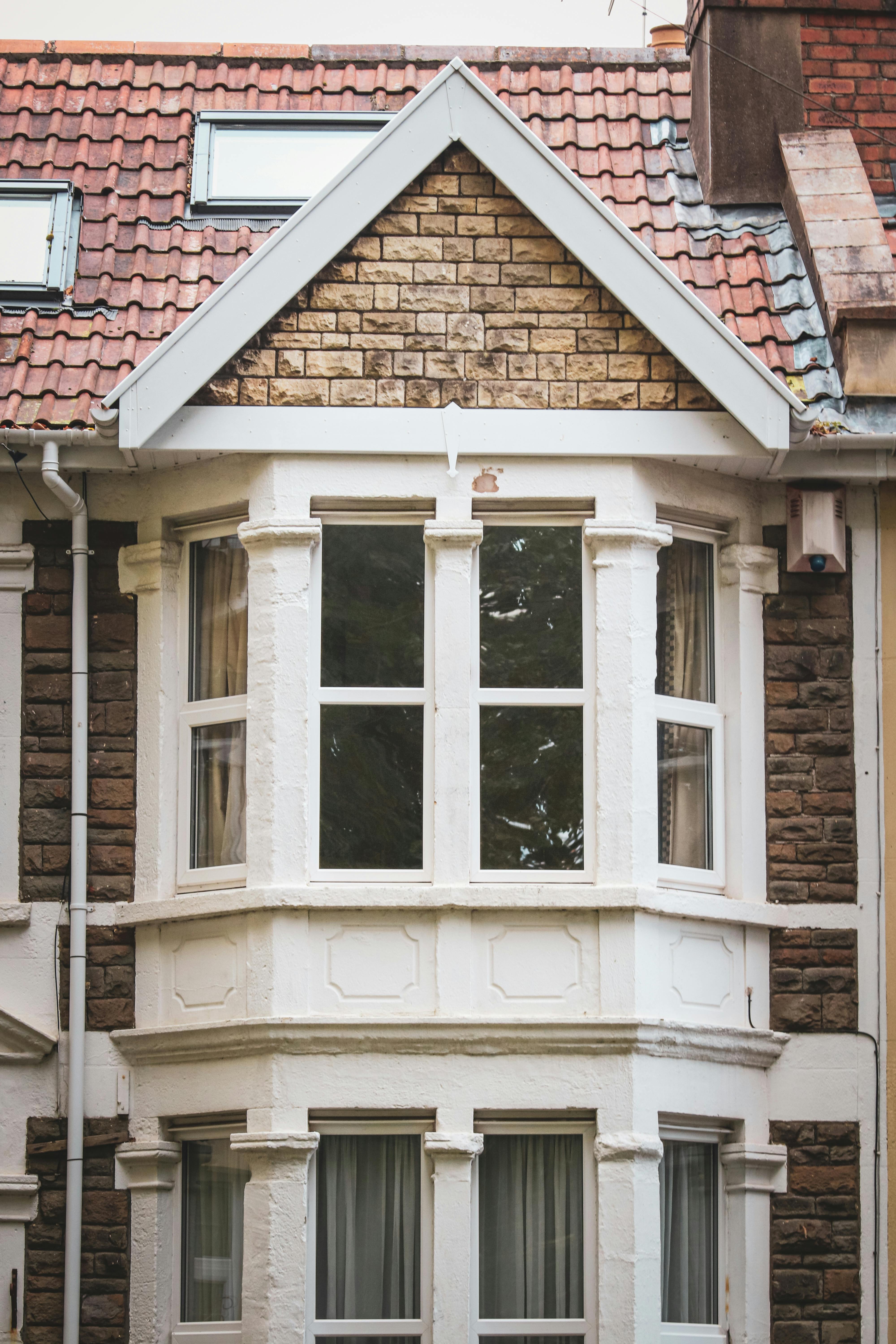
After a storm, use an established roofer who'll document the damage for your insurer and stand behind the repair - not a cash-today doorstep crew.
Frequently Asked Questions
Storm taken slates off your roof?
We handle storm damage across Bristol - fast temporary weatherproofing to stop the leak, a proper survey, and a written report for your insurer. Book a free, no-obligation assessment and we'll tell you honestly whether it's a storm claim and what the repair involves.
Book a Free Assessment