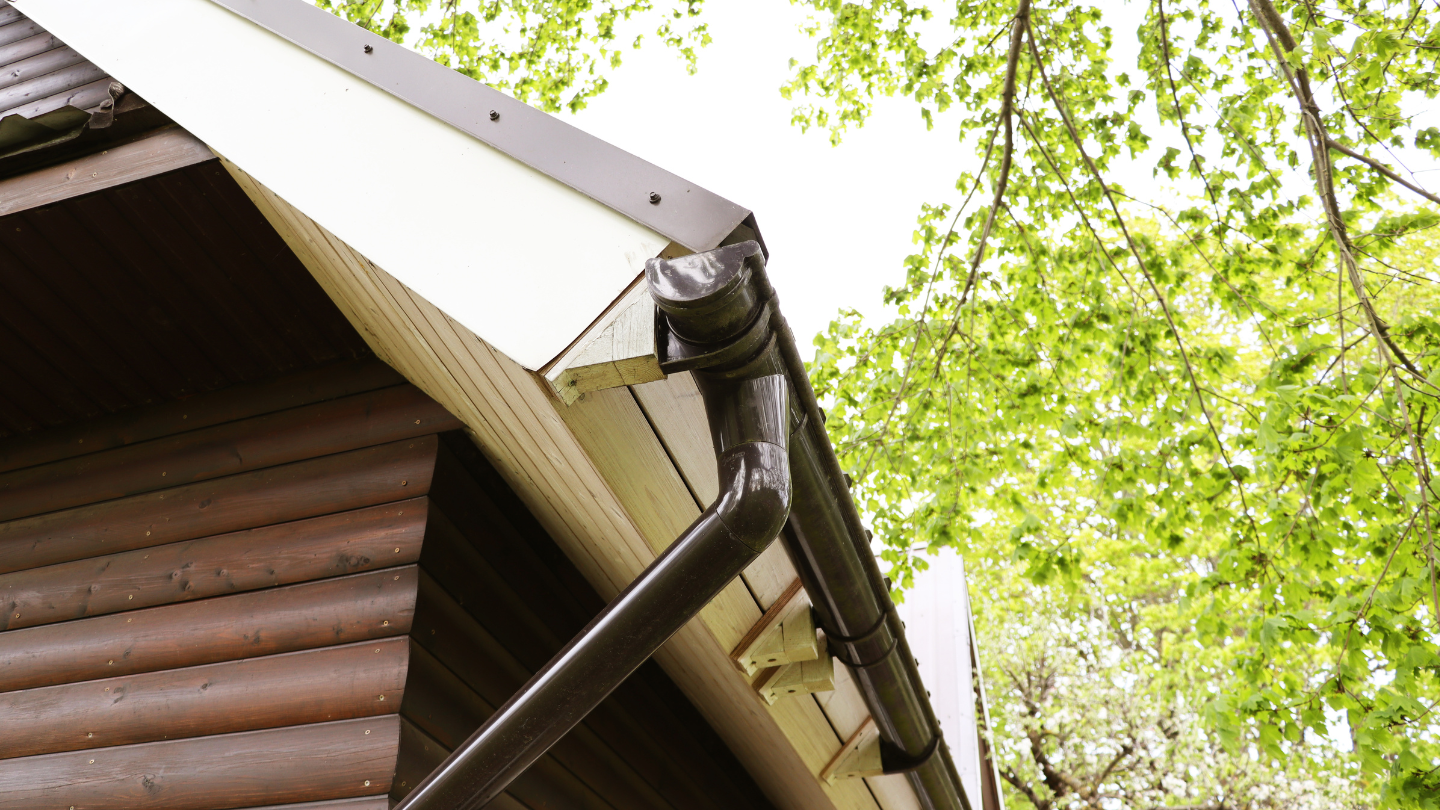
Bristol is a city of Victorian and Georgian streets. Walk through Clifton, Redland, Bishopston, Montpelier or Totterdown and you're looking at rows of period terraces, most of them originally fitted with heavy cast iron gutters and downpipes. Fast forward a century and a bit, and a lot of those homeowners face the same decision: the old cast iron has finally rusted through, so do you pay to put cast iron back, or fit modern uPVC and never think about it again? It's not a simple "one is better" answer - it comes down to your house, your street, and in a fair few Bristol postcodes, what the council will let you do. Here's the honest comparison from someone who fits both.
Why Guttering Matters More Than People Think
Gutters are the least glamorous part of a house and the easiest to ignore, right up until they fail. Their whole job is to catch the water running off your roof and take it safely away from the walls and foundations. When they overflow, leak or come away, that water ends up soaking into the brickwork, and Bristol's older houses - solid walls, no cavity, often lime mortar - are exactly the kind that suffer from persistent damp when rainwater isn't being carried away properly.
So before you even get to cast iron versus uPVC, the real point is that whatever you fit needs to work: sized right, laid to the correct fall, and properly fixed. A cheap job in either material that overflows every downpour will do more harm than good. If you want the wider picture on rainwater systems, our guide to gutters and downpipes in Bristol covers how the whole system fits together.
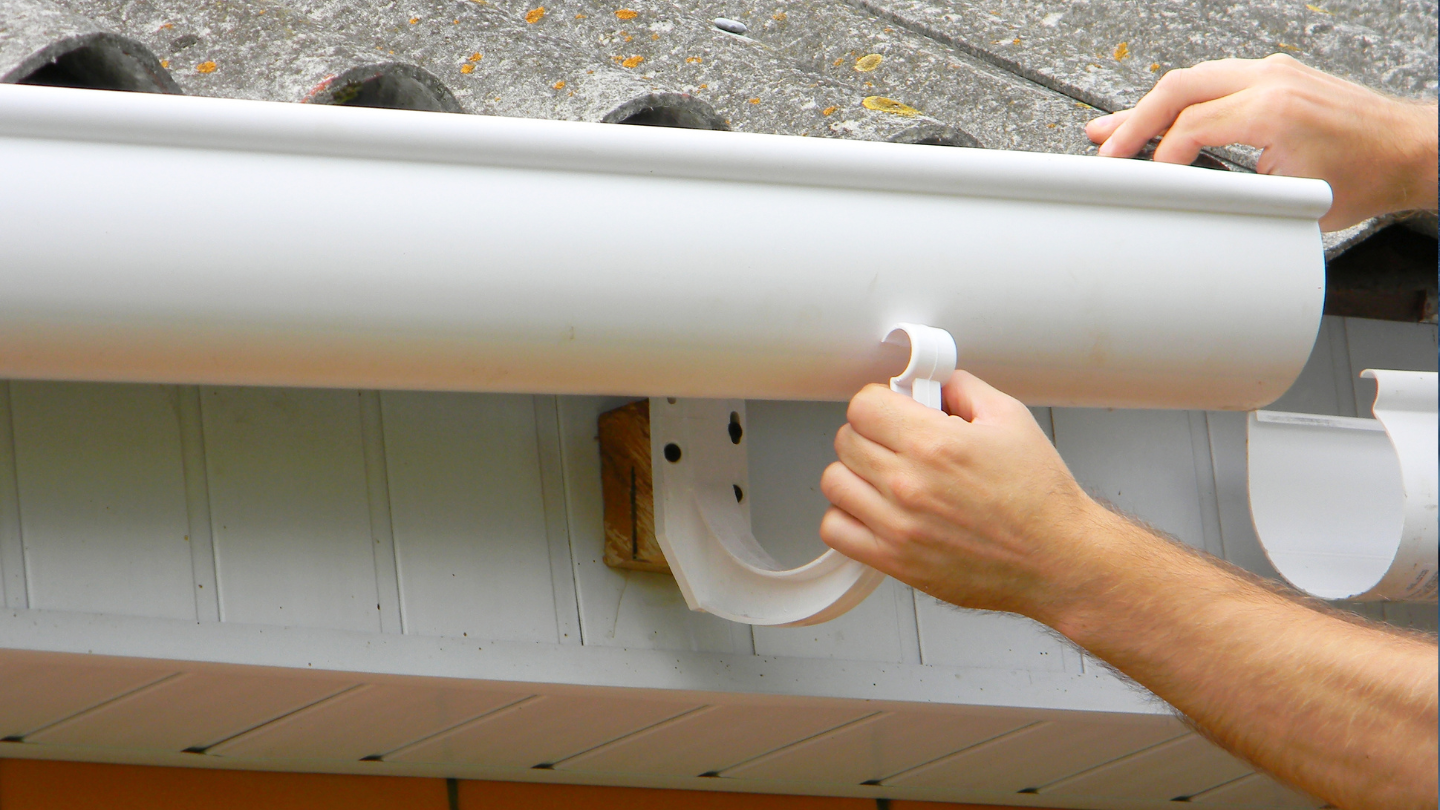
Gutters exist to keep rainwater off the walls. On Bristol's solid-walled period houses, gutters that overflow are a fast route to damp brickwork.
Cast Iron: The Original, and Why It Endures
Cast iron is what most of Bristol's period homes were built with, and there's a reason so much of it is still up there. It's tough, rigid, and it looks the part - that deep, substantial profile sits right on a Victorian frontage in a way plastic never quite manages. Fitted and looked after, cast iron can last fifty years and more, which is why you still see original runs on terraces well over a hundred years old.
The trade-off is maintenance. Cast iron rusts, so it needs repainting every few years to keep the weather out, and if a section does corrode through or a joint fails it's heavy, awkward work to repair up a ladder. It also costs a lot more than plastic, both to buy and to fit, because it's heavier, slower to handle, and a job best done by someone who knows how to seal the joints properly.
For a lot of Bristol homeowners with a handsome period house, that cost and upkeep is worth it - the gutters match the building, they last for decades, and they hold the property's character. There's also a modern middle path: cast-iron-effect aluminium, which gives the same deep traditional look with far less maintenance and no rust, and it's increasingly what people choose when they want the appearance without the repainting.
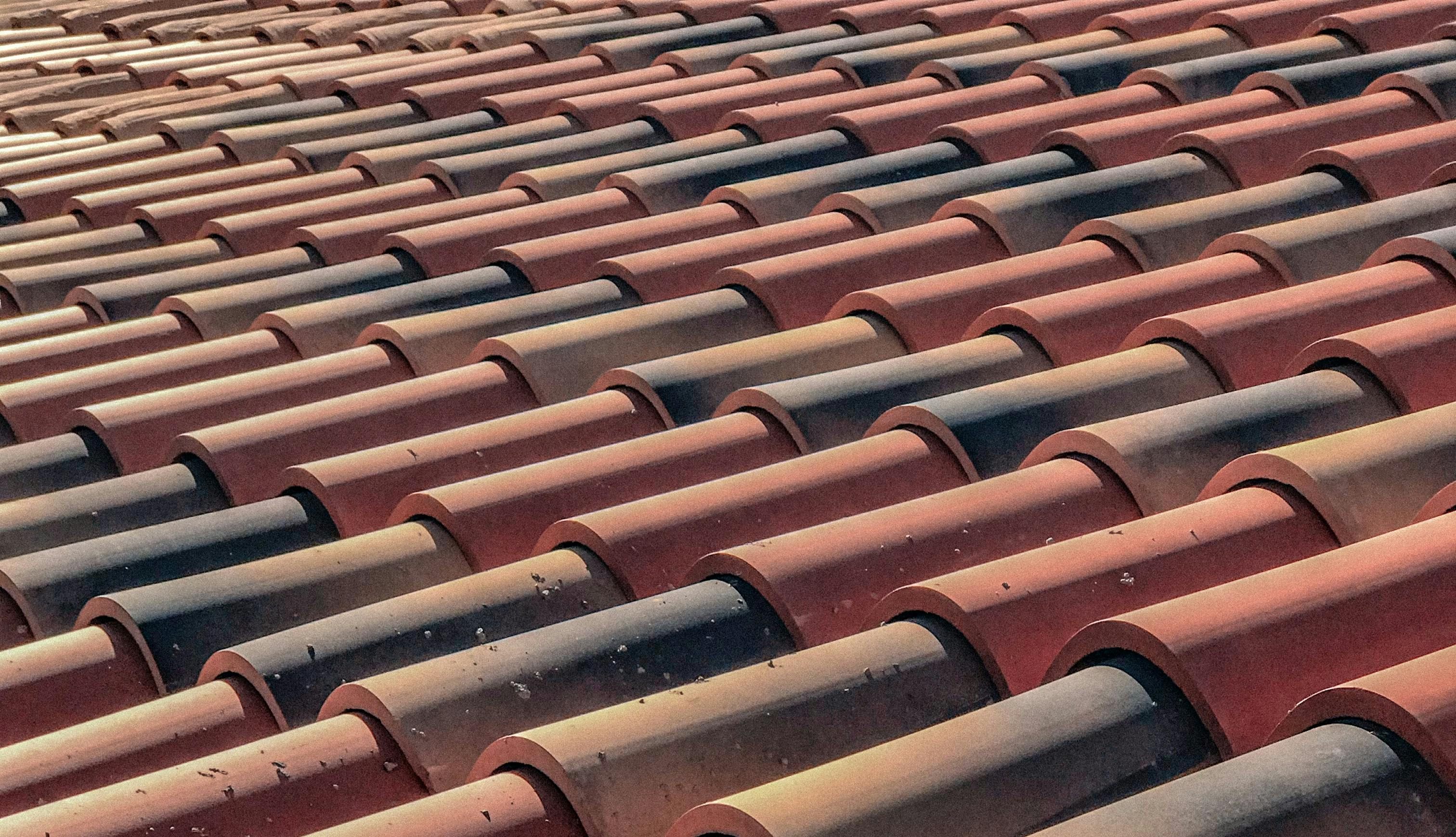
Cast iron looks right on a period frontage and lasts for decades - but it rusts, so it needs repainting every few years to keep it sound.
uPVC: Cheap, Light and Low-Maintenance
uPVC took over the market for good reasons. It's a fraction of the price of cast iron, it's light enough to fit quickly and safely, and once it's up it asks almost nothing of you beyond clearing the leaves out. It won't rust, and it comes in black, white, grey and brown to suit most houses. For a large chunk of Bristol's housing - postwar semis, 1930s houses, new-builds, and plenty of terraces that aren't in conservation areas - it's a sensible, cost-effective choice.
Its weaknesses show up over time. uPVC has a shorter life than cast iron, typically around 25 to 35 years, and the sun's UV gradually makes it brittle and fades the colour, especially white, which can go chalky and yellow. The clip-together joints can work loose or leak as the plastic expands and contracts through Bristol's temperature swings. And aesthetically, there's no getting around it - a plastic gutter on a grand Victorian house looks like exactly what it is, and buyers of period homes notice.
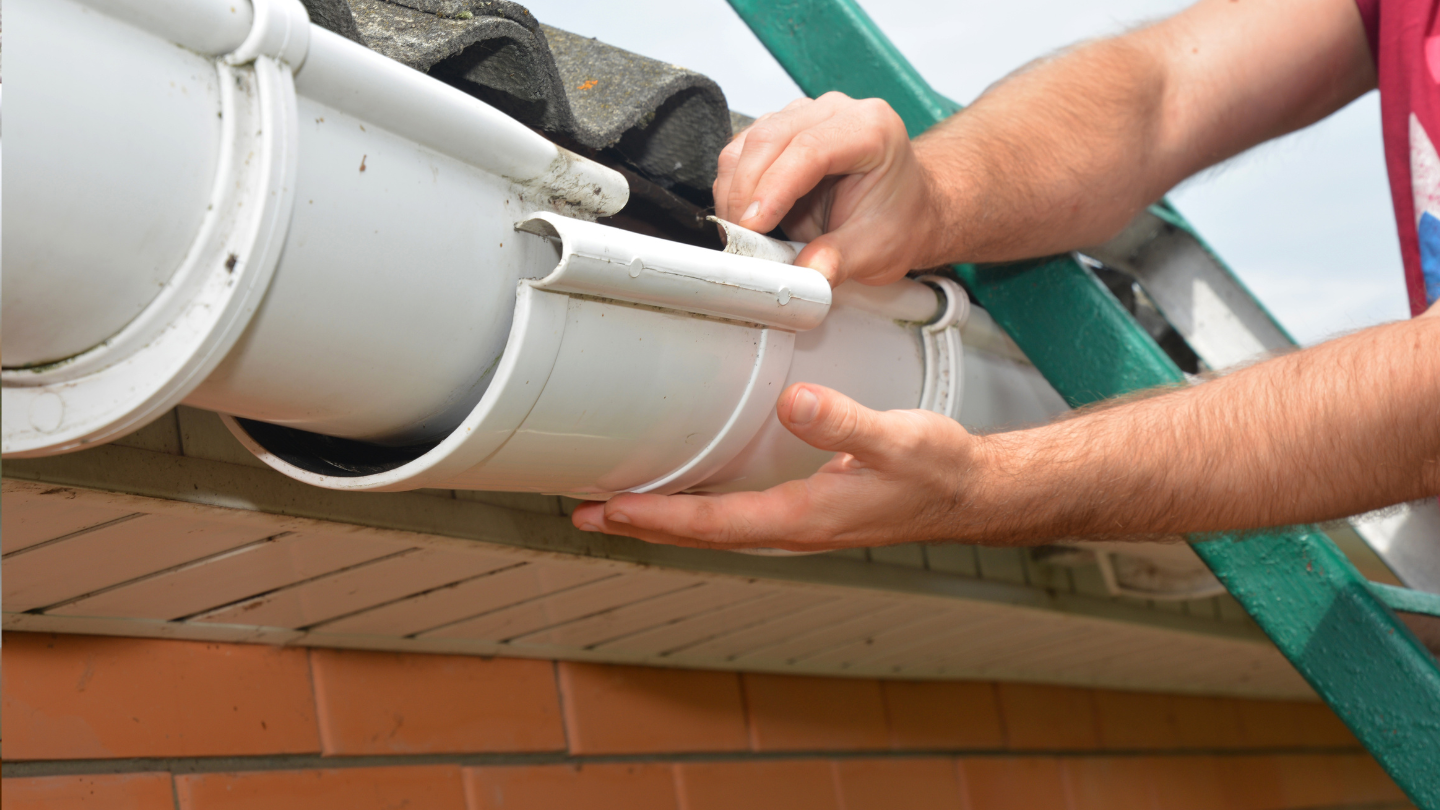
uPVC is cheap, light and low-maintenance - a sensible choice on a modern Bristol house, less so on a period frontage where it looks out of place.
The Bit Everyone Forgets: Conservation Areas
This is where Bristol homeowners get caught out. Bristol has 33 conservation areas, covering huge swathes of the period housing people most want to improve - Clifton, Redland, Cotham, Montpelier, Kingsdown and many more. In a conservation area, the council can and does care about details like rainwater goods, because original cast iron contributes to the character of the street the designation is meant to protect.
In practice that means you may not be free to simply rip out cast iron and bolt up white plastic. On an unlisted house in a conservation area, changing the material can be restricted, and on a listed building it's stricter again - swapping cast iron for uPVC would normally need listed building consent and is often refused outright. Before you commit to a material change on a period property, it's genuinely worth a quick check with Bristol City Council's conservation areas guidance, and the general rules are set out on the GOV.UK planning permission pages. Fitting the wrong thing and being told to take it back down is an expensive mistake we've seen more than once.
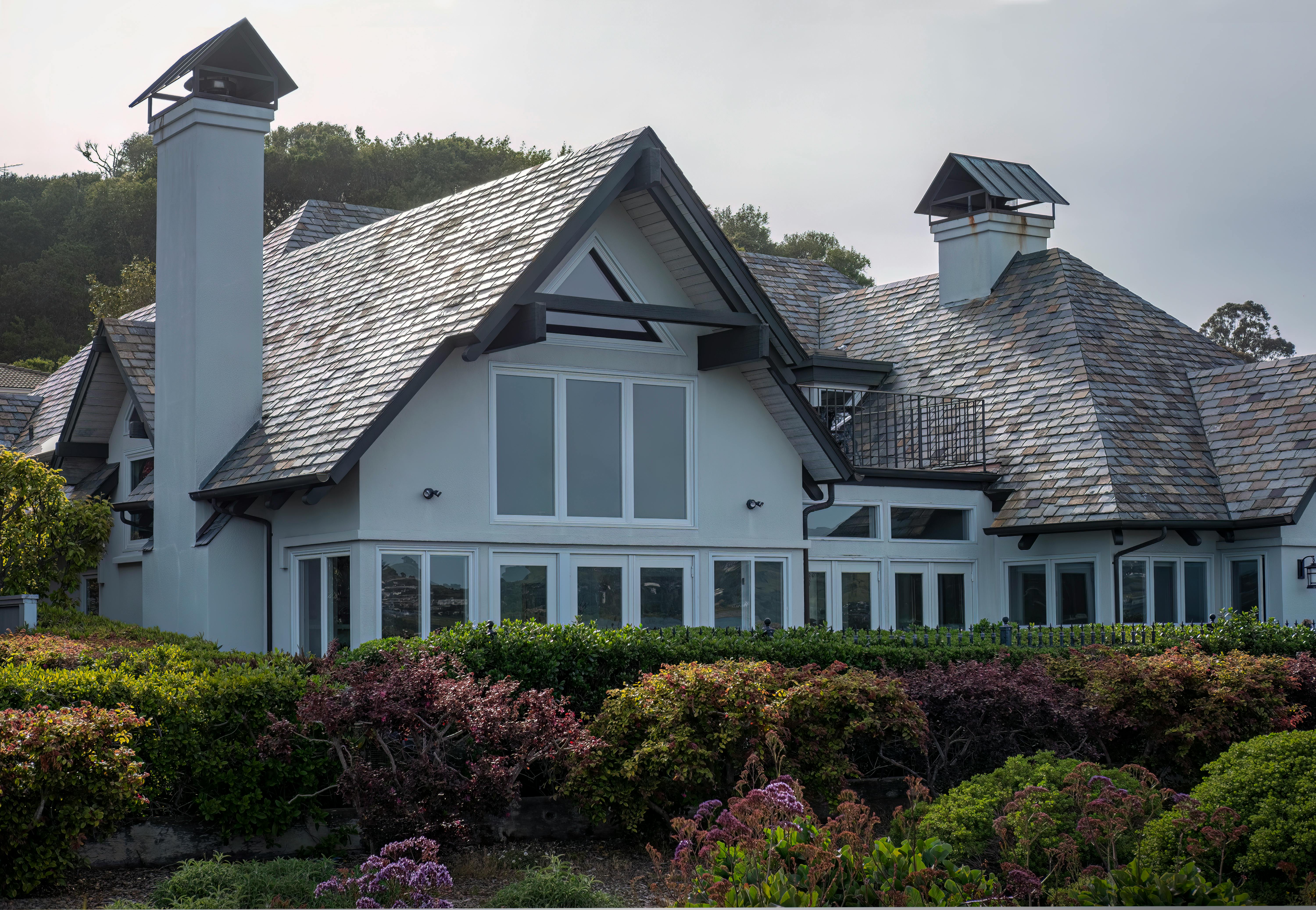
Much of Clifton, Redland and Cotham sits in one of Bristol's 33 conservation areas, where the council may require original cast iron to be kept or matched.
What It Costs in Bristol
Money usually comes into it, so here are rough guide figures for a typical Bristol terrace in 2026. These vary with the size of the house, access, and how much downpipe is involved, but they give you the shape of the decision:
- uPVC gutters and downpipes: roughly £8 - £20 per metre supplied, with a full replacement on a mid-terrace often landing somewhere around £500 - £1,200 fitted.
- Cast-iron-effect aluminium: a step up, commonly £30 - £50 per metre, giving the traditional look with low upkeep.
- Genuine cast iron: the premium option, often £50 - £90 per metre and up once fitting and painting are included, so a full run can be several times the cost of uPVC.
Access is a big hidden variable on Bristol's tall three-storey terraces and the steep streets of Totterdown or Cliftonwood, where scaffolding may be needed rather than ladders, and that adds to any of the above. The right call is often a blend - cast iron or the aluminium lookalike on the front where it's seen, uPVC round the back where it isn't and nobody's checking. A good installer will suggest that rather than pushing the dearest option everywhere.
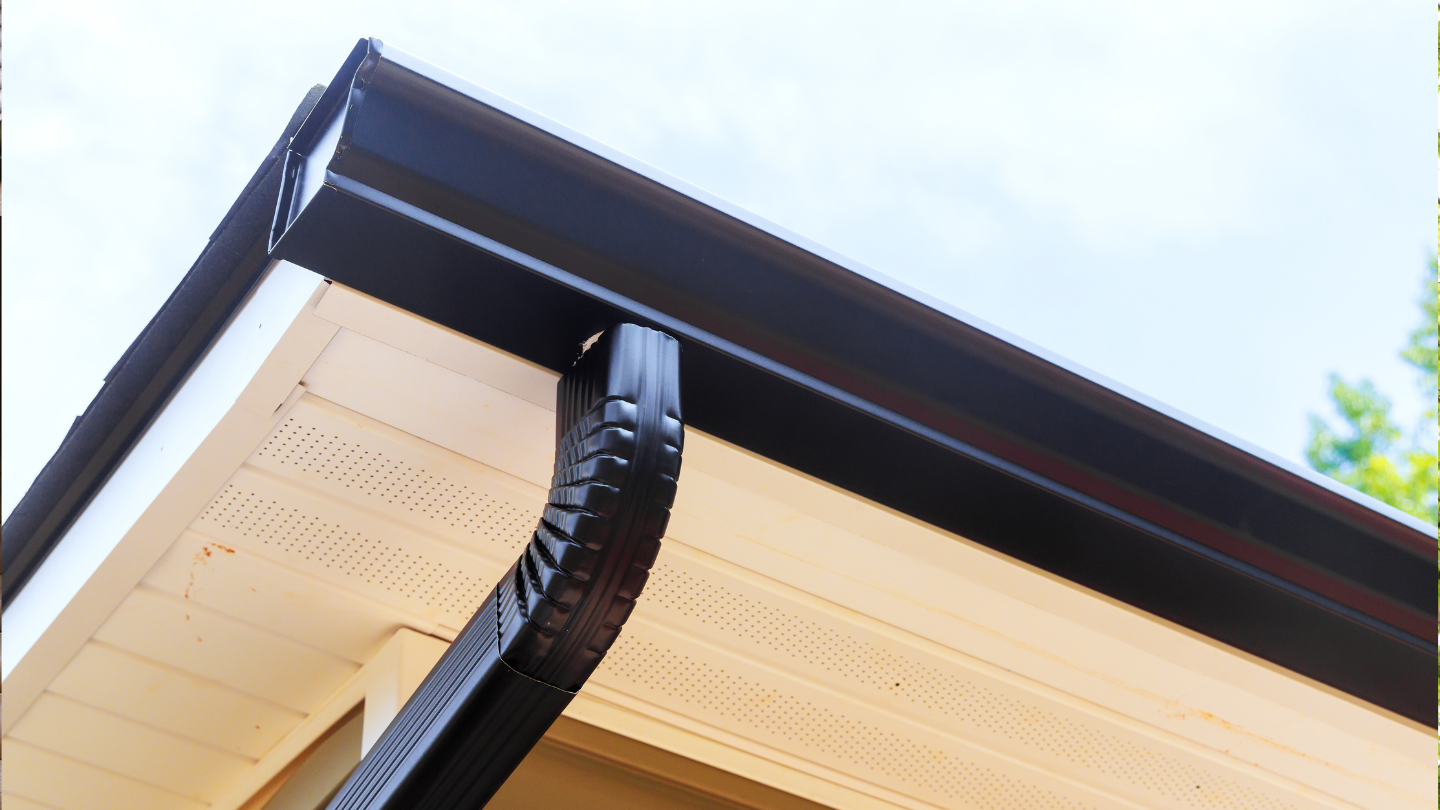
A common-sense approach: traditional gutters on the front where they're seen, uPVC round the back where they're not - it balances looks against cost.
Bristol Weather and Keeping Gutters Working
Whatever you fit, Bristol's climate gives gutters a hard time. The city is mild and wet, with well over 800mm of rain a year spread across a lot of grey days, and that damp encourages moss and algae on roofs and in gutters. Moss washes off the roof and collects in the gutter, leaves drop in through autumn, and before long the water can't get to the downpipe and it overflows down the wall.
That's true of cast iron and uPVC alike - neither is self-cleaning. A clear-out once or twice a year, especially after autumn, is the single best thing you can do to keep any gutter working and to spot small problems before they become leaks. Overflowing gutters are one of the most common causes of the damp and green staining you see creeping down Bristol house walls. If yours overflow every downpour, it's worth reading our guide to moss and algae roof cleaning in Bristol, since the two problems usually go together.
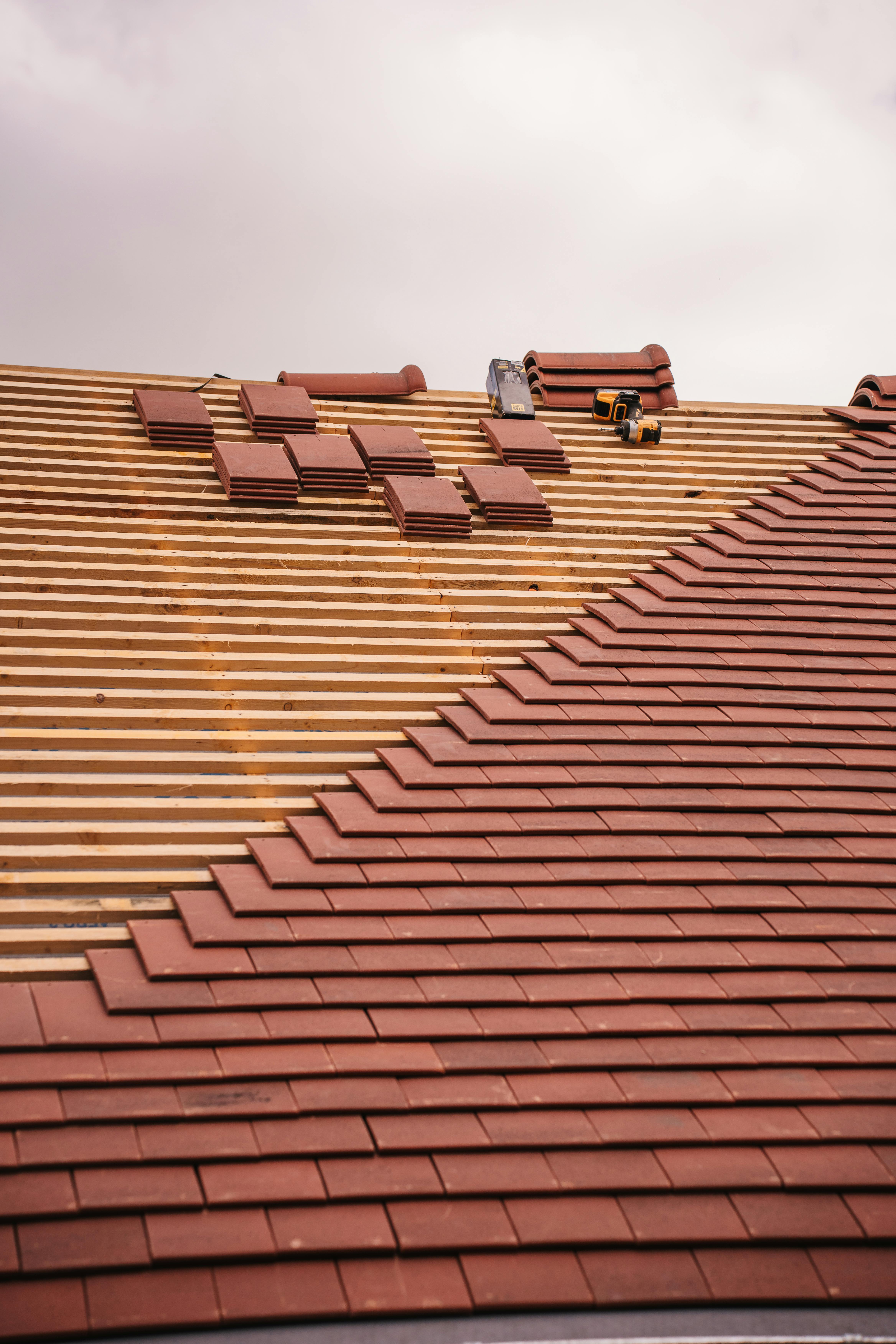
Bristol's mild, wet climate breeds moss that clogs gutters - a clear-out once or twice a year keeps cast iron and uPVC alike doing their job.
Getting It Fitted Right
The material matters, but the fitting matters just as much. Gutters have to be hung to a slight, consistent fall so the water actually runs to the downpipe rather than sitting in the middle and overflowing. On cast iron the joints need bedding and sealing properly, or they weep. On uPVC the brackets need to be spaced correctly and the expansion gaps left, or it sags and pops apart in a cold snap. And the fascias and boards the gutters hang off need to be sound in the first place - there's no point bolting new gutters to rotten timber.
That's why guttering is best treated as part of the roofline as a whole. If yours is being replaced, it's the ideal moment to check the fascias, soffits and bargeboards behind it, which our guide to fascias, soffits and bargeboards in Bristol goes into. When choosing who does the work, look for an established local firm - the Federation of Master Builders lets you check a builder is properly vetted. Our gutter installation service covers cast iron, aluminium and uPVC across Bristol, and we'll give you an honest steer on what suits your house and your street.
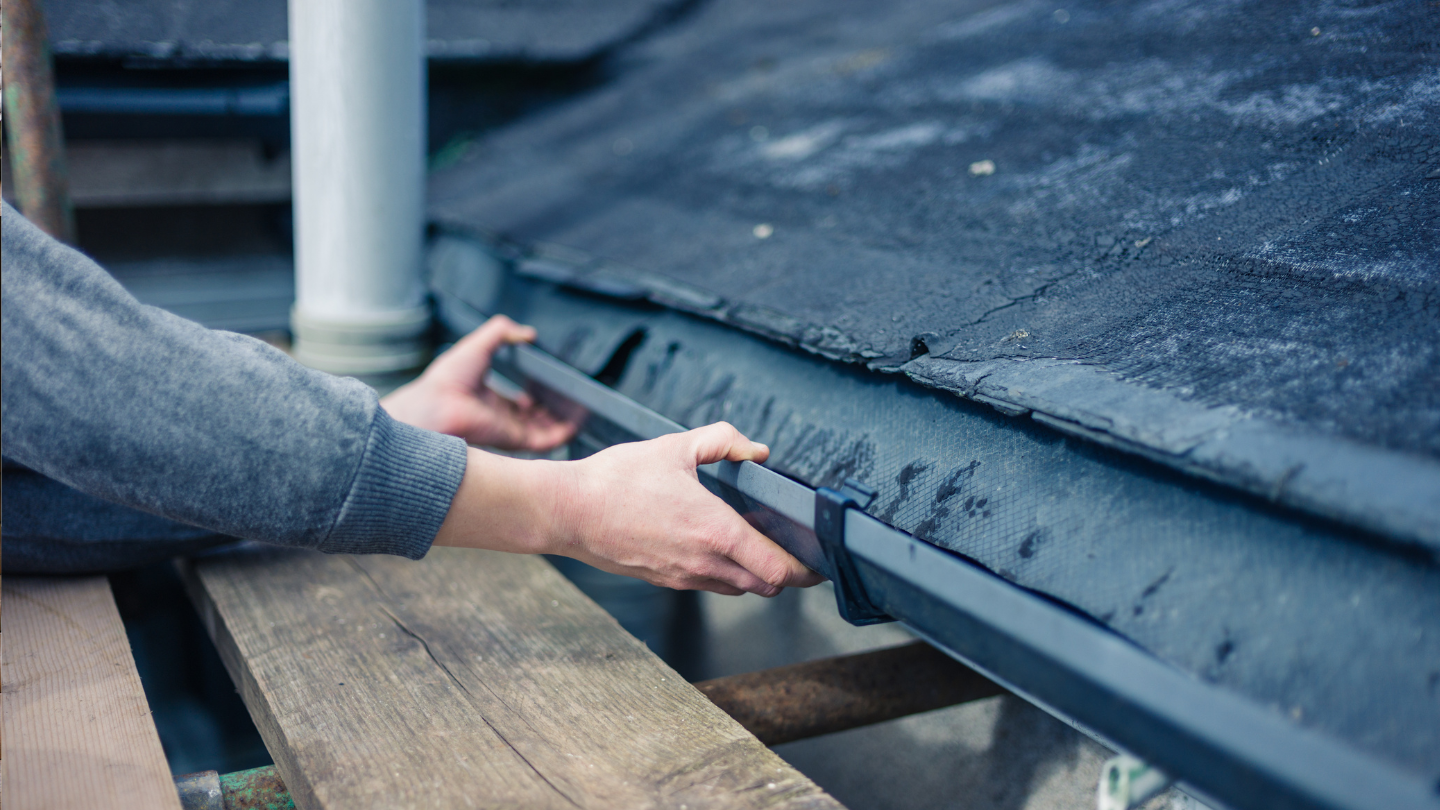
Whichever material you pick, it only works if it's hung to the right fall, sealed properly, and fixed to sound fascia boards behind it.
Frequently Asked Questions
Time to replace tired gutters?
We fit cast iron, cast-iron-effect aluminium and uPVC guttering across Bristol, and we know the conservation area rules street by street. Book a free, no-obligation assessment and we'll tell you honestly what suits your house, what the council will allow, and what it'll cost.
Book a Free Assessment