Anyone who's lived in Bristol knows the sound: the dawn shriek of gulls from the rooftops, usually starting at about 4am in early summer. The city's urban gull population is famous, and for a lot of homeowners the birds are more than a noisy nuisance - they do genuine, expensive damage to roofs. Add pigeons, squirrels and the odd wasp nest, and the roofline becomes a surprisingly busy place. This guide covers why Bristol roofs attract so much wildlife, the damage it does, the law you need to know before touching a nest, and how to protect your roof properly.
Why Bristol Roofs Are a Magnet for Gulls
Bristol has one of the best-known urban gull populations in the country, and it's not an accident. To a herring gull or a lesser black-backed gull, a city roof is close to perfect. It's high up and safe from foxes and cats, it's warm, and the flat sections, chimney stacks and valleys mimic the cliff ledges gulls nest on naturally. Throw in a city full of easy food, and you have ideal conditions.
Once a pair nests successfully on a roof, the problem compounds. Gulls are long-lived and loyal to a good site, so they return to the same roof year after year, and their offspring tend to set up nearby. That's why certain streets and certain roofs become gull hotspots - the birds have simply learned the neighbourhood works.
Gulls aren't the only ones. Pigeons roost and nest in the same spots, squirrels get into lofts through gaps at the eaves, and wasps and bees find their way into soffits and roof voids. But in Bristol, it's the gulls that dominate - in numbers, in noise, and in the damage they cause.
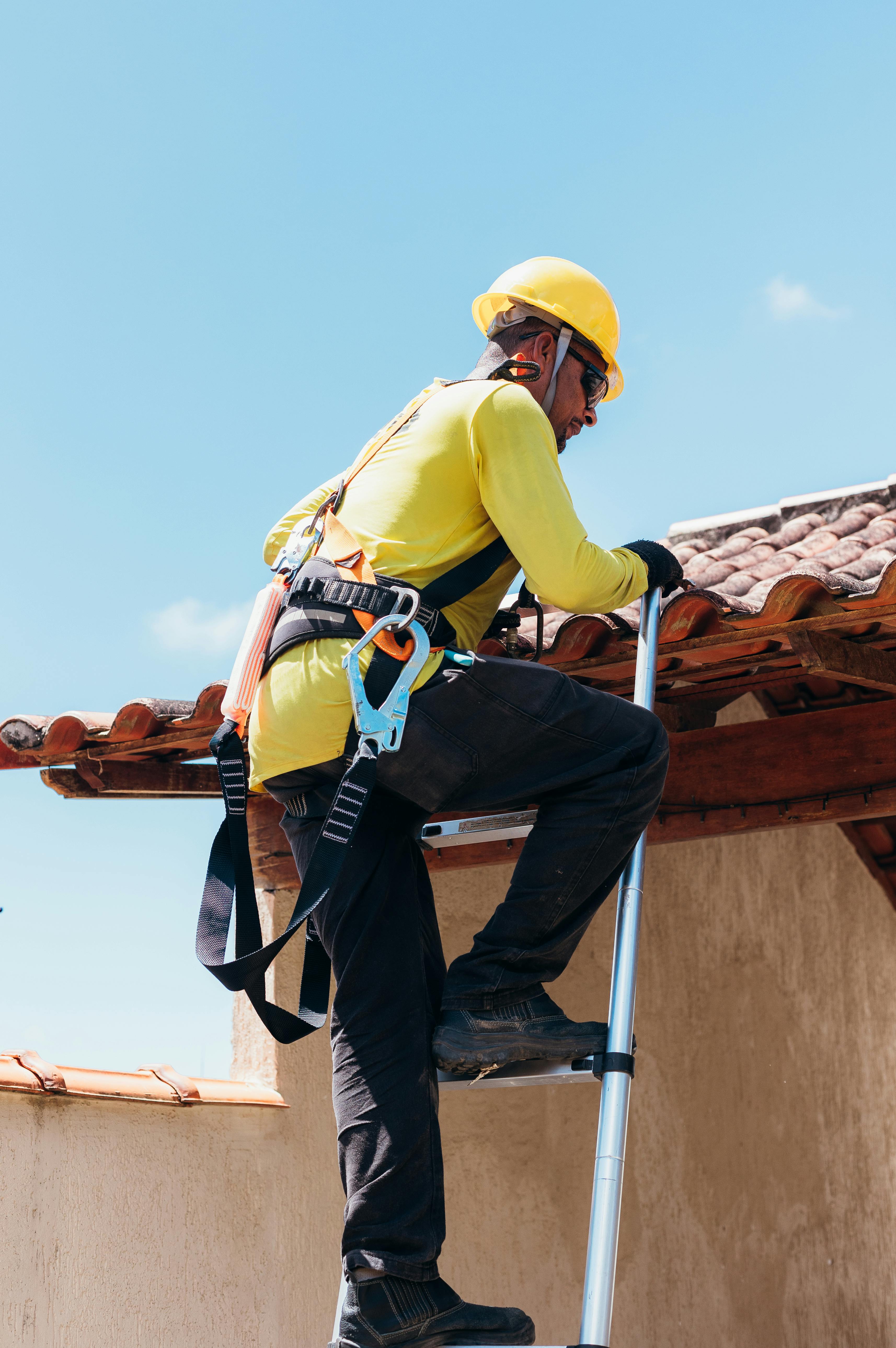
To a gull, a Bristol roof is a cliff ledge - high, warm and safe from predators. Chimney stacks, flat dormer tops and valleys are the favourite nesting spots.
The Damage Birds Actually Do
It's easy to write gulls off as just noisy. But the damage they and other roof pests cause is real, and it usually lands on your desk as a roofing problem rather than a bird one. Here's what actually happens up there:
- Blocked gutters and valleys. Gulls and pigeons build big, bulky nests out of twigs, grass and whatever else they find, and the material ends up washing into gutters, valleys and downpipes. Blocked drainage backs water up under the tiles, and this is one of the most common ways bird activity turns into an actual leak inside the house.
- Lifted and dislodged tiles. A determined gull nesting or a squirrel getting into a loft will lift and shift tiles and slates, opening gaps for water.
- Damaged flashing and felt. Birds peck at and lift lead flashing and roofing felt, particularly around chimneys and valleys where they like to nest.
- Corrosion from droppings. Bird droppings are acidic and, over time, corrode metalwork, coatings and even some roofing materials. A roof used as a regular roost gets a real coating of it.
- Blocked flues. Nests built in or on chimney pots can block flues, which is a safety issue as well as a roofing one.
The blocked-gutter problem is the one that catches most people out, because the damage - a damp patch inside - looks like a roof leak with no obvious cause. Our guide to gutters and downpipes in Bristol covers what blocked drainage leads to, and nesting material is a frequent culprit.
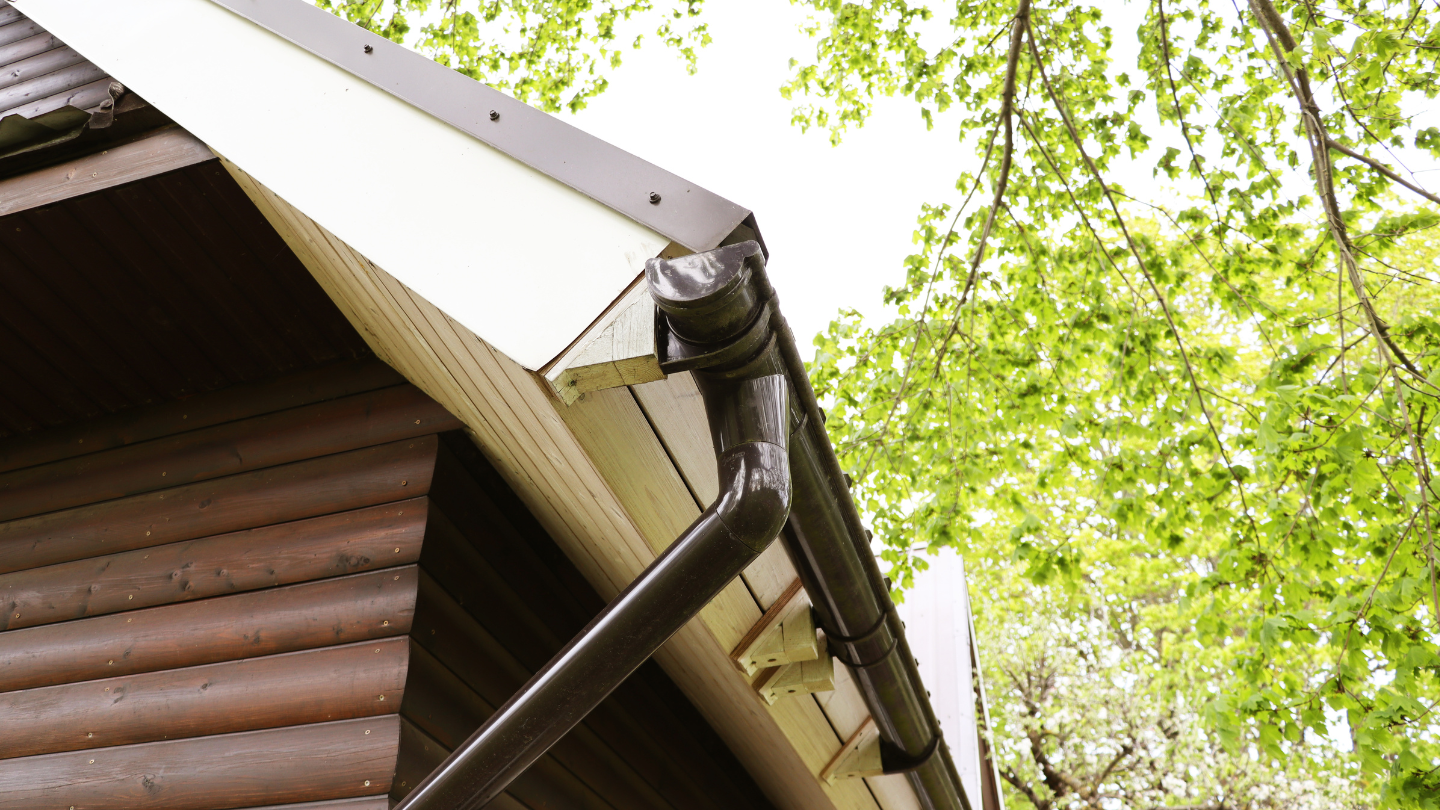
Bulky nests wash into gutters and valleys and dam the water - blocked drainage is the most common way bird activity turns into an actual leak inside.
Where They Get In
Pests and birds exploit the same weak points, and knowing where they are is half the battle. On a Bristol roof, the usual entry and nesting points are:
- Chimney stacks and pots: a favourite gull perch and nest site, and an open flue is an invitation for birds to drop in.
- Gaps under the eaves and in the soffits: where the roof meets the wall, any gap or rotted soffit is a way in for squirrels, birds and wasps. This ties in closely with the condition of your roofline, which we cover in our guide to fascias, soffits and bargeboards in Bristol.
- Valleys and flat dormer roofs: the flatter, sheltered spots gulls prefer for nesting.
- Under lifted or missing tiles: any existing gap gets found and used.
- Loft vents and broken airbricks: small openings that let small pests in.
The common thread is that a roof in good repair, with a sound roofline and no gaps, is far less attractive and accessible than one that's already tired. Keeping the roof and eaves in good order is the first line of defence against pests, before you even get to dedicated proofing.
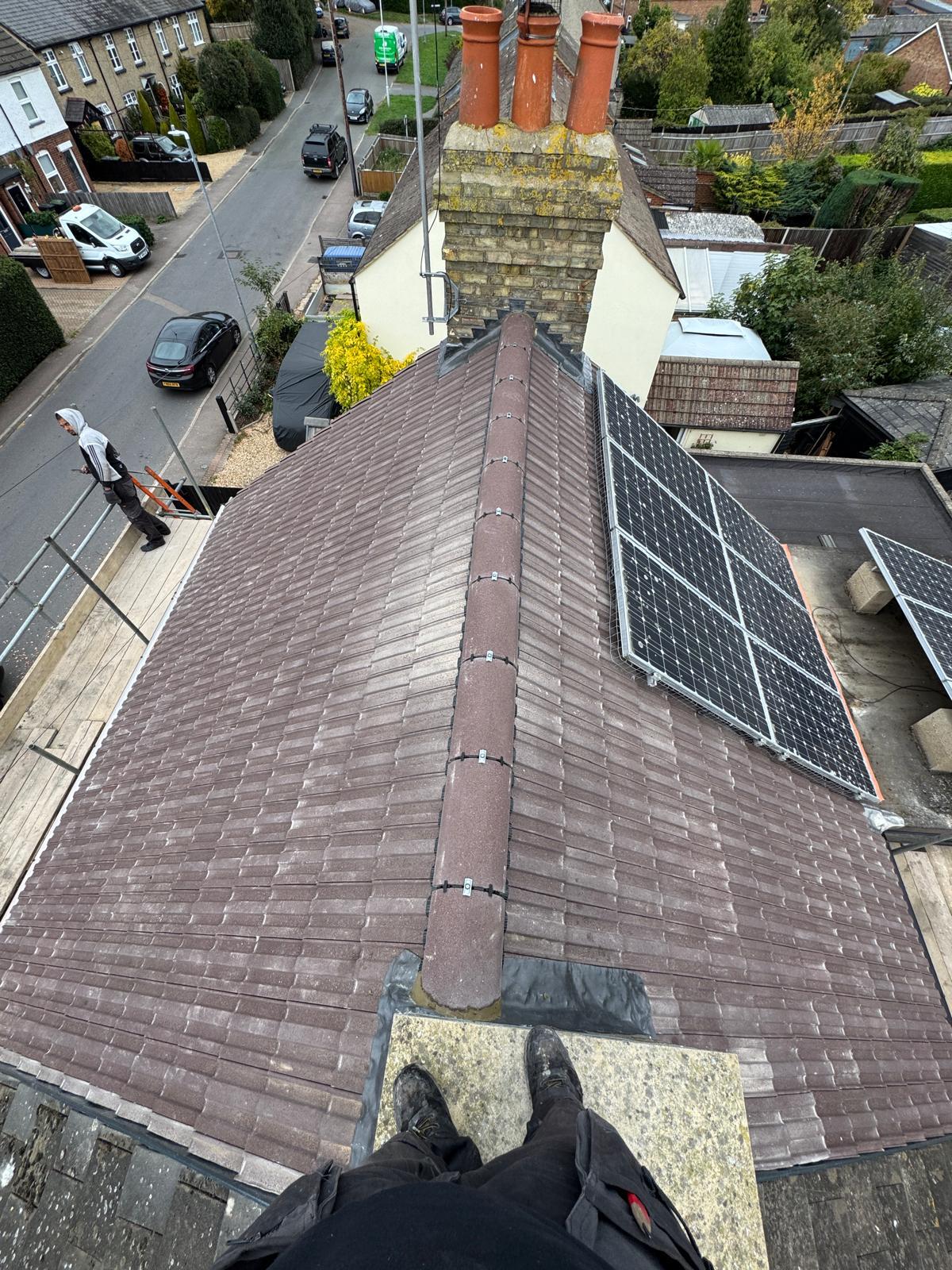
Chimney stacks, gaps under the eaves, valleys and lifted tiles are the usual way in - a roof in good repair with no gaps is far less attractive to pests.
The Law: You Can't Just Remove a Nest
This is the part that catches people out, so let's be clear about it. You can't simply pull off an active bird nest whenever you fancy. Under the Wildlife and Countryside Act, it's illegal to intentionally take, damage or destroy the nest of most wild birds - gulls and pigeons included - while it's being built or is in use.
In practice, that means once a gull has started nesting on your roof in spring or summer, your options are limited until the chicks have fledged and the nest is no longer active. You can't have it cleared just because it's noisy or messy. The RSPB has clear guidance on the legal protection wild birds have, and it's worth reading before you or anyone else touches a nest.
The practical upshot is all about timing. The time to bird-proof a roof is outside the nesting season - autumn and winter - before the birds return and settle, not once eggs or chicks are present. Get the proofing done early, and you stop the nest before it becomes a protected one. Bristol City Council also publishes information on the city's gulls and what residents can and can't do; you can find it at bristol.gov.uk.
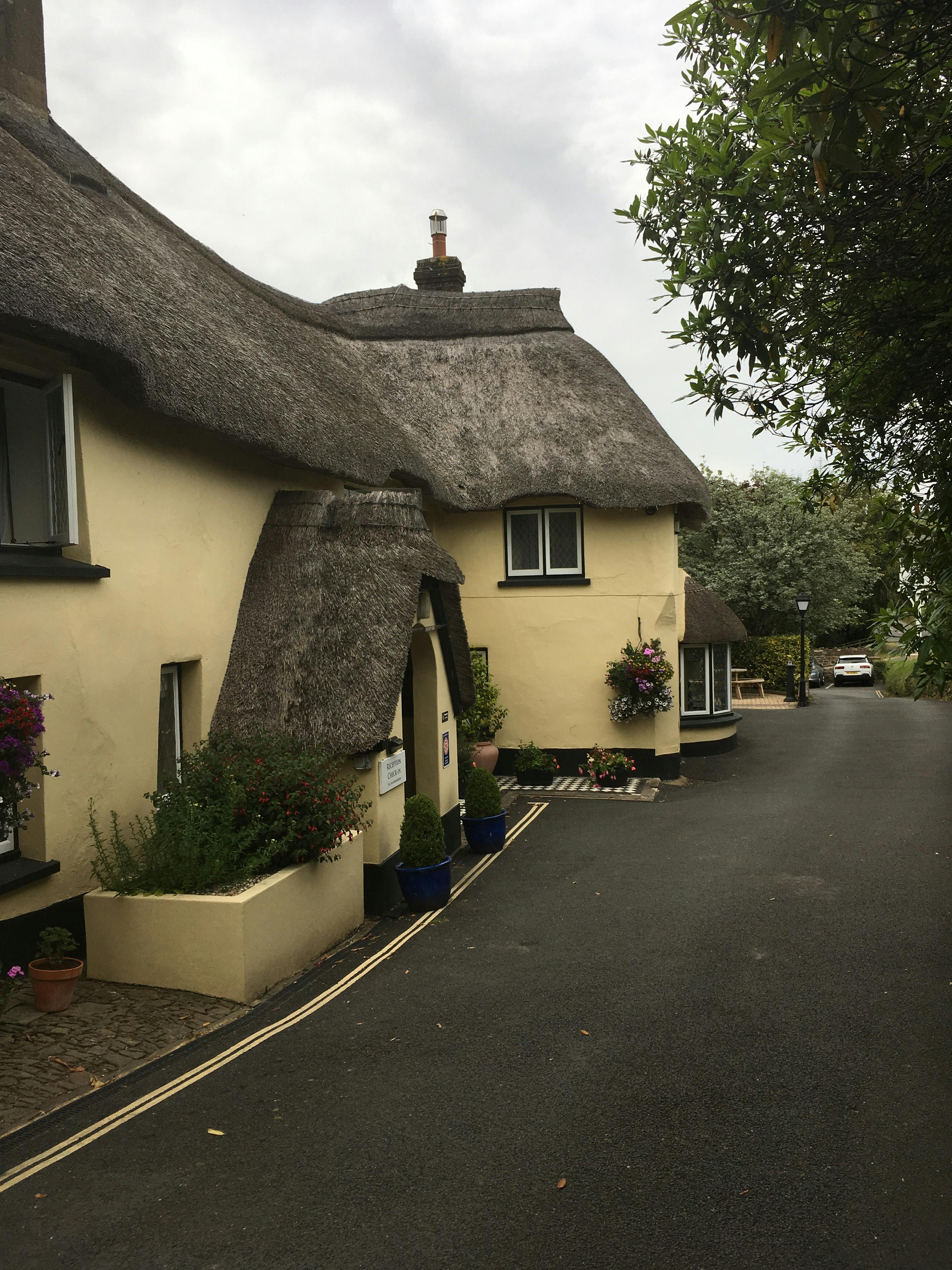
Active nests are protected by law during the season - so the time to bird-proof is autumn and winter, before the gulls return and settle for spring.
How to Protect Your Roof from Pests
Effective proofing is about making the roof unattractive and inaccessible before the birds and pests arrive, using physical measures rather than gimmicks. The methods that actually work:
- Spikes and wire on perching and nesting spots. Discreet spike strips or tensioned wire fitted to chimney stacks, ridges and favourite ledges stop gulls and pigeons landing and settling.
- Chimney cowls and cages. A cowl or cage over the pot keeps birds out of the flue while still letting it breathe - the same fitting that helps with a redundant chimney, covered in our guide to chimney repairs and repointing in Bristol.
- Sealing eaves and soffit gaps. Closing the gaps under the eaves and repairing rotted soffits shuts out squirrels, birds and wasps - a roofline job as much as a pest one.
- Keeping gutters and valleys clear. Regular clearing stops nesting material building up and gives birds less to work with.
- Keeping the roof in good repair. No lifted tiles, no gaps, a sound roofline - a well-maintained roof simply offers fewer opportunities.
What we'd steer you away from are the gimmicks - plastic owls, reflective tape, gel deterrents. Gulls in particular are intelligent and quickly learn to ignore them. Physical proofing, done properly and at the right time of year, is what lasts. Our roof repair service covers the roofing side of proofing - the flashing, the eaves, the ridges and the gutters - and we work alongside specialist pest controllers where dedicated bird control is needed.
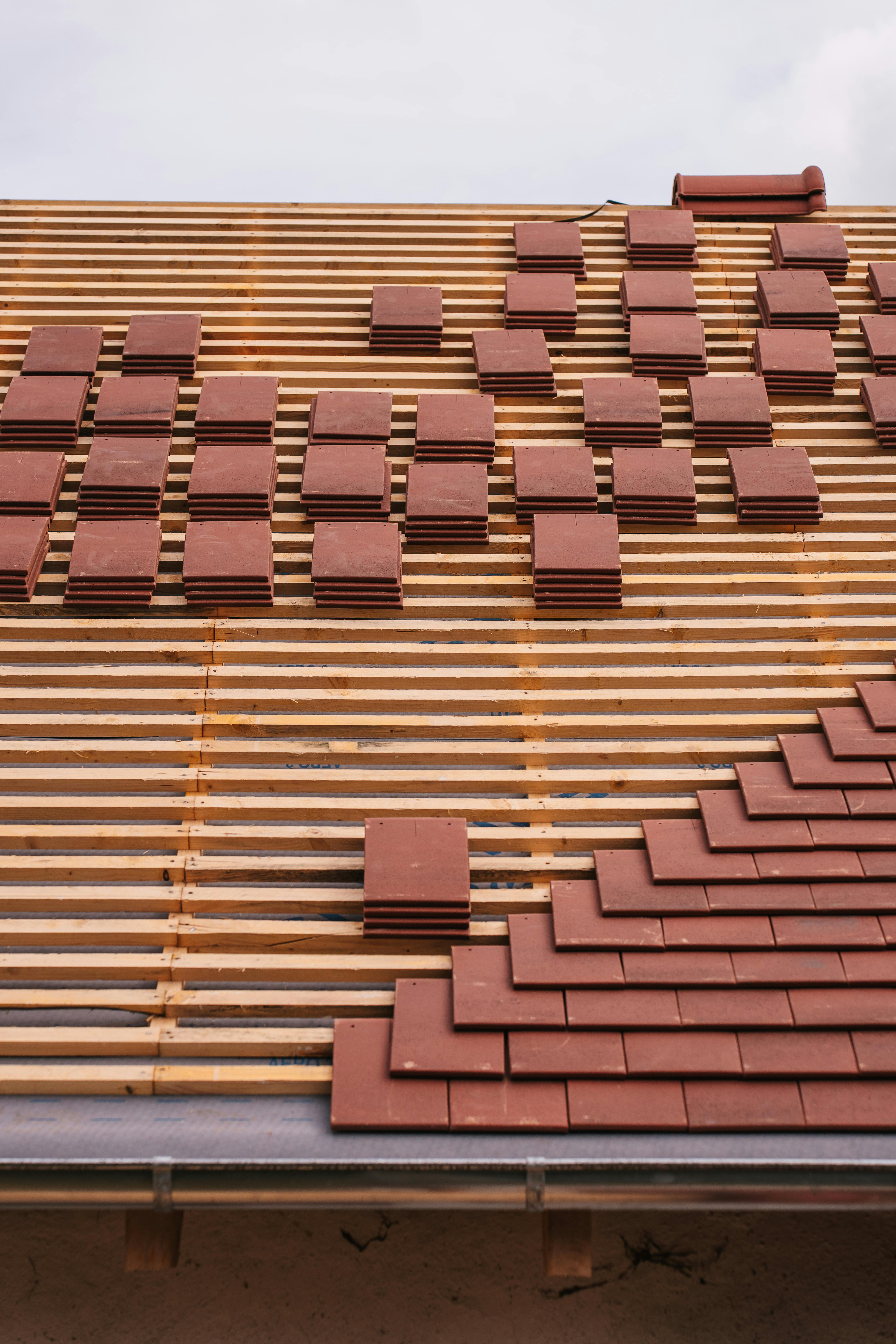
Physical proofing - spikes, cowls, sealed eaves and clear gutters - is what works. Gulls quickly learn to ignore plastic owls and reflective tape.
Cleaning Up and Repairing the Damage
Once the birds are gone and the roof is proofed, there's usually damage to put right - and mess to clear. Old nests need removing from gutters, valleys and behind chimneys (once it's legal to do so), droppings need cleaning off, and any tiles, flashing or felt the birds have lifted or damaged need repairing.
It's worth doing this properly rather than just clearing the visible mess. A season or two of a gull colony can leave lifted flashings and dislodged tiles that will let water in even after the birds have gone, and droppings left on metalwork keep corroding it. This is the point where a roofer earns their keep - fixing the actual roof damage, not just sweeping up. If the birds have blocked drainage long enough to cause a leak, our guide to lead flashing repairs in Bristol covers one of the common repair points around chimneys and valleys where they nest.
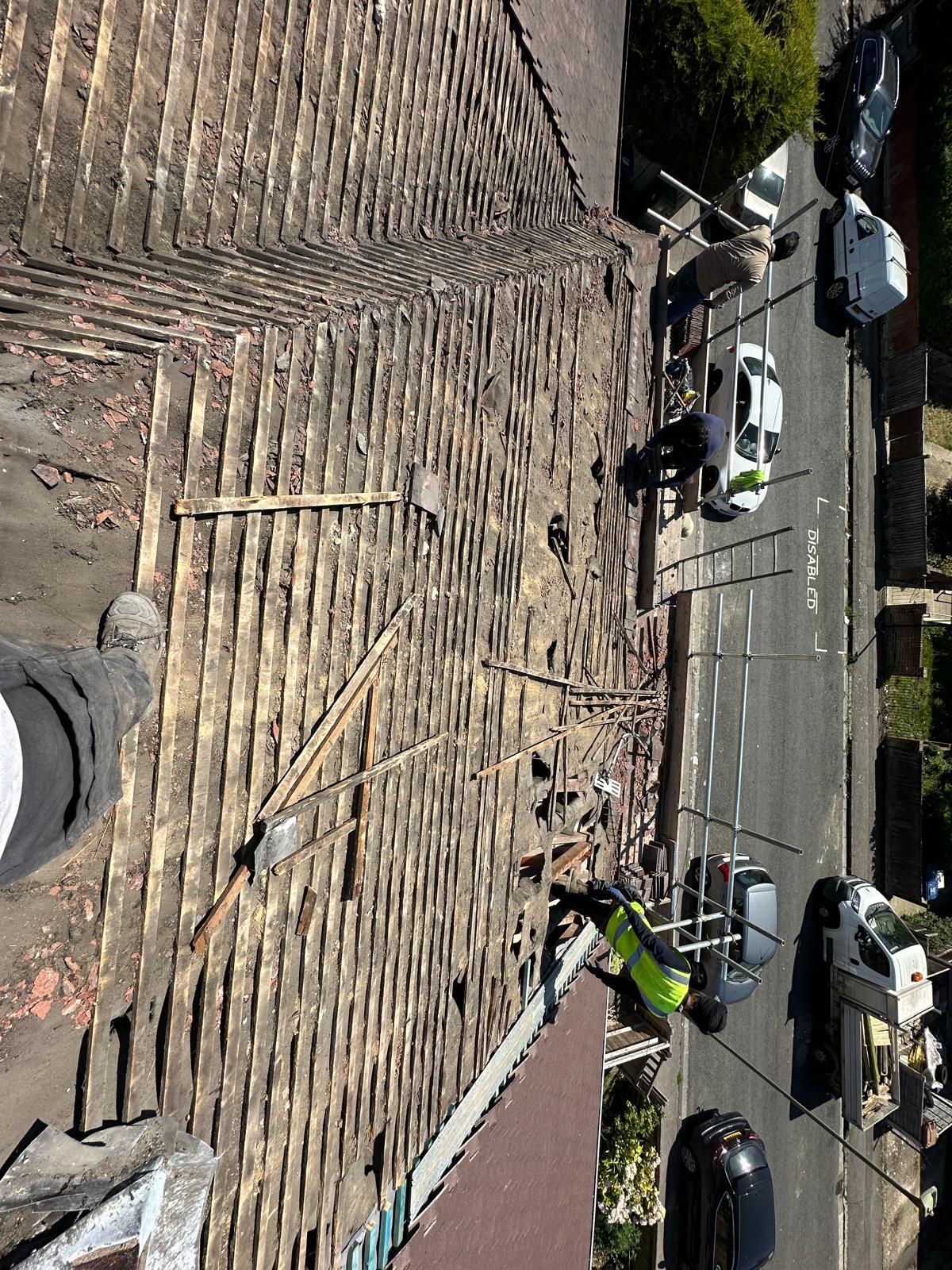
After a gull colony, lifted flashings and dislodged tiles let water in even once the birds have gone - clearing the mess isn't enough on its own, the roof damage needs fixing too.
When to Act
The single most useful thing to take from all this is about timing. If gulls or pigeons are already nesting on your roof, you're largely stuck until the season ends, both legally and practically. But that's exactly the moment to plan ahead.
Get the roof inspected and proofed in autumn or winter, once any nests are finished and before the birds return in spring. That's when you can legally clear old nests, repair the damage, seal the gaps and fit the spikes and cowls that stop it happening again - all before the next breeding season. Leave it until spring and you'll be back to watching a protected nest you can't touch. When choosing anyone for the roofing side, the National Federation of Roofing Contractors and the TrustMark scheme let you check they're properly vetted.
Plan around the calendar: inspect, clear, repair and proof in autumn or winter, before the gulls return in spring and the nests become protected again.
Frequently Asked Questions
Gulls or pests damaging your roof?
We handle the roofing side of bird and pest damage across Bristol - clearing blocked gutters and valleys, repairing lifted tiles and flashing, sealing eaves gaps, and fitting cowls and proofing to keep them out. Book a free, no-obligation assessment, ideally before the next nesting season.
Book a Free Assessment